Iran Conflict Fuels Global Energy Shift, Bolstering China's Clean Tech Dominance
The ongoing war in Iran is intensifying a global energy crisis, sharply highlighting the fragility of fossil fuel systems and, in turn, strengthening China's commanding position in the clean technology sector. As oil disruptions ripple through markets, nations worldwide are scrambling to secure alternatives, accelerating a pivot toward renewable energy sources and low-emission technologies—industries where China holds a formidable lead.
Asia Bears the Brunt, China Stands to Gain
Most of the oil and gas shipments from the now largely closed Strait of Hormuz were destined for Asian markets. Consequently, Asian nations are urgently implementing energy conservation measures and attempting to bolster rapidly depleting reserves. While a temporary ceasefire remains precarious, gasoline prices in the United States and Europe have experienced significant spikes, adding to economic pressures.
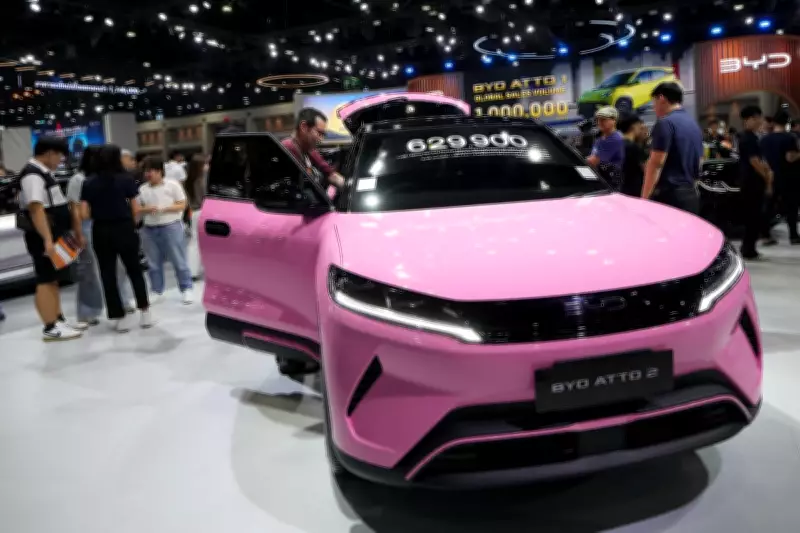
Despite being the largest purchaser of Iranian oil, China is uniquely positioned to benefit from these widespread fossil fuel disruptions. The country dominates global exports in batteries, solar panels, and electric vehicles. Industry forecasts predict a substantial rise in international demand for these renewable products as the crisis persists.

Dueling Energy Visions Come to a Head
Long before the Iran conflict began in late February 2026, China was steadily extending its lead in clean technologies. This progress contrasted sharply with the energy strategy of the United States under President Donald Trump, which scaled back renewable initiatives in favor of leveraging vast domestic oil and gas resources to pursue "energy dominance" through exports.
"China’s approach to energy sector development and geopolitics has been completely validated by the Iran conflict," stated Sam Reynolds, an analyst with the U.S.-based Institute for Energy Economics and Financial Analysis.
Over a decade ago, Chinese President Xi Jinping formally linked energy security with national security, prompting a heightened focus on renewable investment, even as fossil fuels continue to dominate China's domestic energy mix. According to the International Energy Agency, China currently manufactures over 70% of the world's electric vehicles and approximately 85% of global battery cell production.
Investors Bet on Renewable Growth Surge
The war is directly driving increased demand for Chinese technology. Exports of items like solar panels, batteries, and electric cars reached a record high of nearly $22.3 billion in December, marking a 47% year-on-year increase, with significant volumes heading to Southeast Asia and Europe.
Investment in renewable power generation and battery storage solutions is expected to rise sharply in nations heavily reliant on energy imports, including many European countries. Financial markets reflect this shift; in March, Hong Kong-traded shares of Chinese industry giants CATL and BYD rose by roughly 24% and 11%, respectively.
"The energy shock is going to help the Chinese industry globally and hurt the American car industry globally," explained Amy Myers Jaffe of New York University’s Center for Global Affairs. She noted that high U.S. tariffs have largely blocked Chinese EVs from the American market, but growth continues elsewhere.
Global Ripples: From Pakistan to the UK
The crisis is prompting energy reassessments worldwide. In Pakistan, which imported 80% of its oil via the Strait of Hormuz, a prior renewable rollout has cushioned the impact. Think tanks estimate that sustained high prices could save Pakistan $6.3 billion in fossil fuel imports over the next year if solar adoption continues.
In the United Kingdom, demand for electric vehicle leasing jumped by more than a third in the first three weeks of March compared to the pre-war period in February. Renewable energy group Octopus also reported significant increases in rooftop solar sales and related inquiries.

Even Indonesia, the world's largest coal exporter, is recalibrating its strategy. In March, President Prabowo Subianto announced a major push into electric vehicles, including plans for domestic production and expanded charging infrastructure. Chinese firms, having signed multi-billion dollar deals with Indonesian state utilities, are poised to play a central role in this transition.
"There will be direct financial benefits to Chinese companies," concluded Reynolds, underscoring the broad economic implications of the current geopolitical and energy landscape.