Iran Conflict Triggers Economic Warnings Over Fuel and Food Costs
In a significant escalation of tensions, the U.S. and Israeli militaries have executed coordinated strikes against Iran, resulting in the death of Supreme Leader Ayatollah Ali Khamenei. Iran has responded with retaliatory actions that have claimed the lives of four U.S. service members. General Dan Caine has outlined a timeline for these U.S. strikes, indicating a structured military approach. Experts are now projecting that the ongoing conflict could persist for approximately four to five weeks, raising alarms about severe economic repercussions on a global scale.
Immediate Impacts on Energy and Inflation
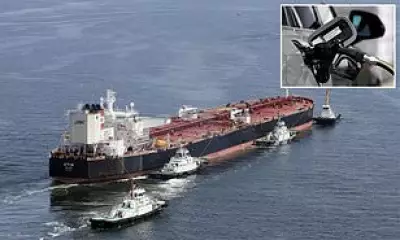
The conflict is expected to drive a sharp increase in petrol prices, as rising energy costs exacerbate global inflationary pressures. This surge makes it increasingly difficult for central banks to implement interest rate reductions, thereby elevating borrowing costs for consumers worldwide. The instability in the Middle East region is likely to trigger investor panic, further destabilising financial markets and compounding economic uncertainties.
Threats to Global Food Supplies and Shipping
A critical concern revolves around the potential disruption to nitrogen fertilizer supplies, a vital component for agricultural productivity and crop yields. Any interruption could lead to significant spikes in global food prices, affecting everything from basic staples to processed goods. Additionally, the conflict is impacting maritime traffic through the Strait of Hormuz, a crucial shipping route for international trade. This disruption may cause shipping rates to skyrocket, posing further risks to the global supply chain, particularly for essential commodities like fertilizer.

In summary, the military actions in Iran are not only a geopolitical crisis but also a looming economic threat, with implications for fuel affordability, food security, and overall market stability across the globe.