

Iranian Drones Target Kuwaiti Oil Refinery as Israeli Strikes Shake Tehran
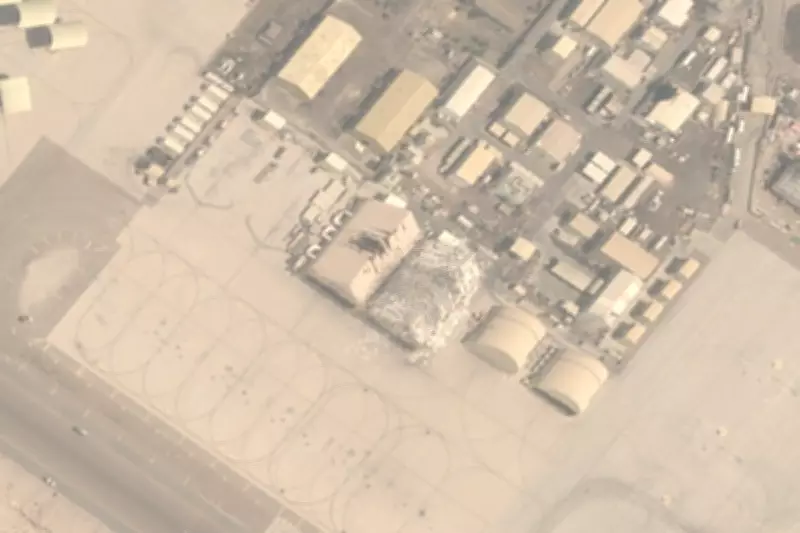
In a significant escalation of regional hostilities, Iranian drones struck Kuwait's Mina Al-Ahmadi oil refinery early Friday, igniting a substantial fire that emergency crews are battling to contain. This aggressive move comes as part of Iran's intensified campaign against Gulf energy infrastructure, which has now entered its third week with no signs of abatement.
Regional Energy Infrastructure Under Sustained Assault
The targeted refinery, capable of processing approximately 730,000 barrels of crude oil daily, had already sustained damage from a previous Iranian attack just one day earlier. Kuwait, a small but oil-rich nation situated on the Persian Gulf, operates only three major refineries, making this repeated targeting a severe blow to its energy sector and economic stability.
Iran's latest offensive follows Israel's bombing of Iran's massive South Pars offshore natural gas field on Wednesday. South Pars represents the Iranian portion of the world's largest gas field, jointly owned with Qatar and located offshore in the Persian Gulf. With natural gas generating around 80% of Iran's electricity, this Israeli strike posed a direct and critical threat to the nation's power supply infrastructure.

Explosions Echo Over Tehran During Nowruz Celebrations
Simultaneously, the sound of explosions reverberated across Tehran as Israel launched new strikes against Iran. This military action occurred as Iranians were celebrating Nowruz, the Persian New Year, adding a layer of disruption to traditional festivities. Israeli authorities confirmed the initiation of these strikes, though specific details regarding targets and damage remain undisclosed at this time.
In Israel, air raid sirens blared early Friday, warning of incoming attacks on Jerusalem and northern regions, prompting civilians to seek shelter once again. Fortunately, no immediate casualties were reported from these alerts, though the psychological toll on the population continues to mount.
Widening Conflict and Mounting Humanitarian Toll
The conflict has now claimed more than 1,300 lives in Iran alone, according to available reports. Israeli strikes targeting the Iranian-backed Hezbollah militant group in Lebanon have displaced over one million people, with the Lebanese government reporting more than 1,000 fatalities. Israeli military sources claim to have eliminated more than 500 Hezbollah militants during these operations.
On the Israeli side, 15 people have been killed by Iranian missile fire, while an additional four fatalities occurred in the occupied West Bank due to an Iranian missile strike. The international dimension of this conflict is further underscored by the confirmed deaths of at least 13 United States military personnel since hostilities began.
Broader Gulf Region Experiences Fallout
The repercussions of this escalating conflict have extended across the Gulf region. In Dubai, heavy explosions shook the city as air defense systems intercepted incoming fire overhead. This occurred while residents were observing Eid al-Fitr, marking the end of Ramadan, with mosques issuing their first calls to prayer of the day.
Bahrain's Interior Ministry reported that shrapnel from an intercepted projectile ignited a fire at a warehouse, while Saudi Arabia confirmed shooting down multiple drones targeting its oil-rich Eastern Province. These incidents highlight the expanding geographical scope of the conflict and its potential to destabilize multiple nations simultaneously.
Global Energy Markets React to Escalating Tensions
Beyond the immediate military confrontations, Iran's strategic stranglehold on shipping through the Strait of Hormuz has raised profound concerns about a potential global energy crisis. This critical waterway facilitates the transportation of approximately one-fifth of the world's oil supply alongside other vital goods.
Brent crude oil, the international benchmark, experienced dramatic volatility throughout the conflict. Prices spiked to over $119 per barrel during Iran's attacks on Thursday before settling around $107 in Friday morning trading. This represents an increase of more than 47% since Israel and the United States initiated the conflict with attacks on Iran on February 28th.

Late Thursday, Israeli Prime Minister Benjamin Netanyahu announced that Israel would temporarily halt further attacks on the South Pars gas field following a request from U.S. President Donald Trump. This decision came after Iranian retaliatory measures sent oil prices skyrocketing, demonstrating the intricate interplay between military actions and global economic stability.
Financial Networks and Regional Stability Targeted
In a related development, the United Arab Emirates disclosed on Friday that it had disrupted what it described as a terrorist network funded and operated by Lebanon's Hezbollah and Iran. Authorities arrested five individuals accused of money laundering activities, alleging they were operating under fictitious commercial cover with the intention of undermining the country's financial stability.
The UAE published images of the five detainees through its state-run WAM news agency, though it refrained from publicly identifying them. This action underscores the multifaceted nature of the conflict, extending beyond direct military engagements to include economic and financial dimensions that threaten regional security architectures.
As the conflict enters its third week, the international community watches with growing apprehension as attacks on critical energy infrastructure, civilian disruptions during religious and cultural observances, and escalating humanitarian costs continue to define this dangerous regional confrontation.





