Insulated Wallpaper & Thermal Paint: Do They Actually Cut Energy Bills?
Thermal wallpaper and thermal paint are frequently promoted as straightforward solutions for chilly homes and escalating energy expenses. However, the critical question remains: how substantial is their actual effect on household warmth and financial savings?
Cold walls represent a pervasive issue that is simple to detect yet challenging to resolve effectively. You activate the heating system, the ambient temperature rises, yet an underlying chill persists. Proximity to an exterior wall can even result in a noticeable radiant cold sensation.
For numerous households, particularly renters, apartment occupants, or residents of older buildings, implementing comprehensive insulation solutions often proves neither straightforward nor economically viable. This market gap has given rise to products like thermal wallpaper and thermal paint, which pledge reduced disruption, lower initial investment, and at least marginal enhancements in living comfort.

Understanding Thermal Wallpaper and Thermal Paint
Rather than generating heat, thermal wallpaper and thermal paint are engineered to mitigate heat dissipation or, at minimum, alleviate the perception of coldness without necessitating extensive structural modifications.
Thermal or insulated wallpaper typically consists of a dense base paper combined with an insulating or reflective backing material. Certain products incorporate foam layers or entrapped air pockets to decelerate thermal transfer, while others employ reflective surfaces designed to redirect warmth into the living space. This material is generally applied directly to cold external walls before being finished with decorative paint or conventional wallpaper.
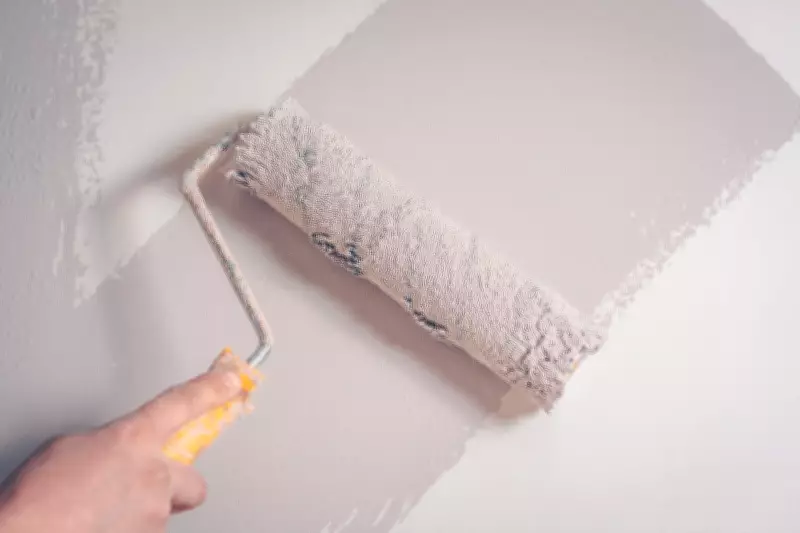
Conversely, thermal paint resembles standard emulsion in appearance but incorporates ceramic or glass microspheres alongside other insulating additives. Similar to insulated wallpaper, thermal paints are advertised as enhancing wall heat retention and diminishing cold patches, thereby improving overall room comfort where applied.
Both alternatives primarily target individuals residing in older properties, homes with substantial stone walls, or rental accommodations where permanent insulation enhancements remain unfeasible.
Evaluating Insulated Wallpaper Effectiveness
Insulated wallpaper can indeed influence room comfort, though the impact remains relatively subtle. By introducing a thin insulating layer to a cold wall surface, thermal wallpaper can marginally elevate wall temperature. Practically speaking, this may reduce draught sensations and mitigate the 'cold wall' effect that renders certain spaces uncomfortable despite active heating systems.
The most pronounced benefits typically manifest on solid external walls, especially in older residences or apartments where traditional cavity wall insulation isn't applicable. In such scenarios, occupants often report enhanced comfort rather than dramatic reductions in heating expenditures.
Nevertheless, maintaining realistic expectations proves crucial. Compared to proper wall insulation systems, the insulating capacity of wallpaper remains modest. It cannot transform an energy-inefficient home nor compensate for other deficiencies like inadequate loft insulation or poorly sealed windows.
Assessing Thermal Paint Performance
The insulating capability of thermal paint faces inherent limitations due to one fundamental reality: it remains essentially paint. Even with ceramic additives, the minimal thickness of a painted layer restricts its insulating potential significantly.
Some users report marginally warmer room sensations or reduced wall coldness to touch after applying thermal paint. This outcome appears plausible, particularly in compact spaces or on problematic walls. However, whether this translates to measurable energy consumption reductions remains considerably less certain.
Potential savings likely remain minimal since, analogous to thermal wallpaper, the primary advantage generally involves comfort enhancement rather than substantial bill reduction.
Advantages and Disadvantages of Thermal Solutions
Pros of Thermal Wallpaper

- Can enhance comfort on cold external walls
- Less disruptive than installing comprehensive wall insulation
- Useful where permanent alterations remain impossible
Cons of Thermal Wallpaper
- Limited insulation performance
- Can prove expensive relative to potential gains
- Not a long-term solution for heat loss
Pros of Thermal Paint
- Easy application similar to standard emulsion
- Minimal disruption to daily routines
- May reduce cold spots in specific rooms
Cons of Thermal Paint
- Performance varies considerably between properties
- Marketing claims can be exaggerated
- Unlikely to deliver meaningful savings independently
Cost Analysis of Thermal Wallpaper and Paint
Thermal wallpaper proves substantially more expensive than conventional lining paper. Most products range between £10 and £30 per roll, depending on thickness and materials, with each roll typically covering approximately 5-7 square metres. For medium-sized rooms, costs can accumulate rapidly.
Installation expenses may further increase overall outlay. Professional fitting could cost £150 to £300 per room, especially if walls require preparatory work or smoothing beforehand.
Thermal paint represents a cheaper initial option yet remains pricier than ordinary emulsion. Anticipate paying around £15 to £40 per litre, with coverage comparable to standard paint—usually sufficient for about 10 square metres per coat. Some manufacturers recommend two or three coats to achieve intended effects, thereby increasing total expenditure.
While both alternatives cost less than installing complete insulation systems, they still constitute significant investment for relatively modest returns. In many homes, simpler measures like loft insulation or draught proofing offer superior value for money.
Does Thermal Wallpaper Prevent Damp Issues?
Thermal wallpaper may occasionally assist with condensation problems, though it shouldn't be considered a universal remedy. By warming wall surfaces, it can decrease moisture formation likelihood on cold areas, potentially helping minor condensation concerns in bedrooms or living spaces with problematic external walls.
However, it cannot resolve underlying damp caused by water penetration, rising damp, or structural defects. In some instances, concealing problematic walls without addressing root causes might exacerbate situations by trapping moisture.
If properties experience persistent damp or mould, addressing these issues directly remains essential before considering thermal finishes.
Are Thermal Wallpaper and Paint Worthwhile Investments?
Whether thermal wallpaper or paint proves valuable ultimately depends on desired outcomes. If seeking noticeable energy bill reductions, these products unlikely deliver independently—their insulating effects remain too limited to significantly impact household heat loss.
This doesn't render them useless. For renters, flat owners, or anyone managing particularly cold rooms, they can provide modest comfort improvements without major disruption. Short-term warmth enhancements might slightly reduce heating reliance, even if savings prove minimal.
For most households, they function best as temporary or supplementary measures. Addressing fundamentals like insulation, draughts, and heating efficiency typically yields far greater impact.
The Broader Perspective: What Truly Reduces Energy Bills?
Substantial energy bill reductions generally stem from tackling primary heat loss sources initially. This usually involves effective insulation, efficient heating systems, and intelligent energy usage controls. Within this context, products like thermal wallpaper and paint assume relatively minor roles.
Many energy providers increasingly emphasise holistic home approaches, understanding how insulation, heating upgrades, and daily energy consumption interact synergistically rather than relying on singular quick-fix solutions.
Final Verdict: Do Thermal Wallpaper and Paint Genuinely Work?
Thermal wallpaper and paint can enhance comfort, particularly in older properties with cold external walls. However, they aren't miraculous solutions. Their impact remains constrained, and they shouldn't substitute proper insulation or heating improvements. When used appropriately, thermal wallpaper and paint may help rooms feel warmer, but for enduring energy savings, comprehensive approaches usually prove necessary.