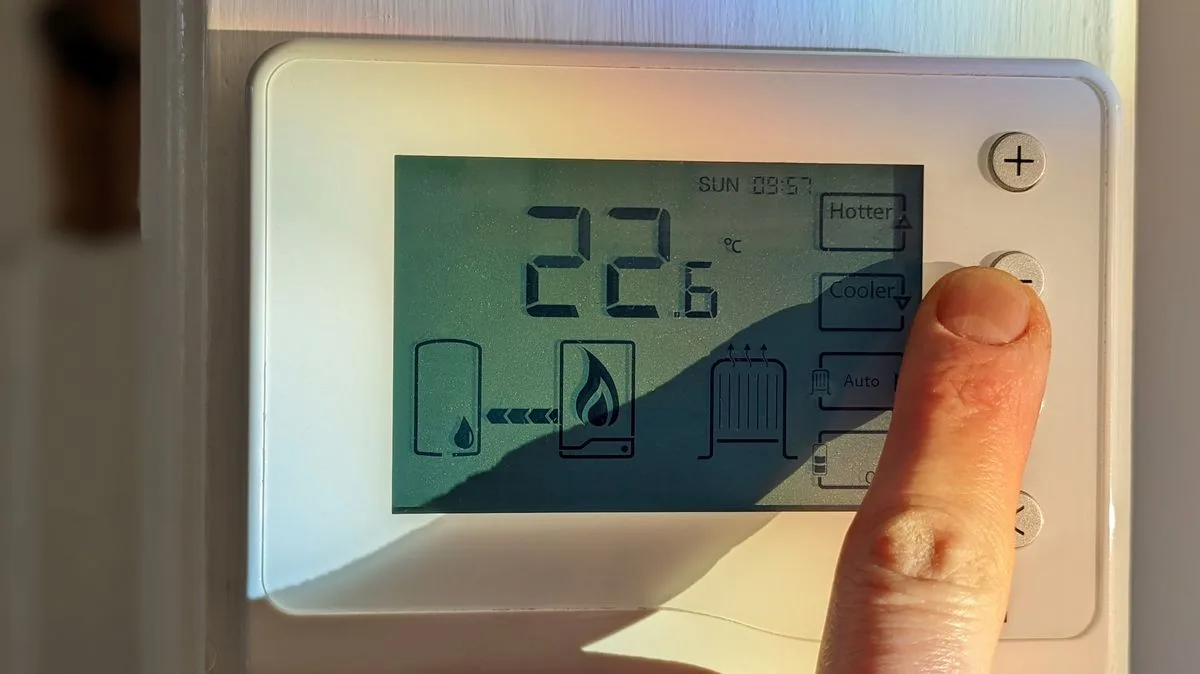
Heating Experts Reach Consensus on Perfect Thermostat Setting
As the United Kingdom endures a particularly chilly and damp February, households across the nation are urgently seeking strategies to minimise central heating expenditures. This concern is amplified by the stark reality that warming a property now costs approximately £600 more per year compared to 2022 levels.
Although recent temperatures have been seasonally moderate, forecasts predict a sharp decline to 0°C by the end of next week, with snowfall anticipated in several regions. This impending cold snap underscores the importance of efficient heating management.
Substantial Savings Without Financial Investment
The encouraging news is that numerous cost-free methods exist to significantly reduce heating outlays, potentially saving well over £100 each year. Beyond classic techniques like the towel method or candle trick, expert consensus provides a clear, actionable guideline for thermostat settings.
I consulted with more than one hundred heating specialists to identify the most effective ways to keep bills manageable. Their unanimous agreement centred on one critical factor: the ideal thermostat temperature.
The Expert-Verified Temperature Range
Nick Duggan, Managing Director at The Radiator Centre, stated: "The ideal temperature for a room is between 18-21°C. Every extra degree adds around 10% to the average heating bill, so ensuring radiators operate at peak efficiency is paramount."
An Octopus Energy spokesperson emphasised proper thermostat usage: "Using it as an on/off switch wastes energy, as the system overworks to reheat spaces. Maintain comfort and efficiency by setting it to activate only when necessary, keeping it steady between 18-21°C. Reducing it by just one degree could save up to £145 annually."
Fiona Peake, Household Finance Expert at Ocean Finance, explained a common misconception: "Many Britons crank the thermostat high to 'heat faster,' but boilers work at a constant pace regardless. This merely overshoots the target temperature, wasting energy. Set the thermostat to the lowest comfortable setting, typically 18-21°C, and allow it to run steadily."
Gav Murray, Hive Heating Director, noted: "Hive recommends a main thermostat setting of 18°C to 21°C, with most users opting for 18°C. For an average household, lowering the temperature by one degree could save as much as £115 a year. Spring is an ideal time to trial this adjustment, as external conditions are milder."
Adam Knight, Lead Engineer at BOXT, advised: "Adopt a simple, steady approach. Set the thermostat to a realistic daytime target of about 18-20°C for most homes, with a slight nighttime reduction to 16-17°C, rather than switching it off completely."
Ricky Sharma of Engineering Real Results (ERR) added: "Most homes are comfortable between 18°C and 21°C. If you typically set it higher, try turning it down slightly and wearing an extra layer. According to the Energy Saving Trust, lowering your thermostat by just 1°C could reduce your bill by around 10%, equating to an average of £120 yearly savings."
Matthew Sheeran from Money Wellness concluded: "Reducing your thermostat by 1°C can cut bills by up to 10%. Employing a timer to heat your home only when required further prevents energy wastage."
Five Straightforward Strategies to Lower Heating Costs
- Draught-proof your home: Inspect windows, doors, and chimneys for leaks and seal them appropriately.
- Use your thermostat correctly: Set it between 18-21°C. Avoid cranking it up upon returning to a cold house, as this does not accelerate heating.
- Heat only occupied rooms: Turn off radiators in unused spaces to concentrate warmth where it is needed.
- Maintain your boiler and radiators: An ageing, inefficient boiler works harder for less heat. Bleed radiators that are not warming adequately.
- Prioritise personal warmth: Use clothing, blankets, and hot water bottles to stay warm, reducing reliance on heating systems.