
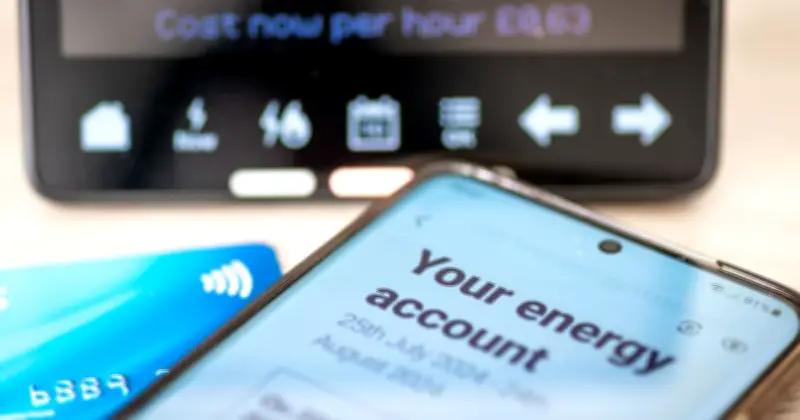
Households face another rise in energy costs in January, with forecasts suggesting the price cap could increase by up to 26%. However, there are steps consumers can take to reduce the impact, including switching to cheaper fixed deals.
Price cap rises and what they mean
Bills for households on standard variable tariffs rose by around 4% on October 1, the second consecutive increase of the year. When the cap is next updated in January, the energy regulator Ofgem could raise prices by between 16% and 26%, driven by volatile wholesale gas prices and the conflict in the Middle East.
This could add between £276 and £449 to annual costs, pushing the average bill to up to £2,172, up from the current £1,723. That would take bills back to levels seen during the 2022-2023 energy crisis.
The price cap, reviewed every three months by Ofgem, limits unit rates for electricity and gas, not total bills. It also sets the maximum daily standing charge. The £2,172 figure is an estimate for a dual-fuel household with two to three members using Ofgem's typical usage figures.
Switching to fixed tariffs
Price cap changes only affect customers on standard variable tariffs (SVTs). An estimated 11 million households are on fixed rates and will not see their unit rates change. For the roughly 20 million households on SVTs, experts recommend switching to a cheaper fixed-rate tariff.
Comparison sites such as MoneySuperMarket or Uswitch can help find the best deal. Which? suggests opting for a tariff fixed for around 12 months and avoiding deals with hefty exit fees. At the time of writing, the cheapest fixed deal on the market is priced £345 lower than the predicted January cap, according to Uswitch's analysis, with Outfox Energy offering the lowest rate.
Easy energy-saving measures
The Energy Saving Trust (EST) estimates that turning off devices left on standby could save around £45 per year, while avoiding the tumble dryer could save £50. Smaller actions, like not overfilling the kettle, could save £10 annually, and fitting an aerator to a kitchen tap could save £20.
LED bulbs use 80% less electricity than halogen bulbs. Turning the thermostat down by 1C could save around £100 per year, according to EST. The most comfortable temperature is 18C to 21C, so lowering the thermostat if it is set higher could cut costs.
Help for those in arrears
More than nine million households are heading into winter either behind on energy bills or with no credit built up, research from Uswitch shows. Two in five people are more worried about paying for energy this winter than last. Among those in credit, only 29% have built up £300 or more, while the typical bill-payer has between £51 and £100.
Ben Gallizzi, energy expert at Uswitch.com, said: "Credit is the cushion that turns a frightening winter bill into a manageable one, but for millions, building a summer buffer for the winter simply hasn't happened. With the price cap forecast to jump by around a quarter in January, it is no surprise that worry is climbing. Nearly a quarter of people feel there is nothing they can do, but a few simple actions could make a huge difference."
Gallizzi advises speaking to your supplier early if you are in arrears and asking for an affordable repayment plan. Suppliers such as EDF, Octopus, and British Gas offer support funds to help with bills, including wiping them off, payment holidays, or supplying energy-efficient devices. Smart meter households can connect to the free Uswitch app to track daily energy use and find ways to cut back.




