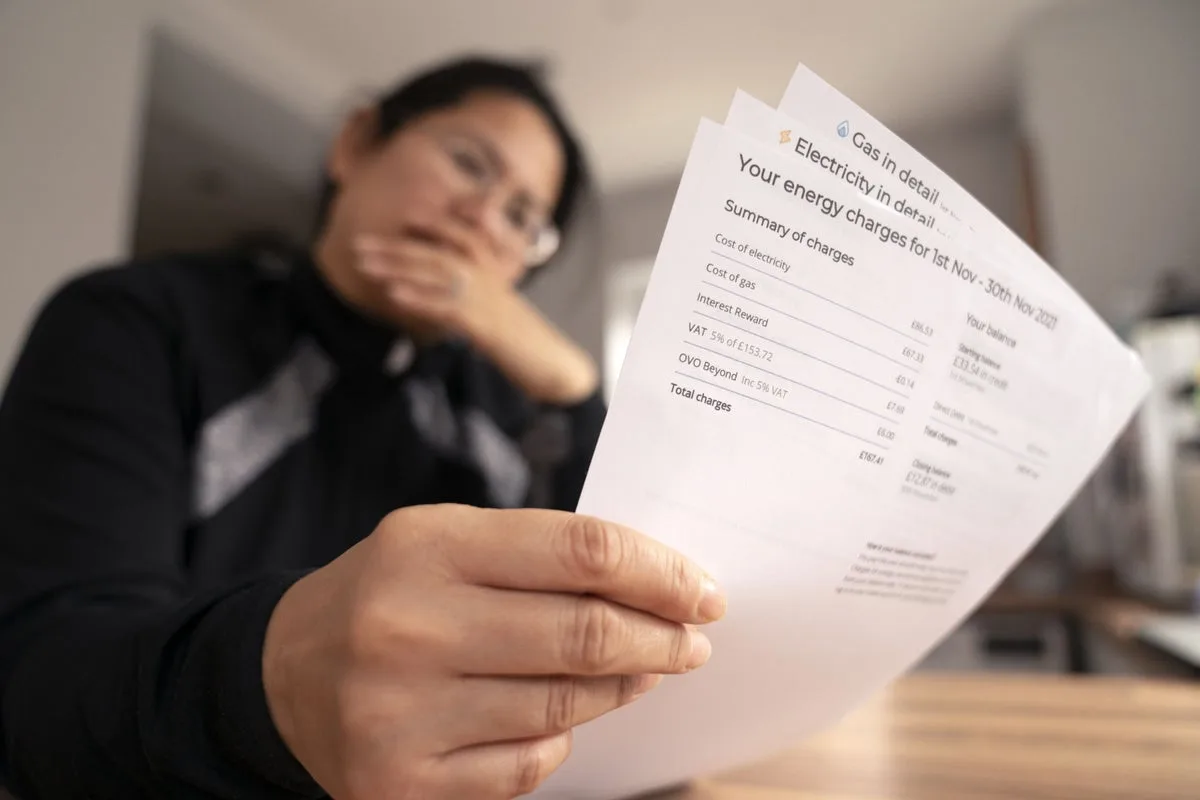
As the war in Iran and strikes on Middle East energy infrastructure threaten to push up UK power bills, experts have highlighted a simple household trick that could reduce electricity consumption by up to 10%. Phantom energy, also known as vampire energy, refers to the power drawn by electronic devices left plugged in when not in use – from phone chargers and microwaves to televisions and gaming consoles.
Alexis Abramson, dean of the Columbia Climate School, explains that this wasted electricity accounts for 5–10% of home energy use, depending on the age and type of equipment. Smart TVs, for instance, can consume up to 40 watts even when switched off if they remain connected to the internet for wake features. Matt Malinowski, director of the buildings programme at the American Council for an Energy-Efficient Economy, notes that new voluntary agreements aim to reduce standby consumption.
The environmental toll is significant. Aidan Charron of Global Earth Day advises unplugging devices not in use to save money and reduce emissions. He suggests starting with chargers and microwaves, which often have clocks, and disabling unnecessary features on smart appliances. Jonathan Gilligan, professor at Vanderbilt University, adds that individual actions can cut US emissions by 20% annually, equivalent to 450 tons of CO2, and that such habits can become societal norms.
With UK forecasters warning of a nearly £300 annual bill rise this summer, tackling phantom energy offers a practical way to counter rising costs and climate impact.