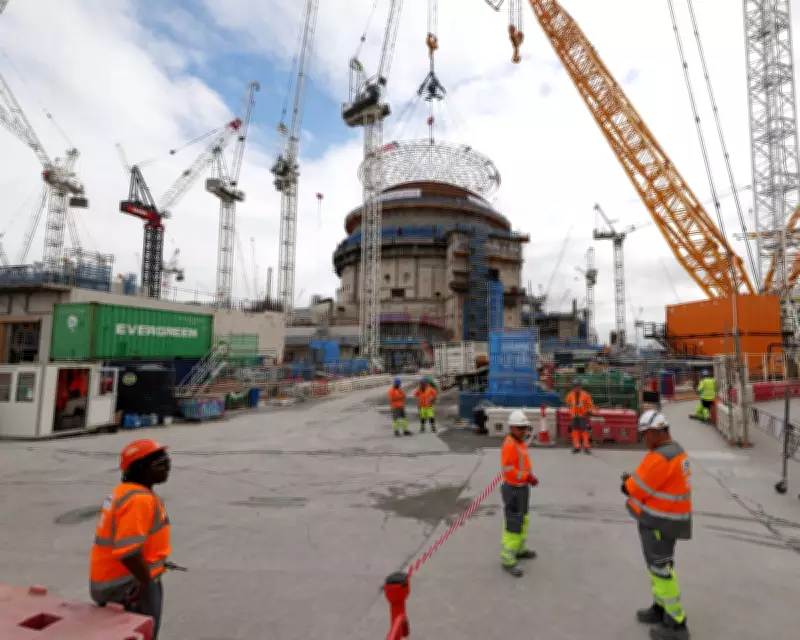
The Hinkley Point C nuclear power station project in Somerset has been hit with a significant setback, as it is now expected to be delayed until 2030, with costs ballooning to an estimated £35 billion. This announcement marks the latest in a series of challenges for the UK's flagship nuclear initiative, casting doubts over its timeline and financial sustainability.
Project Delays and Escalating Costs
Originally slated for completion earlier, the Hinkley Point C plant has encountered numerous hurdles, including technical complexities and supply chain disruptions. The new delay to 2030 represents a substantial postponement, while the cost increase from previous estimates to £35 billion underscores the mounting financial pressures. Experts attribute this to inflation, labour shortages, and unforeseen engineering issues.
Impact on UK Energy Strategy
This delay poses serious implications for the UK's energy security and climate goals. Hinkley Point C is a cornerstone of the government's plan to reduce reliance on fossil fuels and achieve net-zero emissions by 2050. With the plant now not operational until 2030, there are concerns about potential energy shortfalls and increased dependency on imported power during the interim period.

Government and Stakeholder Reactions
Officials have expressed disappointment but remain committed to the project, emphasising its long-term benefits for clean energy production. However, critics argue that the repeated delays and cost overruns highlight systemic issues in large-scale infrastructure projects and call for greater oversight and contingency planning.
Future Prospects and Alternatives
As Hinkley Point C faces these challenges, discussions are emerging about alternative energy sources and smaller modular reactors to fill the gap. The situation has sparked debates on the viability of nuclear power in the UK's energy mix, with some advocating for increased investment in renewables like wind and solar to ensure a more resilient and cost-effective grid.
In summary, the delay and cost escalation at Hinkley Point C underscore the complexities of nuclear energy development, with significant ramifications for the UK's energy policy and economic landscape in the coming years.