

Global Energy Crisis Intensifies Amid Iran War Fallout
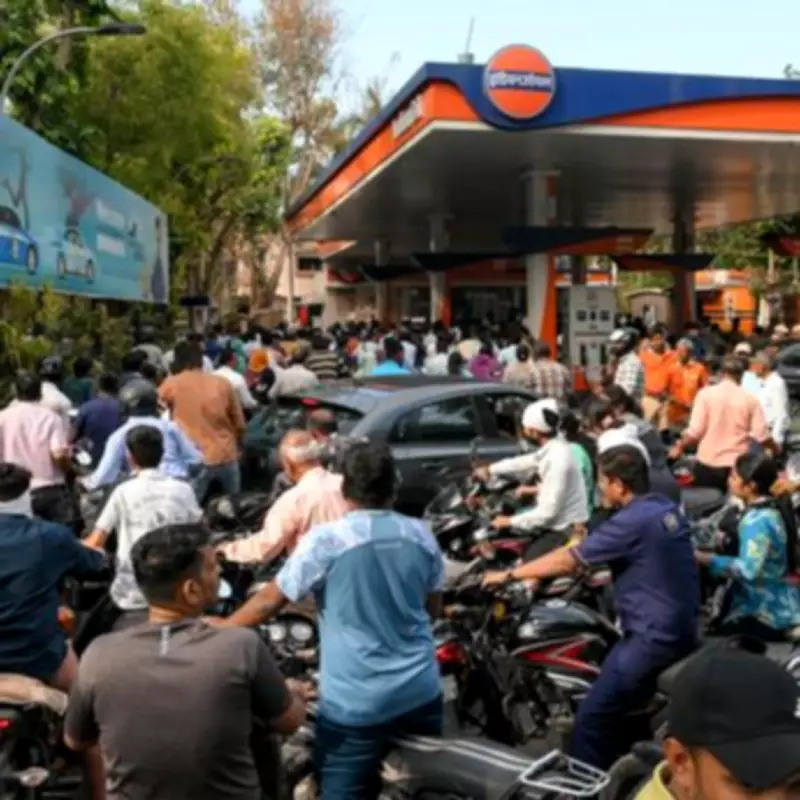
Nations across the globe are enacting stringent emergency measures in response to a deepening fuel crisis triggered by the ongoing conflict in Iran, marking what experts describe as the most severe energy shortage in five decades. The situation has escalated to the point where one country has officially declared a 'state of emergency' to address the looming threat of critical supply shortages.
International Responses to the Fuel Shortage
In the last 24 hours, countries including Egypt, Slovenia, and the Philippines have implemented strict new regulations to manage dwindling fuel reserves. Slovenia has taken the lead as the first European Union member state to introduce fuel rationing, with petrol stations now mandated to limit individual purchases to 50 litres per day for motorists, while businesses and farmers are allowed up to 200 litres. Prime Minister Robert Golob emphasized that this measure aims to curb 'fuel tourism' from neighbouring nations like Austria, where prices are higher, despite assurances that storage facilities remain adequately stocked.
Meanwhile, the Philippines has declared a state of national energy emergency, citing an 'imminent danger of a critically low energy supply' due to the Middle East conflict. President Ferdinand Marcos Jr will oversee a contingency committee tasked with ensuring the orderly distribution of essential goods, including fuel, food, and medicines, while authorities crack down on hoarding and profiteering.

United Kingdom Contemplates Rationing Plans
In Britain, government ministers are reportedly reviewing emergency contingency plans to mitigate potential petrol shortages stemming from the Iran war. Proposed measures under consideration include a £30 limit on fuel purchases per transaction, the imposition of a temporary national speed limit of 50mph, and priority access for essential services such as the NHS and police forces. These steps are part of broader efforts to prepare for a supply crisis that could mirror the energy shocks of the 1970s.
Economic Impact on British Motorists
New analysis from the RAC Foundation reveals that the Iran oil crisis has already cost UK drivers over £300 million in increased fuel expenses. Since the conflict began on February 28, pump prices have surged, with petrol rising from 132.9p to 146.4p per litre and diesel jumping from 142.4p to 169.8p. This spike is directly linked to oil prices soaring to as high as 120 dollars a barrel, driven by Iran's strategic placement of sea mines in the Strait of Hormuz, a critical Middle Eastern waterway that has been effectively closed, disrupting global oil shipments.
Broader Global Implications
The crisis has prompted widespread concern, with Sri Lanka recently implementing a three-day work week for government employees to conserve energy. As Iran continues to lay sea mines in the Strait of Hormuz, exacerbating supply chain disruptions, oil markets remain volatile, leading to further price increases and prompting nations to accelerate their emergency preparedness efforts. The global community is closely monitoring the situation, with fears that prolonged conflict could lead to more severe economic and social repercussions worldwide.






