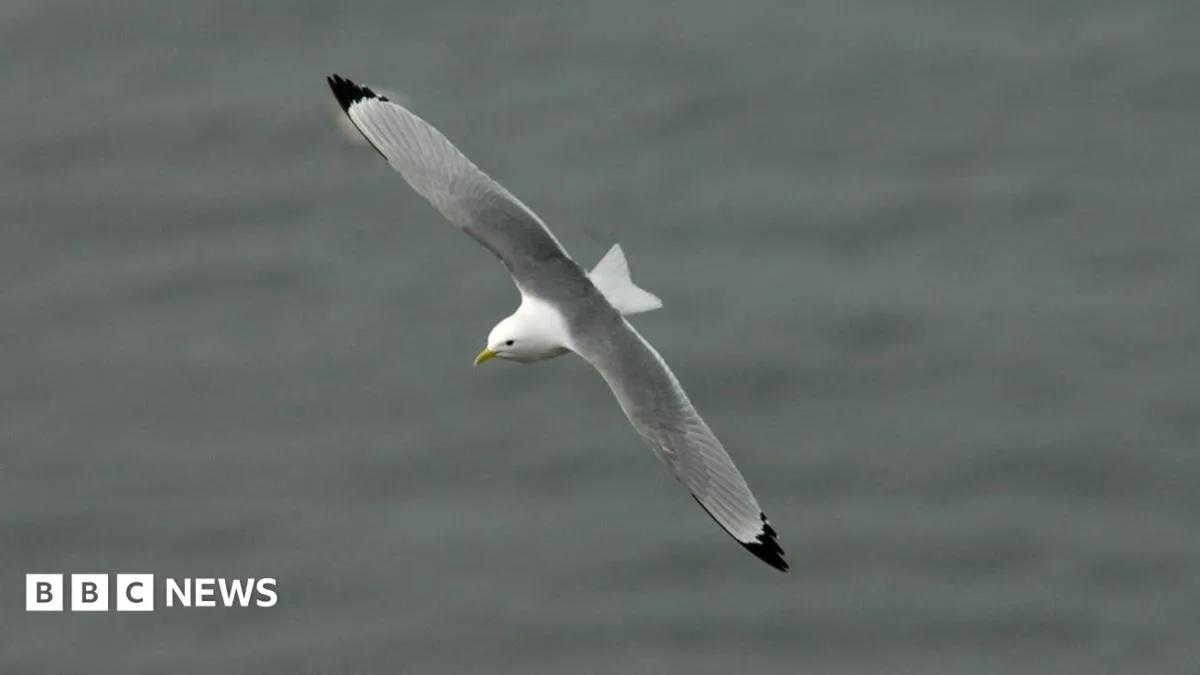
The RSPB has criticised a government decision to permit the Hornsea Three offshore wind farm, which it says will harm seabirds feeding in the North Sea. The development lies 75 miles from Flamborough Head, England's largest seabird colony on the Yorkshire coast.
The charity warns that kittiwakes will need to fly through the area, dodging turbines up to 200 metres tall, to reach feeding grounds. Computer modelling suggests the wind farm could cause 73 kittiwake deaths per year. The RSPB also expressed concern for other birds like guillemots and razorbills, which may expend extra energy flying around turbine clusters.
Developer Orsted plans to compensate by building four artificial nesting towers on land, but the RSPB says these measures are speculative and will take a decade to assess—too late, as the wind farm will be operational by then. Andrew Dodd of the RSPB stated: 'We have no idea whether this plan will work or not.'
Energy Secretary Alok Sharma acknowledged the harm to wildlife but granted consent, citing the significant benefits of renewable electricity generation. The RSPB and Renewable UK both blame the government for failing to mitigate the conflict between wildlife and clean energy, urging better data and funding for advisory bodies like Natural England.
Duncan Clark from Orsted emphasised the urgency of tackling climate change, noting Hornsea Three could power over two million homes and offset 128.2 million tonnes of CO2. The RSPB supports renewable energy but fears the cumulative impact of massive turbine expansion on sensitive seabird populations already stressed by climate change and overfishing.