Fuel Spending Soars 10.9% in Wake of Iran Conflict as Petrol Prices Break 150p Barrier
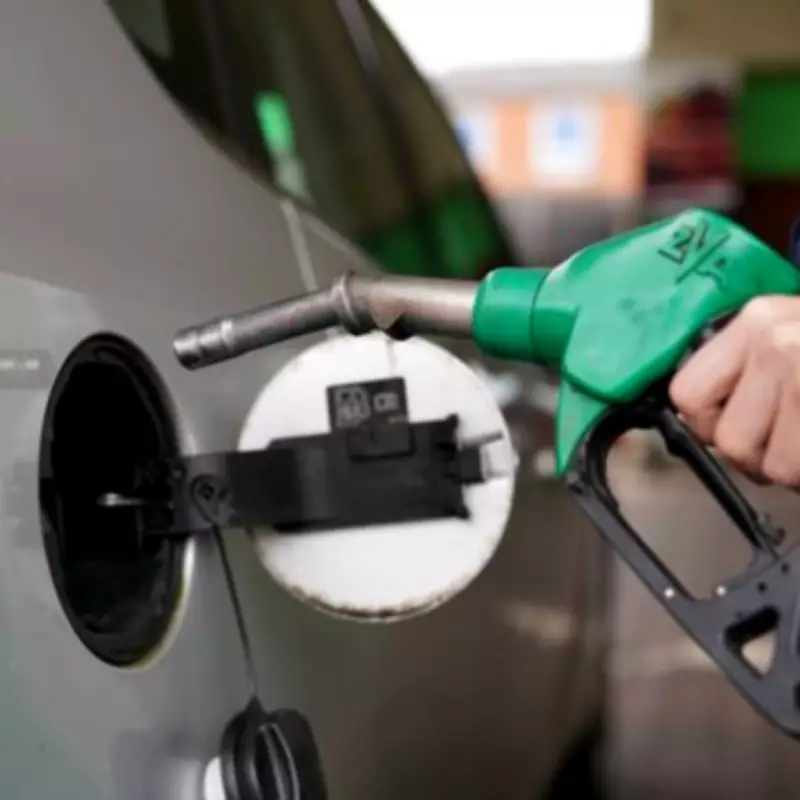
Newly released data has exposed a dramatic surge in motorists' expenditure on fuel across the United Kingdom in the immediate aftermath of the Iran war, with petrol prices climbing to a significant milestone. According to the latest figures from banking giant Barclays, spending on fuel skyrocketed by 10.9% in the week following the outbreak of the US-Israel conflict with Iran on February 28.
Panic Buying and Price Hikes at the Pumps
Britons were witnessed scrambling to fill their tanks amid widespread fears over potential supply disruptions and escalating costs, as the price of crude oil soared above 100 US dollars per barrel. This panic-buying behaviour was particularly evident in certain regions, though industry representatives have since moved to reassure the public.
The average price of unleaded petrol has now surged past 150p per litre for the first time in nearly two years, according to the most recent RAC data. This represents a sharp increase of over 17p since the conflict in the Middle East first began, placing additional financial pressure on households already grappling with broader economic uncertainty.

Industry Response and Supply Chain Stability
Barclays reported that fuel spending quickly returned to more normal levels after the initial week of heightened activity. However, there are growing indications that motorists remain vigilant, looking to refuel whenever opportunities arise as a precautionary measure.
Asda chairman Allan Leighton acknowledged on Friday that the supermarket chain had experienced "temporary shortages" at some petrol stations, though he was careful to emphasise that these issues were not nationwide in scope. Meanwhile, Fuel Industry UK, the representative body for the fuel sector, stated that the overall supply of both petrol and diesel across the country remains "stable."
Holiday Spending Plummets as Consumers Adopt Cautious Stance
The Barclays data also revealed a contrasting trend in the travel sector, with spending on holidays and travel arrangements falling by 7.9% during the week beginning March 14. The bank attributed this decline to consumers adopting a "wait and see" approach to booking trips amidst the ongoing geopolitical instability.
Over half of this decrease, approximately 54%, was directly linked to consumers pausing their holiday bookings. The remainder stemmed from refunds for cancelled travel plans due to disruptions caused by the conflict. Despite this downturn in travel expenditure, the bank's data indicated that discretionary spending in other areas, such as dining out and entertainment, has remained relatively robust thus far.
Executive Commentary on Consumer Behaviour
Vim Maru, Chief Executive of Barclays UK, provided insight into the shifting consumer mindset. "The conflict in the Middle East and concerns about rising costs are understandably leading people to be more cautious, even as many continue with their day-to-day spending," he stated.
Maru further advised, "If you're feeling uncertain about your finances, whether that's spending, your mortgage, savings, debts or investments, being proactive with your finances can help. Seeking advice and making use of money management tools will provide reassurance and support during these uncertain times."
The data underscores the immediate economic ripple effects of international conflicts on domestic consumer behaviour, highlighting how geopolitical events can swiftly influence spending patterns, fuel prices, and public confidence in the UK market.