

UK Fuel Prices Experience First Decline Since Middle East Conflict Began
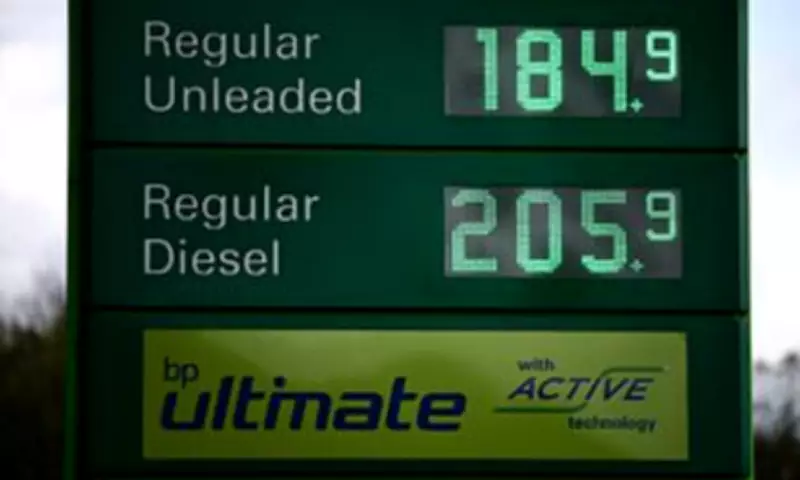
Fuel prices across the United Kingdom have fallen very slightly for the first time since the start of the Middle East conflict, marking a potential turning point after 46 consecutive days of increases. The average price of a litre of petrol at UK forecourts dropped to 158.1p yesterday, down from 158.3p the previous day, while diesel saw a reduction from 191.5p to 191.2p over the same period.
Drivers Face Significant Financial Burden
This minor relief comes after a prolonged period of rising costs that forced drivers to shell out an additional £1.3 billion since the war began on February 28. The price hikes have also resulted in Chancellor Rachel Reeves raking in an extra £200 million from drivers in just over six weeks due to higher pump prices. Despite this, both the Chancellor and Labour leader Keir Starmer have insisted they are pressing ahead with plans to increase fuel levies.
Currently, a litre of petrol remains 25p more expensive than when the conflict started, while diesel is 49p pricier. A recent survey found that nearly three in ten drivers (28 per cent) are walking and cycling more frequently because of the spike in fuel prices, highlighting the broader impact on consumer behaviour.

Industry Experts Express Cautious Optimism
RAC head of policy Simon Williams commented on the development, stating: 'After 46 days of rising prices, the cost of both petrol and diesel across the country has finally begun to drop very slightly. Wholesale prices are still lower, so we're hopeful there will be further reductions amounting to several pence a litre in the coming days.'
He added: 'After record rises, drivers will be relieved to finally see prices going the other way. While we're a long way from a return to the prices we had at the start of the conflict, there's now a glimmer of light at the end of the tunnel.'
Geopolitical Factors Influence Global Oil Markets
The Strait of Hormuz, through which a fifth of the world's oil normally flows, was closed by Iran as a response to American and Israeli strikes, causing a significant spike in oil costs. However, Iran today claimed the Strait is now completely open for the rest of the ceasefire, prompting crude oil to drop to $91 (£72) per barrel minutes afterwards. It remains uncertain whether commercial shipping will immediately return to normal levels.
Household Energy Prices Also Affected
Meanwhile, the household energy price cap is expected to rise by a lower-than-first-feared £196 a year from July amid volatile wholesale markets caused by the Iran war, according to latest forecasts. Cornwall Insight predicts Ofgem's cap from July to September will stand at £1,837 for a typical dual fuel household, a 12% increase on April's cap.
In early March, the firm had warned that annual household energy bills could surge by £332 to £1,973 from July. The lower forecast signals some easing in wholesale energy costs after initial painful spikes at the war's start, though markets remain volatile. Cornwall Insight recently cautioned that a rise in the cap in July is effectively unavoidable, with rocketing wholesale prices already locked into calculations.
Ofgem will announce the next price cap level by May 27. The current cap was reduced by 7% to £1,641 between April and June, driven by government promises to cut bills by an average of £150 by removing green subsidies. The prospect of a significant jump in gas and electricity costs has prompted the government to consider further targeted support as part of contingency planning efforts.






