Chancellor Rachel Reeves is facing mounting calls to abandon her proposed increases to fuel duty, as escalating tensions in the Middle East have triggered a sharp rise in global oil prices. The urgent plea comes just ahead of the government's spring statement, with fears that consumers could be hit by a devastating double blow at the petrol pumps.
Oil Price Spike Following Iran Attack
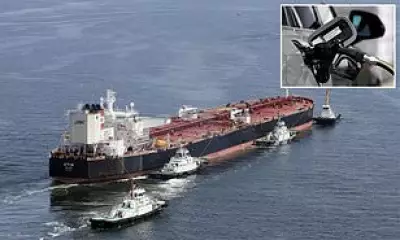
The price of oil jumped to over 80 US dollars a barrel over the weekend, after coordinated military strikes by the United States and Israel targeted Iran. The attacks resulted in the death of Iran's Supreme Leader, Ayatollah Ali Khamenei, and have raised significant concerns about prolonged instability in the region. Some financial analysts are now warning that oil prices could potentially surge beyond 100 dollars per barrel if the conflict intensifies further.
Planned Fuel Duty Increases
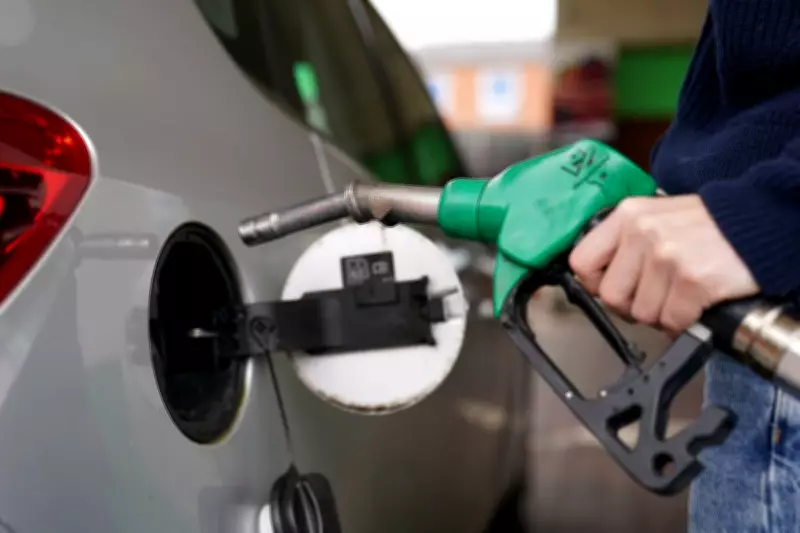
Last year, Chancellor Rachel Reeves announced that the longstanding 5p per litre discount on fuel duty would be removed starting in September. This would be followed by a series of incremental hikes: an initial increase of 1p, then two subsequent rises of 2p each in the following years. The Treasury has confirmed that the 5p cut will remain in place until the end of August, but the planned increases thereafter are now under intense scrutiny.

Political Pressure Mounts
Speaking ahead of the spring statement, SNP economy spokesman Dave Doogan issued a stark warning. "With real fears that prices at the pump are now set to soar because of the situation in the Middle East – instead of stubbornly doubling down, the Chancellor needs to scrap her price hike plans before motorists face a devastating double hit," he stated.
Doogan emphasised the broader economic impact, adding: "Oil prices are already spiking – the last thing motorists and businesses now need is another damaging tax hike from the Labour Party. The Chancellor needs to see sense, recognise what is unfolding globally, and immediately scrap her plans to hike prices at pumps."
He also criticised the Labour government's record, pointing to previous policy reversals. "Everyone knows that Keir Starmer’s Labour Party has broken their promise to cut energy bills by £300 – it would be another slap in the face for families if Labour made the cost-of-living crisis even worse with a plan that will inevitably increase prices," Doogan argued. "After 14 U-turns from this chaotic Labour Government – scrapping their plans to hike fuel duty is one U-turn motorists, businesses and families right across Scotland would actually welcome."
Treasury Response
A spokeswoman for the Treasury responded to the growing concerns, stating: "We have extended the 5p fuel duty cut from this month to the end of August to support drivers across the country." However, the statement did not address whether the planned future increases would be reconsidered in light of the volatile oil market.
Broader Implications
The situation highlights the delicate balance between fiscal policy and global economic shocks. As oil prices continue to fluctuate, the government's approach to fuel taxation will be closely watched by:
- Motorists facing higher transportation costs
- Businesses reliant on fuel for logistics and operations
- Families already grappling with the ongoing cost-of-living crisis
- Economic analysts monitoring inflationary pressures
The spring statement now takes on added significance, with many expecting Chancellor Reeves to address these concerns directly. The decision on whether to proceed with the fuel duty hikes could have substantial political and economic ramifications, particularly if oil prices remain elevated or climb further in the coming months.