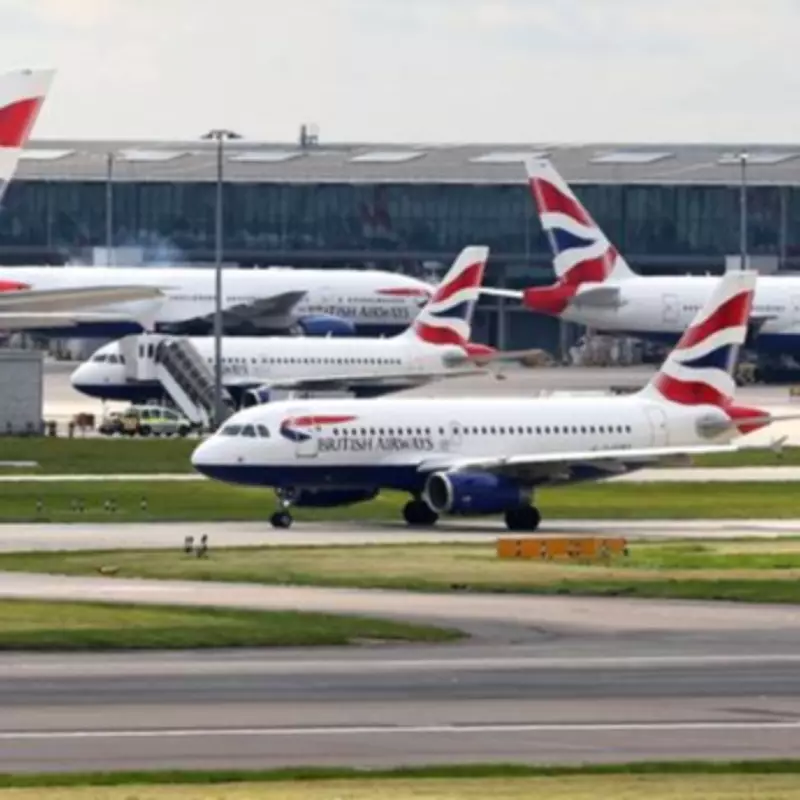
Travellers booking flights are being warned that a critical threshold is just weeks away as airlines grapple with the crisis facing the industry. Airlines have scrapped more than 13,000 flights due to depart in May as a result of jet fuel shortages and soaring prices, with one analyst today branding the situation a looming disaster.
The Times reports that British airports have confirmed cancellations on a number of key routes, including four UK travel spots: London Heathrow to Beijing, Heathrow to Cairo, Manchester to Munich, and Heathrow to Barcelona. The worst-affected routes are in Germany, with Munich, Frankfurt, and Stuttgart airports all facing significant cancellations.
Now Fortune magazine has reported that Europe is just weeks away from breaching a critical threshold that signals a severe and immediate jet fuel shortage. This could trigger a wave of further flight cancellations and even the potential closure of smaller airports.

A new Goldman Sachs research report estimates that Europe's commercial jet fuel stocks are on course to drop below the International Energy Agency's critical 23-day shortage threshold sometime in June. The UK appears most at risk of jet fuel rationing given its large net imports, the report argues.
Breaching the threshold does not mean Europe will exhaust its fuel supplies 23 days later—that would only happen without any further replenishments. However, it does signal that global crude and fuel supplies are being depleted daily as a result of the ongoing closure of the Strait of Hormuz amid the conflict in Iran.
Claudio Galimberti, Rystad Energy chief economist, told Fortune: We are still kind of sleepwalking into this approaching disaster. There is little doubt there is going to be a disaster.
Aviation analytics firm Cirium has revealed in a new report that cancellations account for nearly two million seats slashed by airlines across the globe. Some of the two million seats have been cut through the deployment of smaller aircraft, as well as outright cancellations. Istanbul and Munich have seen the steepest decline in flights, with Turkish Airlines and German flag carrier Lufthansa making substantial reductions.
Airlines ranging from EasyJet to Virgin Atlantic have cautioned that escalating costs will hit their profits this year. Analysts are warning of potential bankruptcies across the industry should the problems continue.
German carrier Lufthansa revealed it expects surging jet fuel prices to set it back €1.7 billion this year. Alongside its results, the group stated there were currently no acute shortages at its hub airports but warned that potentially reduced fuel availability later in the year represents an additional risk factor.
Julia Lo Bue-Said, chief executive of the Advantage Travel Partnership, said airlines will be assessing poor performance flights and consolidating or cancelling as required. Yet the trade body described the cancellations as, on the whole, marginal. It stated that UK departures, including key summer sun destinations, remain unaffected, so customers can continue to book with confidence.
Jet fuel prices have more than doubled since the conflict began. Airlines have stated they are not currently facing any fuel supply issues, though experts have cautioned that disruptions to deliveries as a result of the war in Iran could trigger shortages within a matter of weeks.
A number of airlines have already hiked ticket prices. SAS, Air France, KLM, Air Canada, and Delta have all trimmed their summer schedules, while Lufthansa has slashed 20,000 flights from its timetable. Airlines UK, the industry trade body, said: UK airlines continue to operate normally and are not experiencing issues with jet fuel supply. We are planning to take our customers on their well-earned holidays this summer and will always look after them in line with our obligations.

We welcome the government's contingency planning including slot alleviation which is one measure which enables airlines to adjust schedules responsibly, avoid unnecessary flying, and continue operating efficiently while protecting connectivity for passengers.
At the weekend, the government unveiled plans aimed at reassuring passengers, which could see British holidaymakers face potential flight cancellations. Officials have introduced a temporary rule change permitting airlines to consolidate passengers from different flights onto fewer aircraft as part of a fuel-saving initiative.
Travellers could find themselves moved from their originally booked service onto a comparable one, in a bid to cut the amount of fuel squandered by operating planes that haven't sold out and might have been cancelled. The development comes amid warnings of a potential jet fuel shortage ahead of the busy holiday season if the Strait of Hormuz remains closed.
Asked whether travellers heading abroad are likely to encounter difficulties this summer, a government spokesperson told Sky News: I have spent every week of the last two months in close contact with airlines and airports. On Thursday of this week, airlines told me very clearly that they have good visibility over the next six to eight weeks of jet fuel supply. There is no current disruption to jet fuel supplies. We are, for example, importing more jet fuel from America. We have asked the refineries in the UK to maximise their production. We have four refineries here, refineries in West Africa are also producing more.