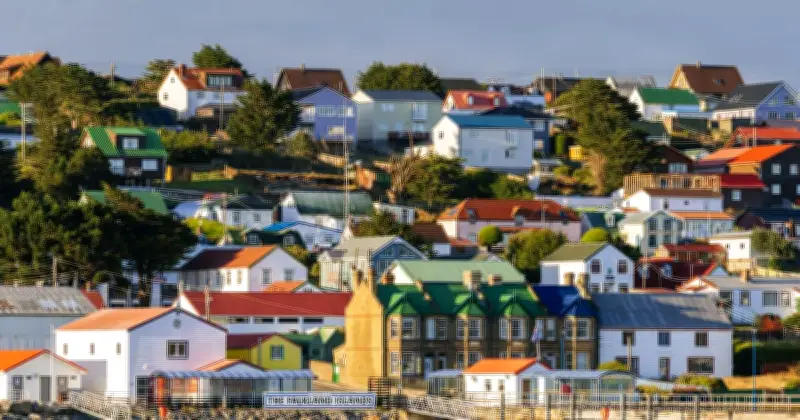
Work has begun on infrastructure for an oilfield 137 miles off the north coast of the Falkland Islands, a project that could transform the territory's economy. The Sea Lion oilfield, operated by Israel's Navitas Petroleum and the UK's Rockhopper, is expected to produce first oil in March 2028, with output reaching up to 50,000 barrels a day by 2032.
Economic Impact on the Falklands
The oilfield could triple the Falkland Islands' income. At peak production, taxes and royalties are estimated to be £80,000 a year for each of the 3,500 residents. The islands have historically relied on the sale of sheep and squid. Stirling Harcus, chair of the Falklands' chamber of commerce, said: "Many have thought this is a white elephant, that it would never happen, but Navitas seems to be pushing through that fatigue. Moving into the production phase will be transformational for the Falklands."
Argentina's Reaction
The plans have caused fury in Argentina, 298 miles away. Britain asserted control over the islands in 1833, but Argentina has long claimed sovereignty, invading in a two-month war in 1982, which Britain won. In a 2013 sovereignty referendum, 99.8% of votes favoured remaining a UK overseas territory. Argentina's right-wing President Javier Milei labelled Sea Lion a "unilateral and illegitimate" attempt to "advance on resources that belong to Argentina".
Local and International Perspectives
Cheryl Roberts, a member of the Falklands' eight-person legislative assembly, argued the islands need "more income". She said: "This is the closest we've ever been." The Foreign, Commonwealth & Development Office stated the Sea Lion project is an "entirely separate and unrelated issue" to defence, adding that the Falklands' natural resources "belong to the overseas territory". However, Grace Livingstone, a historian and lecturer at the University of Cambridge, said that Argentina "may well have a legal case" against the project due to a UN resolution that prohibits "unilateral modifications" of the status quo in the islands.
Context of North Sea Production
This development comes after oil production in the North Sea dropped by 80% since 2000, with the government stalling on new licences.