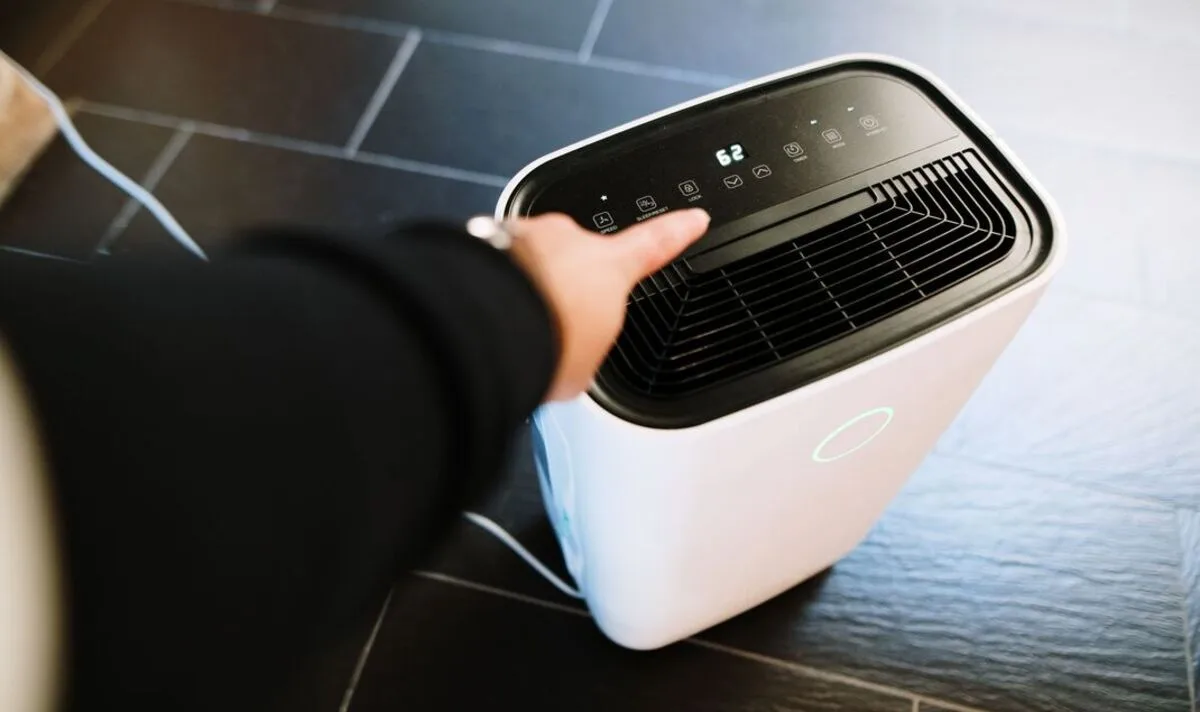
Dehumidifiers are a popular solution for tackling damp and condensation in homes, especially for those drying clothes indoors. According to energy experts at Uswitch, running a dehumidifier for six hours a day costs approximately 8p, making it significantly cheaper than a tumble dryer cycle, which costs around £2.
However, inefficient use can increase energy bills. Chris Michael, founder of Meaco, shares five tips to reduce running costs. He advises monitoring household activities that release moisture, such as showering, cooking, and drying clothes, and using ventilation to lower humidity levels, reducing the dehumidifier's workload.
Improving air circulation is key. Installing extractor fans or opening windows for 20 minutes after bathing or cooking can dramatically decrease humidity. Michael warns that in winter, prolonged window opening introduces cold air, raising heating bills, so short bursts are sufficient.
To maintain efficiency, it is essential to clean the air filter and ensure air vents are clear. The water tank should be emptied regularly—ranging from once every two days to twice daily, depending on conditions. The dehumidifier should be placed on a flat surface, 15-30cm away from walls or furniture, ideally in a hallway outside the bathroom.
Setting the humidistat to 50-55% relative humidity (rh) is optimal; the device will switch off at this level, using less than 0.5 watts. Michael advises against running it at 40-45% rh unless dealing with serious damp problems.