

EV Leasing Offers Major Savings as Fuel Prices Surge
Rising fuel costs are accelerating driver interest in electric vehicles, with fresh analysis indicating that switching to an EV through a lease could save motorists more than £1,300 per year compared to petrol alternatives. The research highlights how volatile oil markets are making electric cars increasingly economical for UK drivers.
Substantial Annual Savings Revealed in Comprehensive Study
Research conducted by the Energy and Climate Intelligence Unit (ECIU) examined the total cost of leasing and operating some of Britain's most popular electric cars, comparing them directly with equivalent petrol models. The study factored in monthly lease payments alongside running expenses including fuel or charging, insurance premiums, and servicing costs.
The findings demonstrate average savings of £4,070 over a standard three-year lease period, equating to just over £1,350 annually. Certain vehicle comparisons revealed even more dramatic differences in operating costs.

- The Tesla Model 3 was calculated to be £4,744 cheaper per year to lease and run than a petrol BMW 3 Series
- A leased Volvo EX30 proved £1,875 annually more economical than a BMW X1
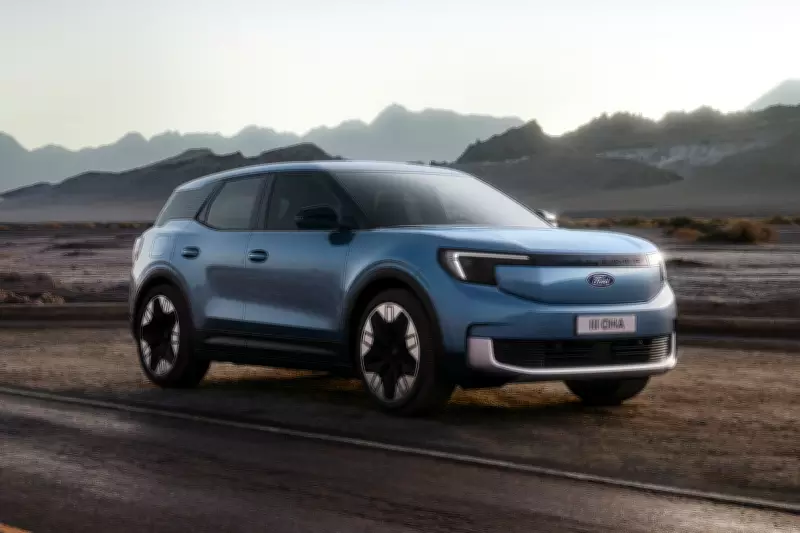
- The electric Ford Explorer showed £1,390 in yearly savings compared to a petrol Ford Kuga
- More modest but still significant savings included £893 per year for the Skoda Enyaq over a petrol Kodiaq
Volatile Oil Markets Driving Fuel Cost Increases
The analysis arrives as global oil markets experience continued instability. With petrol prices climbing from approximately £1.32 per litre to around £1.50, annual fuel expenses for typical drivers have increased from roughly £1,220 to £1,390. More extreme projections suggest that oil prices reaching $150 per barrel could push petrol to £1.90 per litre, elevating yearly fuel costs to approximately £1,760.
Colin Walker, Head of Transport at the ECIU, commented: "The conflict in Iran is once again highlighting the consequences of our dependence on volatile oil markets over which we have little control. Petrol prices are rising significantly, forcing millions of British drivers to pay hundreds of pounds more annually to operate their vehicles."
"Interest in electric vehicles has risen substantially since the conflict began," Walker added. "EVs provide drivers with a practical means to shield themselves from shocks in global energy markets. Leasing represents an increasingly popular pathway for motorists to make this transition, delivering average driving cost savings exceeding £1,350 per year."
Leasing Advantages and Market Dynamics
Unlike purchasing a vehicle outright, leasing eliminates depreciation risks, with drivers simply returning the car at the lease term's conclusion. The ECIU notes this approach is becoming more common among UK motorists seeking access to new vehicles, though it's frequently overlooked in cost comparisons between electric and petrol models.
The analysis also identifies broader market trends contributing to reduced EV costs. Walker explained: "The Government's Zero Emission Vehicle (ZEV) mandate policy is intensifying competition among manufacturers, driving prices downward. As new cars enter the market, this ultimately expands the pool of second-hand electric vehicles available for sale."
"For those not opting for leasing, many consumers purchase through the second-hand market where EVs offer substantial savings over their petrol equivalents," Walker continued.
The International Energy Agency has previously acknowledged that the UK's ZEV mandate is helping fuel an EV sales surge, with manufacturers competing to meet targets through more attractive pricing strategies.
Policy Stability Crucial for Continued Progress
However, the ECIU cautions that any policy reversal could hinder this momentum. Walker emphasized: "Any U-turn on the ZEV mandate could weaken this dynamic during an ongoing energy crisis, slowing Britain's transition to electric vehicles that reduce oil dependence and better protect drivers from global energy market shocks."

"Such a reversal could also undermine the UK's position as a frontrunner in the global EV transition," he warned. "It would introduce regulatory uncertainty at a critical juncture in the British automotive industry's shift toward manufacturing the vehicles upon which its future viability depends."
Additional analysis within the report suggests significant stakes for the UK automotive sector. Failure to transition successfully to EV production could result in substantial economic output and job losses, while a successful shift promises to boost both growth and employment opportunities across the industry.





