

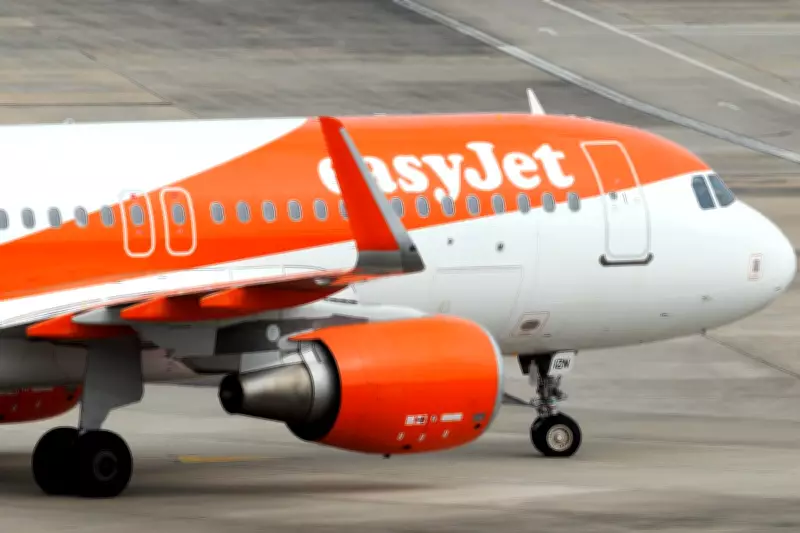
EU to Release Jet Fuel Reserves as Iran Crisis Threatens Summer Air Travel
The European Union is preparing to coordinate a strategic release of jet fuel stocks in response to escalating tensions in the Middle East, which are severely disrupting supplies and threatening to derail summer holiday plans across the continent. This move comes after urgent warnings from European airlines and regulators, who have highlighted the risk of widespread flight cancellations, grounded aircraft, and significant operational upheaval if the current bottlenecks in jet fuel supply from the Middle East are not alleviated promptly.
Immediate Threats to Aviation and Travel
Airlines and regulatory bodies have issued stark cautions about the potential for severe disruptions to air travel this summer. The crisis stems from the escalating conflict between the US, Israel, and Iran, which has led to dramatic surges in jet fuel prices. Prices have skyrocketed from approximately $85 to $90 per barrel to a staggering $150 to $200 per barrel, placing immense pressure on airline operating expenses and threatening to push flight prices even higher for consumers.
Travel expert Simon Calder has weighed in on the situation, explaining how the Middle East conflict could exacerbate costs for travelers, potentially leading to cancelled holidays and increased fares. The head of the International Energy Agency has issued a dire warning, stating that Europe has only about six weeks of jet fuel supply remaining. This shortfall predicts that flight cancellations will begin imminently if the Strait of Hormuz, a critical shipping route, remains closed or severely restricted.

Geopolitical Tensions and Supply Chain Disruptions
Iran temporarily reopened the Strait of Hormuz for commercial shipping, but the situation remains volatile. U.S. President Donald Trump has declared that a naval blockade of Iran's ports will persist until a new deal with Tehran is negotiated, further complicating the flow of essential fuels. This geopolitical standoff has created significant bottlenecks in the supply chain, with jet fuel being a primary casualty.
The EU's planned release of jet fuel stocks is aimed at mitigating these disruptions and ensuring that airlines can maintain operations during the peak summer travel season. By coordinating this effort, the EU hopes to prevent the worst-case scenarios of grounded fleets and cancelled flights, which would have profound economic and social impacts on travelers and the aviation industry alike.
Broader Implications for Energy and Travel Markets
This crisis underscores the fragile nature of global energy supplies and their direct impact on everyday activities like air travel. The surge in jet fuel prices not only affects airline profitability but also trickles down to consumers, potentially making summer holidays unaffordable for many. The EU's intervention highlights the importance of strategic reserves in times of geopolitical instability, serving as a buffer against market shocks.
As the situation evolves, stakeholders will be closely monitoring developments in the Middle East and the effectiveness of the EU's stock release. The outcome could set a precedent for how international bodies respond to similar crises in the future, balancing energy security with the needs of the travel and tourism sectors.






