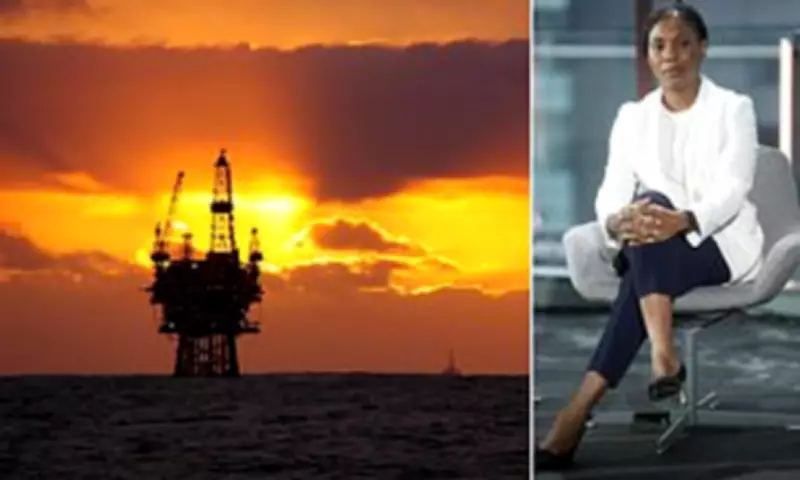
Conservative Party leader Kemi Badenoch will today unveil a comprehensive energy strategy designed to save British households approximately £200 per year on their energy bills. The announcement comes during her campaign visit to Aberdeen, where she is promoting a 'Get Britain Drilling' initiative to bolster domestic oil and gas production.
The Conservative Cheap Power Plan
Mrs Badenoch's Cheap Power Plan is positioned as a direct alternative to what she describes as Labour's 'appalling' approach, which she claims would squeeze middle-class workers to subsidise benefit recipients. The Tory proposal includes three key financial measures aimed at reducing household energy costs.
Specific Savings Breakdown
Under the Conservative energy blueprint, VAT would be completely removed from energy bills, providing an estimated annual saving of £94 for the average household. Additionally, the Carbon Tax would be axed, saving households approximately £75 per year, while windfarm subsidies would be discontinued to save a further £22 annually.

'Only the Conservatives have the plans and the team to deliver cheap energy, a stronger economy and a stronger country,' declared Mrs Badenoch, who will be accompanied by Scottish Tory leader Russell Findlay during her Aberdeen visit.
North Sea Drilling Revival
The Conservative leader will also urge the UK Government to restart oil and gas drilling operations in the North Sea. This push comes amid growing concerns that the ongoing conflict in Iran could trigger significant price spikes and potential fuel shortages across Britain.
Mr Findlay emphasised that his party's proposals 'would protect oil and gas jobs, boost the Scottish economy and bring down people's bills,' highlighting the dual economic and energy security benefits of the plan.
Swinney's Counter-Demand for Energy Powers
Meanwhile, Scottish First Minister John Swinney is preparing to demand that Westminster transfer control of energy policy to Holyrood. This demand comes despite the Scottish National Party having failed to produce a comprehensive energy strategy for three consecutive years.
SNP ministers notably refused to establish a final position on North Sea oil and gas drilling last week, despite having promised such a policy since 2023. This hesitation appears driven by fears of angering voters on both sides of the energy debate.
Independence Connection
Despite these policy delays, Mr Swinney will use a visit to Peterhead to demand immediate energy powers 'on day one' if the SNP achieves a parliamentary majority. 'I want to begin the journey to independence with the immediate transfer of powers over our energy,' the First Minister stated.
Political Reactions and Criticism
The Conservatives have dismissed Mr Swinney's demands as 'whipping up more Nationalist grievance' rather than offering substantive policy solutions. Scottish Tory energy spokesman Douglas Lumsden criticised the SNP's approach, stating: 'Instead of whipping up more Nationalist grievance, John Swinney should ditch his failing energy policy and support plans that protect jobs and grow Scotland's economy.'
The contrasting approaches highlight the deepening political divide over energy policy, with the Conservatives focusing on immediate consumer savings through tax cuts and domestic production, while the SNP emphasises constitutional control despite their own policy development challenges.