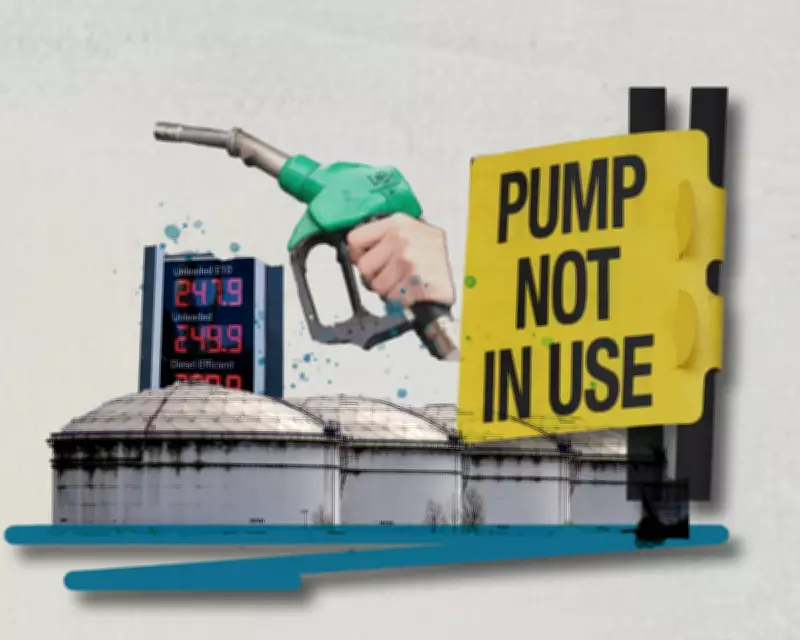
Australia is grappling with a deepening fuel crisis that has sent petrol and diesel prices soaring to alarming levels across the nation. This surge is driven by a combination of acute shortages and rapidly depleting oil reserves, sparking widespread concern among consumers and industry experts alike.
Escalating Prices and Shortage Concerns
Recent data from newly implemented fuel price trackers reveals a sharp and sustained increase in the cost of both petrol and diesel. These trackers, designed to provide real-time monitoring, show that prices have climbed significantly over the past weeks, with some regions experiencing hikes of over 20%. The crisis is not limited to urban centres; rural and remote areas are also feeling the pinch, where fuel availability has become increasingly sporadic.
Root Causes of the Fuel Shortage
The fuel shortage stems from multiple factors, including disruptions in global supply chains and domestic production issues. Australia's reliance on imported oil has left it vulnerable to international market fluctuations, while local reserves have failed to keep pace with demand. Additionally, logistical challenges and refinery closures have exacerbated the situation, leading to a perfect storm of scarcity and rising costs.

Experts warn that without immediate intervention, the crisis could worsen, impacting everything from transportation and logistics to everyday commuting. The government is under pressure to address the issue, with calls for increased investment in oil reserves and more robust emergency plans.
Impact on Consumers and the Economy
The soaring fuel prices are having a ripple effect across the Australian economy. Households are facing higher costs for travel and goods, as businesses pass on increased transportation expenses. This inflationary pressure is particularly concerning given the broader economic climate, potentially stifling growth and consumer spending.
In response, some consumers are turning to alternative transport methods or reducing non-essential travel, but for many, especially in car-dependent regions, options are limited. The crisis has also highlighted the need for greater energy security and diversification, with renewable energy sources being touted as a long-term solution.
Monitoring and Future Outlook
Fuel price trackers are now essential tools for Australians seeking to navigate the volatile market. These charts and graphs provide up-to-date information on price trends, helping consumers make informed decisions. However, they also underscore the severity of the situation, with no immediate relief in sight.
Looking ahead, analysts predict that fuel prices may continue to rise unless significant measures are taken to bolster reserves and stabilise supply. The crisis serves as a stark reminder of Australia's energy vulnerabilities and the urgent need for strategic planning to prevent future shortages.
As the situation evolves, stakeholders from government to industry must collaborate to mitigate the impact and ensure a more resilient fuel infrastructure for the future.