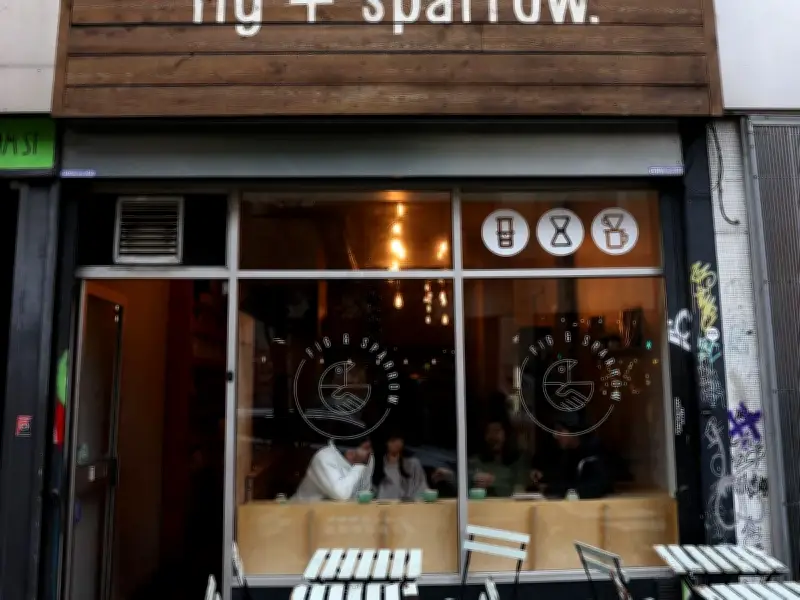
More than 100 people queued outside Fig & Sparrow, a coffee shop on Oldham Street in Manchester's Northern Quarter, hoping to secure a part-time barista role. The in-person recruitment event came after hundreds of emails and CVs were submitted for a similar vacancy just months earlier.
The turnout highlights the growing demand for jobs in hospitality, with applicants prepared for face-to-face interviews on the spot. While this approach gives employers a better chance of getting to know candidates and avoiding AI-generated CVs, it raises questions about why so many people are competing for a single part-time role.
Cost pressures on hospitality employers
This is not the first time a role like this has attracted such interest. Ahead of the Autumn Budget, operators, publicans and restaurateurs have been speaking about their concerns for the industry and what they hope for in Chancellor John Healey's first statement.
Many are urging the Chancellor to lower VAT from 20 percent to a level comparable to the rest of the continent, as part of the wider #VATsTheProblem campaign spearheaded by UKHospitality and chef Tom Kerridge. Others have discussed how higher wage bills have made it difficult to keep current staff and employ the next generation of workers.
For small independent businesses, rising wage costs can be a huge burden, especially over the last few years. Many have told us they take pride in hiring young staff and training them up, but rising costs mean they are not always able to hire new staff.
Impact of NIC and wage increases
According to UKHospitality, the combined increases to employer National Insurance Contributions (NICs) and the National Living Wage (NLW) / National Minimum Wage (NMW) have added at least £2,500 per year to the cost of employing a full-time worker in the sector, resulting in an estimated £3.4bn in total annual sector-wide cost pressures.
The employer NIC rate has increased from 13.8 percent to 15 percent, and the secondary threshold where employers start paying NICs dropped from £9,100 to £5,000 per year in April 2025. This means part-time and casual staff working roughly 7 to 8 hours a week now trigger employer NIC liabilities, a 75% tax rate jump for entry-level part-time shifts.
The National Living Wage rose to £12.71 per hour (for workers aged 21 and over) in April 2026, while the voluntary Real Living Wage increased to £14.10 per hour across the UK. While this is a positive step for workers and supported by many businesses, it is another cost employers must factor in, along with rising energy bills and food and drink costs.
Effects on employment and youth
Currently, 70 percent of businesses are reducing employment or halting new recruitment, while 33 percent are cutting trading hours or reducing the number of service days in a week. Meanwhile, 15 percent report site closures or insolvency risk.
Bars, hotels, and restaurants have reported being unable to afford entry-level roles or expand apprenticeships for 16–24 year-olds, worsening youth employment challenges. Yet there is overwhelming demand for part-time work, and the massive turnout for the Fig & Sparrow role shows the huge competition for entry-level and hospitality roles, often one of the main gateways into working for younger people.
Youth unemployment was called an 'economic catastrophe and a moral failure' by Prime Minister Andy Burnham earlier this month, who pledged action to get young people off benefits and into work. Writing in The Times, he laid out a case for the Government to "invest in the success of young people" rather than "pay for failure through the benefits system".
An estimated 981,000 young people aged 16 to 24 in the UK were not in education, employment or training (Neet) between April and June this year, according to the latest Office for National Statistics figures, around one-in-eight people in that age group. It was also reported last week that Britain's jobless rate has fallen to the lowest level in more than a year, but the number of vacancies available to workers saw its biggest decline since the start of the year.
Hospitality's rising stars, leaders under 30, issued a joint statement alongside UKHospitality urging the government to reduce employment costs, protect entry-level jobs, and provide career and development opportunities. In the statement, they call hospitality the 'ultimate meritocracy' that provides 'incredible opportunities', but warned how cost challenges are impacting those opportunities.
In Manchester, the co-founder of Nell's, Charlotte Heyes, recently launched a campaign to help create more jobs and support young people getting into work. Hospitality operators across Greater Manchester and Salford are being urged to sign up to Lenny, a new jobs-matching platform designed to get 14–17 year olds back into the industry. The scheme is named after Lenny, Charlotte's 14-year-old son, whose own Saturday shifts at Nell's in Chorlton convinced her something bigger needed to exist.
The government's Milburn Review into youth unemployment found that hospitality, historically one of the biggest gateways into work for young people, has seen vacancies fall by around half in just four years, driven in large part by the rising cost and risk of hiring. The review also warned that the "first rung" of the labour market has all but disappeared: fewer entry-level roles, more demanding recruitment processes, and a steep decline in early, low-stakes work experience.