Veterans Express Shock and Anger Over VA's Proposed 'Shed' Housing for Homeless Ex-Service Members
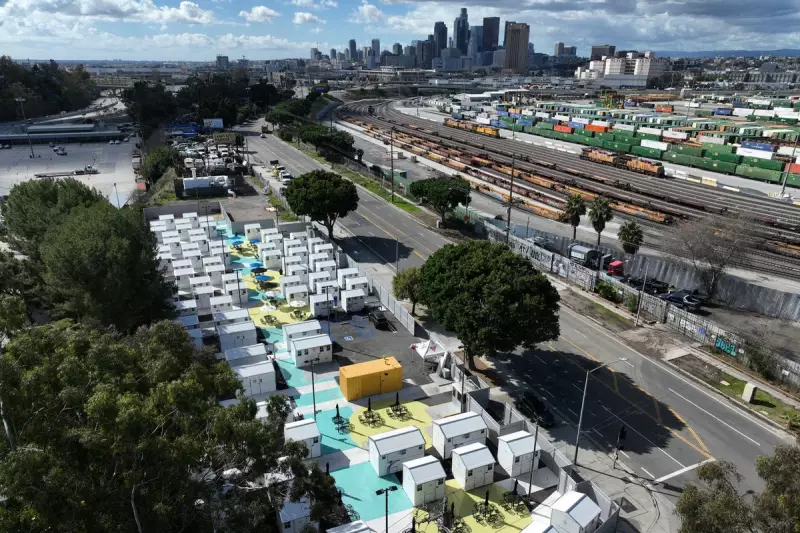
The U.S. Department of Veterans Affairs has ignited a firestorm of controversy with its recent proposal to construct hundreds of so-called "tiny homes" on its West Los Angeles campus. These structures, measuring just 8-by-8 feet, have been derided by campaigners and veterans alike as little more than sheds, sparking widespread outrage among those who served their country.
Legal Battle and Housing Shortfall
This contentious move follows a successful lawsuit by veterans that compelled the VA to expand housing on the site. While intended to address the critical issue of homelessness among ex-service members, the plan has been sharply criticised for offering only temporary accommodation. VA officials presented the proposal during a court hearing this week, framing the small structures as an initial step toward meeting a federal order that mandates the creation of thousands of new temporary and permanent housing units for unhoused veterans.
However, the veterans who initiated the lawsuit argue that the proposal falls dramatically short of their expectations. Roman Silberfeld, one of their attorneys, highlighted a significant "disconnect" between the plaintiffs' requests and the VA's current plans, noting that the discussion of "sheds" was never part of their original vision, as reported by the LA Times.

Criticism of Temporary Structures
The VA has already installed over 100 of these 8-by-8-foot units on the campus to house veterans previously living in a nearby encampment. Yet, these quick-build shelters have long faced criticism for being cramped, difficult for individuals with mobility issues to navigate, and unsuitable for long-term residence. VA counsel Robert Fleck informed the court that the agency has sufficient funding to complete the temporary housing by year's end but lacks resources for permanent solutions, according to The Times.
Iraq War veteran Rob Reynolds, representing several plaintiffs, voiced strong opposition, stating, "I don't think that's suitable at all." He contends that the VA should prioritise building proper housing instead of relying on what he describes as makeshift solutions.
Broader Campus Use Dispute
This dispute highlights a larger conflict over the utilisation of the VA's 388-acre West Los Angeles campus. Much of this land has been leased to external organisations for decades, a practice the lawsuit also aims to terminate. Originally donated in 1888 to serve as a home for disabled soldiers, the campus's enormous size contrasts starkly with Los Angeles now having the largest population of homeless veterans in the country, a contradiction that has fueled years of anger and scrutiny.
Leases have included athletic facilities for the private Brentwood School and UCLA's baseball stadium, uses that veterans and campaigners argue violate the site's original purpose. Under mounting political and legal pressure, the VA established a cluster of temporary tiny-home shelters on a parking lot within the gates, intended to move veterans off nearby sidewalks. However, when these units fill up, veterans are placed in overflow beds when available, creating what critics describe as "a stopgap system" rather than a genuine housing solution, as noted in an NPR report.
Executive Order and Future Concerns
In May 2025, former President Trump issued an executive order requiring the VA to build a "National Center for Warrior Independence" on the campus with housing for 6,000 veterans. This figure is estimated to be twice the current need, raising concerns that the site might be used to house homeless veterans from across the nation, potentially leading to what critics fear could result in the "ghettoisation" of veterans.
VA officials have indicated that the timeframe for achieving this 6,000-person target remains unclear, with no explicit indication of whether the executive order mandates rehoming 6,000 individuals simultaneously or over an extended period. This ambiguity adds to the uncertainty and frustration surrounding the VA's long-term housing strategy for those who have served.