US Commute Times Lengthen to 27.2 Minutes as Housing Costs and Office Returns Bite
US Commute Times Hit 27.2 Minutes Amid Housing and Office Pressures

US Commute Times Lengthen to 27.2 Minutes as Housing Costs and Office Returns Bite

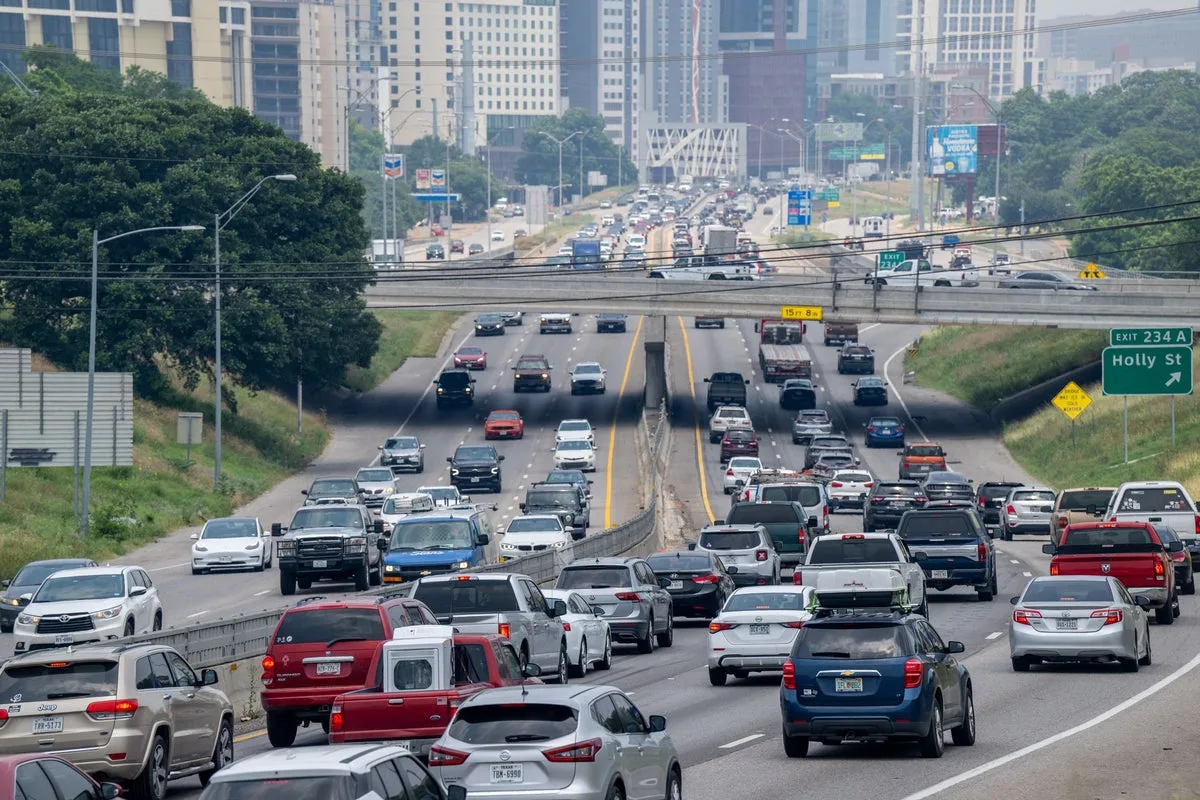
The average one-way commute time for American workers has climbed to 27.2 minutes in 2024, marking a significant increase from recent years and edging close to pre-pandemic levels. This rise translates to an average daily round trip of just over 54 minutes, accumulating to an extra 4.5 hours per week for those commuting in-person daily. Over a year, this amounts to hundreds of hours lost to travel, cutting into personal time and family life.

Post-Pandemic Reversal and Office Mandates

During the COVID-19 pandemic in 2021, commute times dropped to a ten-year low of 25.6 minutes as remote work became widespread. However, the trend has sharply reversed, with the 2024 figure up from 26.8 minutes in 2023 and nearing the 2019 average of 27.6 minutes. Experts attribute this jump largely to return-to-office mandates, which have forced many employees back into hybrid or full-time in-person arrangements.

Dr. Fariba Siddiq, an assistant professor at Florida State University's Department of Urban and Regional Planning, confirms that "return-to-office mandates are a main driver", leading to increased road congestion compared to 2020-2021. A survey from August 2025 highlights worker discontent, with 55% of full-time in-person employees willing to take a pay cut for permanent remote or hybrid work options.

Wide Pickt banner — collaborative shopping lists app for Telegram, phone mockup with grocery list

Housing Affordability Crisis Extends Commutes

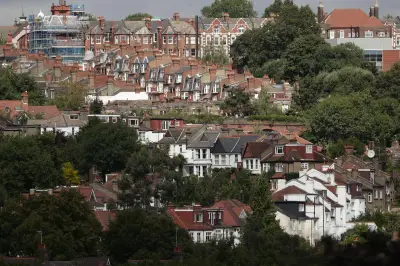
Another critical factor is the housing affordability crisis. As home prices soar, particularly near job centers, workers are pushed to more distant, affordable areas. Between 2019 and 2024, the national median price of a single-family home surged by 48%, while median income rose only 22%, according to a Harvard University report. This disparity forces longer searches for qualifying mortgages, extending commute distances.

A study in the Journal of Real Estate Finance and Economics found that homeowners' commutes are about 6.9% longer than renters', with Professor Zhenguo Lin noting that "people keep driving until they qualify for a mortgage". The impact is most severe for lower-income households, minorities, and those in metropolitan areas, who have fewer resources for down payments and often end up on the urban fringe with lengthier travel times.

Broader Implications and Business Adjustments

Public concern is mounting, with 62% of U.S. adults "very concerned" about housing costs, per a Pew Research Center survey. The cumulative effect of longer commutes not only strains work-life balance but also contributes to environmental and economic pressures. In response, some businesses are adapting; for instance, Texas real estate firm Colliers plans to relocate its office to reduce employee commute times by moving closer to where staff live.

As commute times continue to rise, the interplay between corporate policies, housing markets, and urban planning remains a pivotal issue for American workers, highlighting the ongoing challenges in balancing affordability, accessibility, and quality of life.

Pickt after-article banner — collaborative shopping lists app with family illustration