

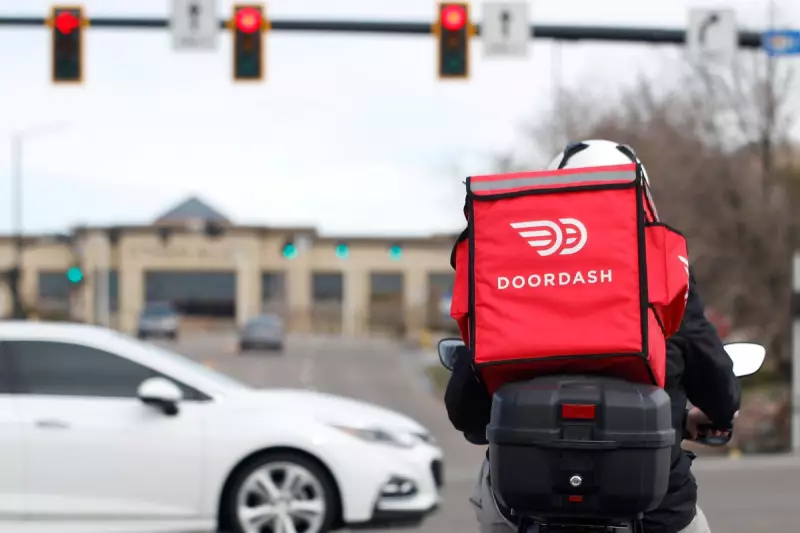
Food delivery couriers in New York City have seen a staggering collapse in customer gratuities, with average tips per order now standing at a mere 76 cents. This dramatic decline follows significant alterations to the checkout process on major delivery platforms.
The Tip Collapse: A $550 Million Shortfall
Since 2023, tips for delivery workers in the city have dropped by over $550 million. The drastic reduction, reported on Saturday 17 January 2026, is directly linked to changes made by apps like DoorDash and Uber Eats. These platforms modified their interfaces, making it notably harder for customers to leave a tip after the enforcement of a minimum pay rate for couriers began.
This shift means New Yorkers are now tipping roughly $3 less per order than they were just a few years ago. The change in digital user experience has had a tangible and severe impact on the income drivers derive from customer appreciation.

Regulatory Response and Legal Pushback
In response to the tipping crisis, New York City's Department of Consumer and Worker Protection (DCWP) has introduced new amendments. From 26 January, delivery apps will be legally required to provide customers with a clear option to tip during the checkout process.
The city estimates this regulatory change could boost delivery worker earnings by $390 million annually. However, the move has sparked immediate legal challenges. Both DoorDash and Uber have initiated lawsuits against the city, contesting the new requirements.
Higher Base Pay, But Vanishing Tips
Interestingly, the overall pay for couriers has increased despite the tip decline. Since the city began enforcing a minimum pay rate of $21.44 per hour last spring, total courier pay has risen by $1.2 billion. This highlights a complex trade-off in the gig economy: while guaranteed earnings have gone up, the voluntary customer-led component of income has sharply fallen.
The situation presents a critical moment for the regulation of platform work, balancing baseline pay guarantees with the preservation of customary tipping culture. The outcome of the impending legal battles and the impact of the January rule change will be closely watched by gig workers and regulators far beyond New York.






