As the UK reaches the halfway point of 2026, millions of households are feeling increased cost of living pressures amid economic uncertainty. The US-Iran war has disrupted global oil trade, driving up prices for essentials like energy and food, with fears the impact could persist beyond 2026.
Inflation fell to 2.8% in April, down from 3.3% in March, but experts warn of a potential spike to 4% by year-end. According to the Cost of Living Action group, 63% of Britons have cut back on essentials, while the Resolution Foundation reports that 55% of households in poverty contain at least one working person.
Around 24 million people in the UK claim benefits administered by the Department for Work and Pensions (DWP), including state pension recipients. However, Policy in Practice estimates £24bn in benefits goes unclaimed annually. Households are urged to check their entitlement using online calculators.
In April 2026, universal credit claimants received a 6.2% above-inflation boost to the standard allowance, raising weekly payments to £98 for single people over 25 and £154 for couples. Most other benefits, including PIP and carer's allowance, increased by 3.8% in line with September's inflation rate. However, the health-related element of universal credit for new claimants was cut from £105 to £50 per week, with existing claimants' rates frozen until 2029.
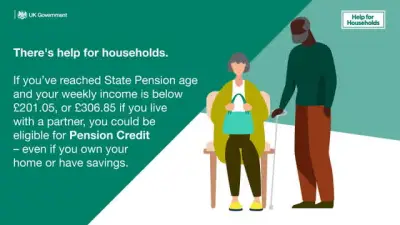
The state pension rose by 4.8% in April, bringing the weekly amount to £241.05. Additionally, Labour's new 'Crisis and Resilience Fund' has replaced the household support fund, offering crisis payments to low-income households facing financial shocks. Councils retain discretion over eligibility criteria.
Benefit payments in June will proceed as usual with no bank holidays affecting schedules. The DWP is continuing to migrate legacy benefits to universal credit, with employment and support allowance and housing benefit expected to close by the end of summer 2026.