MPs Demand SFO Probe into 'Catastrophic' UK Insulation Schemes
MPs Demand SFO Probe into UK Insulation Scandal

MPs Demand Serious Fraud Office Investigation into 'Catastrophic' UK Insulation Schemes

Members of Parliament have issued a formal call for the Serious Fraud Office to launch a comprehensive investigation into the UK's home insulation sector. This follows what they describe as a "clear and catastrophic failure" of two major government-backed schemes, which have left tens of thousands of households facing ruined properties, significant financial losses, and prolonged disruption.

Scale of the Damage and Defects

The fallout from these initiatives has been severe, with more than 30,000 households left contending with defects in their homes. Many of these issues are serious, including widespread mould problems, water ingress, and substantial damage to the structural fabric of walls. Alarmingly, approximately 3,000 dwellings were found to be so badly compromised that they presented immediate health and safety risks to their occupants.

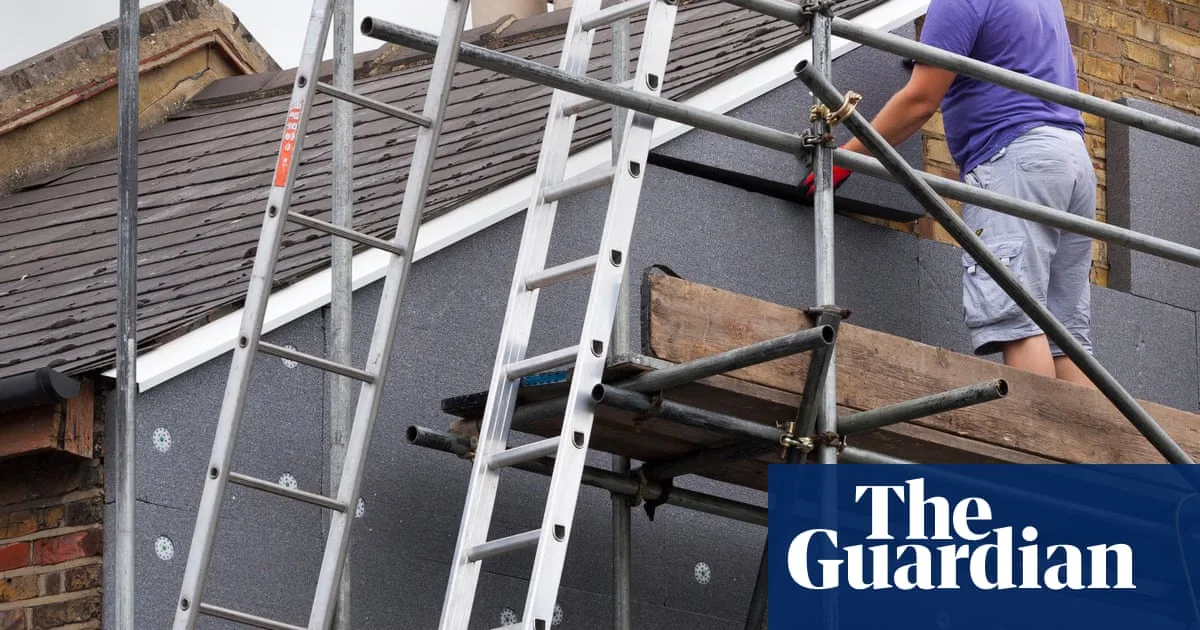
Households that opted for external cladding installations bore the brunt of the damage. Of the roughly 23,000 homes fitted with this measure, a staggering 98% were damaged and require repair. Furthermore, 29% of properties that had internal wall insulation installed also suffered significant defects.

The Schemes in Question and Political Fallout

The problematic programmes, known as Eco4 and the Great British Insulation Scheme, were initiated and predominantly operated under the last Conservative government. These schemes formed part of the broader Energy Company Obligation, which has since been scrapped by the Labour administration. A new initiative, the Warm Homes Plan announced this week, is set to take over. This plan will fund the installation of solar panels and heat pumps alongside insulation measures.

In a damning report published on Friday, the Public Accounts Committee of MPs did not mince words. The committee recommended not only an SFO investigation into Eco4 but also a complete overhaul of how the government manages home insulation projects. Geoffrey Clifton-Brown, the committee chair, stated unequivocally: "[This] amounts to the most catastrophic fiasco that I have seen on this committee. The project was doomed to failure from the start."

Systemic Failures and Lack of Accountability

Clifton-Brown attributed the disaster to a fragmented operational model, where responsibility was shared among several organisations that failed to communicate effectively. He also highlighted a critical failure to intervene when problems first began to surface. "Potentially thousands of people are now living with health and safety risks in their homes," he warned, adding that there is insufficient assurance that affected households are not facing unaffordable repair bills.

The MPs' report concluded that Eco4 resulted in "the worst rate of failure" witnessed by the chair in his approximately 12 years on the committee. They placed blame squarely on the Department for Energy Security and Net Zero and other government agencies for being "far too slow to act" as the crisis unfolded.

The Human and Financial Cost

The schemes were designed to provide subsidised home insulation to vulnerable people and those on low incomes, funded through additions to national energy bills. Work was supposed to be covered by guarantees from insulation companies. However, the collapse of some firms has left many homeowners struggling to get the damage rectified.

While most repair bills range from £250 to around £18,000, the committee uncovered one extreme case where costs exceeded £250,000. Despite a government "find and fix" strategy, progress has been painfully slow. By last October, when the National Audit Office examined the issue, only about 3,000 homes had been repaired.

Jonathan Bean, spokesperson for the charity Fuel Poverty Action, emphasised the urgent need for action: "Ministers need to focus on fixing the already damaged homes and ending the suffering of tens of thousands of often vulnerable people who live in them. Victims of botched retrofits are sick of vague promises – what they want is a public inquiry into this scandal and a guarantee their homes will be fixed."

Broader Implications and Policy Shifts

The scandal has broader implications for the UK's environmental targets. Under its new Warm Homes Plan, the government has also reduced its annual target for heat pump installations from 600,000 to 450,000. Some experts warn this adjustment could jeopardise the UK's ability to meet its statutory carbon emission reduction goals.

The government has rejected this concern. A spokesperson stated: "We have set a fully realisable target for heat pump installations, supported by the necessary funding and enabling policies. We will set out our seventh carbon budget by June 2026, in line with our statutory duties."

Nevertheless, the legacy of the insulation schemes has severely shaken public confidence in government-led retrofit programmes, leaving a costly and complex problem for the current administration to resolve.