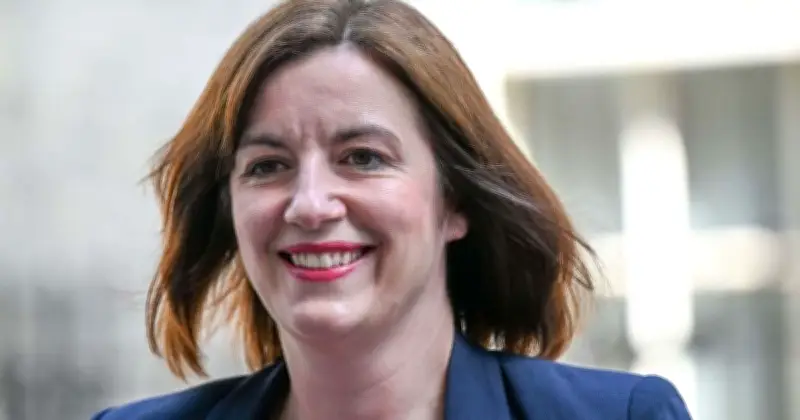
The Labour Party is facing sharp criticism after Education Secretary Bridget Phillipson proposed extending free childcare to unemployed parents, a plan critics say wastes taxpayer money on a non-existent problem. With taxes at record highs and the economy struggling, the proposal has been labeled an insult to working families.
Proposal Details and Justification
Phillipson argued that families where parents are not working often cannot afford childcare, which prevents them from seeking employment and denies children quality early education. She said: “By extending government-funded childcare into these communities, not only would we be supporting parents into work, not only would we be supporting disadvantaged children with quality early years, but we would no longer be cutting off these families from society, no longer fostering disengagement and detachment.”
Currently, free childcare for children aged nine months to four years is available only when both parents are in work. Campaigners claim this excludes about one million parents, many of whom are among the most disadvantaged. Phillipson said the policy would help prevent young people from becoming NEETs (not in employment, education or training) and that Labour aims for “truly comprehensive education” with equal access to childcare for all families.
Cost and Criticism
The universal childcare offer is estimated to cost up to £15 billion, funded by taxpayers. Critics argue this forces working parents to subsidize childcare for those who do not work. The article describes the plan as “an astonishing insult” and evidence that Labour “is not only contemptuous of Britain’s strivers but also wants to create a dependency class.”
The government already provides free breakfasts and teaches tooth-brushing in schools, and offers unemployed parents discounted entry to major attractions—for example, a family of four can visit the Tower of London for £4 instead of the usual £111. Opponents say such policies erode personal responsibility and trap families in welfare dependency.
Welfare Dependency Concerns
Research by the Centre for Social Justice (CSJ) found that a three-child family in work needs £71,000 a year before tax to match the income of an equivalent jobless family. The CSJ warned that scrapping the two-child benefit cap and failing to reform welfare has created “deeply perverse incentives.” The number of children in workless households has risen to 1.5 million, the fastest increase on record.
CSJ chairman Iain Duncan Smith said: “Taking money from those who work hard to give to those who work not, is bad economics and bad politics.” He argued that increasing benefits does not address the root causes of poverty, a concept Labour “seems unable to grasp.”
Disability Benefits Spending
Social security minister Stephen Timms published an interim report finding that Personal Independence Payment (PIP) is “not fit for purpose,” yet the PIP bill is set to reach £41 billion by the end of the decade. Timms told the BBC: “My view is the current level of spending is not a great concern.” The article criticizes Labour for refusing to cut the benefits bill, which contributed to the downfall of a previous prime minister.
The piece concludes that Labour is failing both the people it aims to help and taxpayers, and that creating dependency is not compassion.