

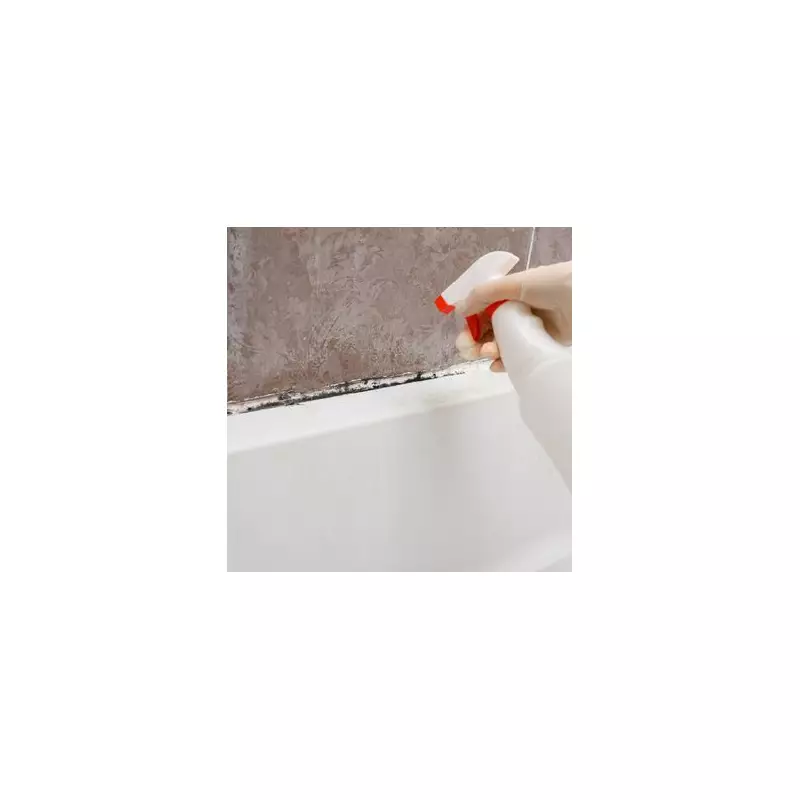
For many homeowners across the UK, the persistent sight of black mould creeping across bathroom grout is a familiar and frustrating battle. The warm, damp environment of a shower creates the perfect breeding ground for these unsightly and unhygienic spores. Despite rigorous scrubbing, the problem often returns, leaving many to wonder if there's a truly effective solution.
The Expert-Approved Solution for Stubborn Mould
Seeking professional advice, experts were consulted on the most reliable method to tackle this common household issue. Surprisingly, the popular recommendation of white vinegar was not their top choice. Instead, a consensus emerged around a different, highly versatile cleaning agent: hydrogen peroxide.
This natural bleaching substance, commonly available in a 3% concentration from chemists, is safe for home use and works by breaking down the cellular structure of mould on hard surfaces like tiles. Property maintenance specialist Alex Morrissey, founder of Best Roofers, advocates for this bleach-free approach. He recommends applying 3% hydrogen peroxide directly to the grout, allowing it to sit for 10 to 15 minutes, then scrubbing with a stiff nylon brush and rinsing thoroughly.

How to Tackle the Toughest Stains
For more ingrained, stubborn staining, Morrissey suggests creating a powerful paste. Mix bicarbonate of soda with the 3% hydrogen peroxide, work it into the grout lines, leave it for another 10 minutes, then scrub and rinse. This process may need repeating until the grey or black discolouration fully lifts.
Echoing this advice, Nigel Bearman, a home cleaning expert at Daily Poppins, hailed hydrogen peroxide as "the most effective" alternative to bleach. He cautions that while bleach can whiten the surface, it often fails to penetrate porous grout, meaning the mould returns swiftly. Hydrogen peroxide, however, penetrates deeply, attacking the root of the problem rather than just the surface appearance.
Preparation is Key for Perfect Results
Before applying any treatment, proper preparation is crucial for success. Alex Morrissey emphasises the importance of removing any soap scum, water residue, or debris first. "Results are usually better when the soap film is stripped off first," he advises, "because oxidisers can reach the mould rather than sitting on residue." A preliminary clean with a mild bathroom cleaner or a few drops of washing-up liquid in warm water, followed by a rinse, will set the stage for the hydrogen peroxide to work effectively.
Another potent option recommended by professionals is oxygen bleach powder, often sold as a laundry booster. Lee Keat, founder of Vapor Clean LTD, notes that when mixed into a paste and applied to grout lines, it breaks down organic stains without the aggressive fumes associated with traditional bleach. The paste should be left on for around 15 minutes before scrubbing and rinsing well.
How to Prevent Mould from Coming Back
Once the mould is banished, prevention is the next vital step. Brian Toward, bathroom expert and CEO of Wholesale Domestic, highlights two essential practices. First, adequate ventilation is paramount. Always use an extractor fan or open a window during and after showers to reduce humidity. Secondly, make a habit of wiping down tiles, grout, and sealant with a dry cloth or squeegee after bathing or showering to remove excess moisture. By managing humidity and moisture, you can stop mould from gaining a foothold in the first place, ensuring your bathroom stays cleaner for longer.






