

In a significant move for millions of retirees, HM Revenue & Customs (HMRC) has provided crucial new details on a major tax change that will affect those who rely solely on the state pension. The policy, first announced by Chancellor Rachel Reeves in the Autumn Budget, aims to prevent hundreds of thousands of pensioners from having to pay small amounts of income tax.
The Budget Pledge and the Looming Threshold
The Government has pledged that from the 2027-28 tax year, individuals whose sole income is the basic or new State Pension will not have to pay tax via simple assessment if their pension exceeds the Personal Allowance. Currently, the tax-free Personal Allowance is set at £12,570 per year.
However, the full new state pension is on a collision course with this threshold. As of now, the weekly payment is £230.25, amounting to £11,973 annually. From next April, a 4.8% increase under the triple lock will push this to £241.30 per week, or £12,547.60 per year. This leaves a mere £22.40 of the allowance unused.

Given the triple lock guarantee, the full new state pension is projected to definitively surpass the Personal Allowance from April 2027. This would, under current rules, automatically trigger income tax bills for those for whom it is their only income.
HMRC Grilled on Practical Implementation
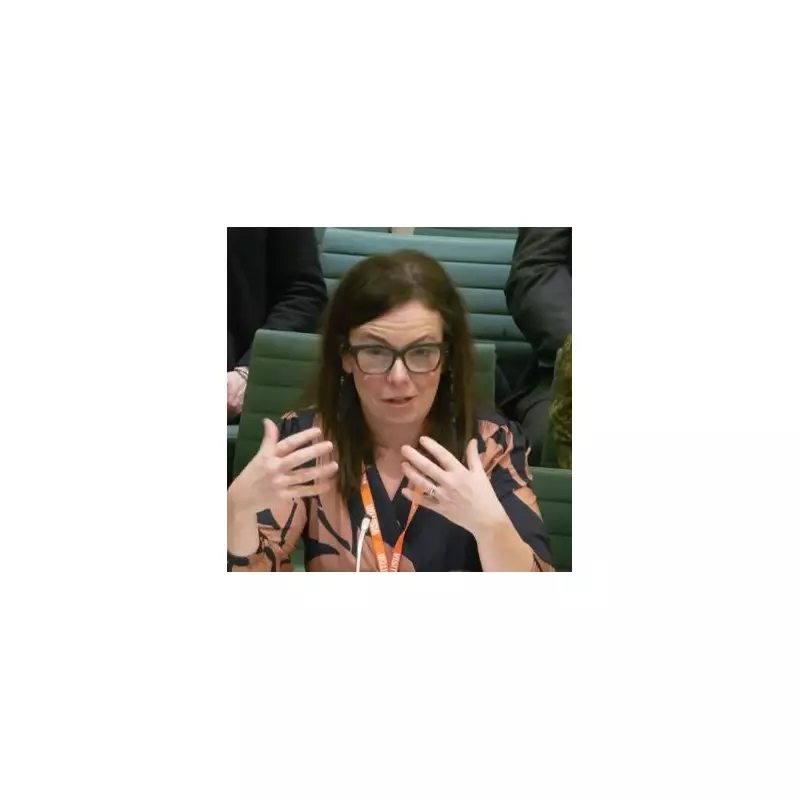
This week, HMRC officials faced intense questioning from the Treasury Committee on how this sweeping change will work in practice. Cerys McDonald, HMRC's Director of Individuals Policy, revealed that there are an estimated 800,000 to one million pensioners whose income comes exclusively from the state pension.
McDonald confirmed that new legislation will be required to enact the system. "We would expect this to go through the next finance bill in the Autumn," she stated, adding that a project team has already been mobilised in anticipation. The policy is designed to be operable from April 2027.
She explained the current process, where affected pensioners receive a simple assessment form after the tax year ends to settle any tax owed. The new system will remove this requirement for this specific group. "There's clearly a lot of detail to still work through," McDonald told MPs, noting that the Chancellor will set out further details in due course.
Chancellor's Assurance and Next Steps
Following the Budget, Chancellor Rachel Reeves reinforced the commitment in an interview with financial journalist Martin Lewis. She explicitly stated that those whose only income is the state pension "won't have to pay the tax [income tax]" during this Parliament.
The Government's policy document confirms it is "exploring the best way to achieve this and will set out more detail next year (2026)". This gives officials time to design a mechanism that seamlessly removes the tax liability for this vulnerable group without creating administrative complexity elsewhere.
This intervention is seen as vital, as without it, a large cohort of pensioners with very modest incomes would be drawn into the tax system for the first time, facing bills potentially amounting to just a few pounds, but with the associated paperwork and worry.






