

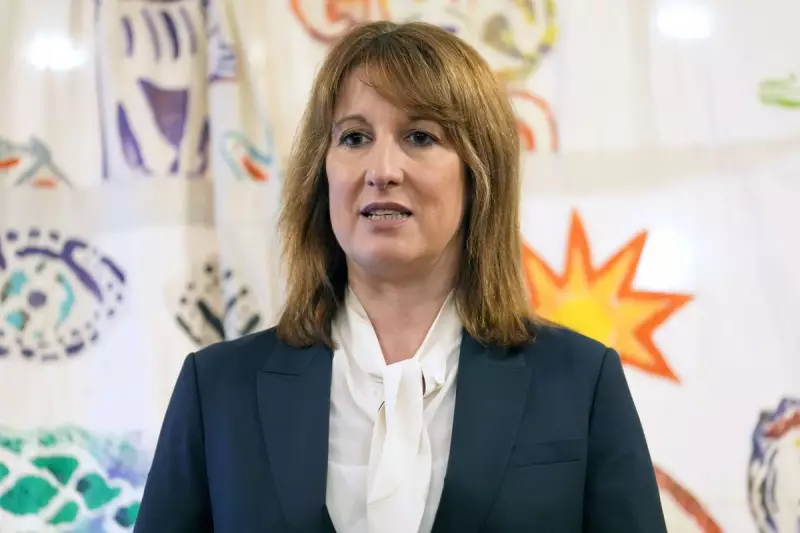
Chancellor Rachel Reeves has signalled a major softening of the government's flagship digital identification policy, confirming that people will not be forced to use a single, specific digital ID to prove their right to work in the UK.
A "Relaxed" Approach to Digital Verification
In an interview with BBC Breakfast on Wednesday, 14 January 2026, Ms Reeves sought to clarify the government's position, stating that while mandatory digital verification for right-to-work checks will go ahead, the form it takes is flexible. This marks a distinct shift from Prime Minister Sir Keir Starmer's original announcement last year, where he stated people "will not be able to work in the United Kingdom" without a digital ID.
"We are saying that you will need mandatory digital ID to be able to work in the UK," Ms Reeves said. "Now the difference is whether that has to be one piece of ID, a digital ID card, or whether it could be an e-visa or an e-passport, and we're pretty relaxed about what form that takes."

Another in a Series of Policy Reversals
This climbdown represents the latest in a string of U-turns by the Labour government since taking office. Officials have reversed course on at least 11 significant policies, including:
- Providing additional business rates support for pubs.
- Raising the inheritance tax relief threshold for farmers.
- Scrapping a raft of planned benefits cuts.
The change on digital ID leaves open the possibility that the specific digital ID scheme could become entirely voluntary, with existing digital documents like e-passports sufficing. A government spokesman reiterated the commitment to ending the current "hodgepodge of paper-based systems" which they say is "open to fraud and abuse," but confirmed details would follow a public consultation.
Political Fallout and Public Opinion
The policy shift has drawn immediate criticism from opposition parties. Conservative Party chairman Kevin Hollinrake accused Labour of having "only consistent policy is retreat," while Liberal Democrat spokeswoman Lisa Smart suggested Downing Street must be "bulk ordering motion sickness tablets" due to the frequent changes in direction.
The controversy appears to have impacted public support. Backing for a digital ID system collapsed from 53% in June to just 31% in October following Sir Keir's initial hardline announcement, which was framed as a measure to crack down on illegal immigration by making it harder to work in the UK illegally.
Ms Reeves downplayed the significance of the adjustment, focusing instead on the end goal. "The key thing is where you're trying to go," she stated, emphasising the government's focus on economic growth and living standards. However, the episode underscores the challenges the administration faces in implementing its agenda without modification.






