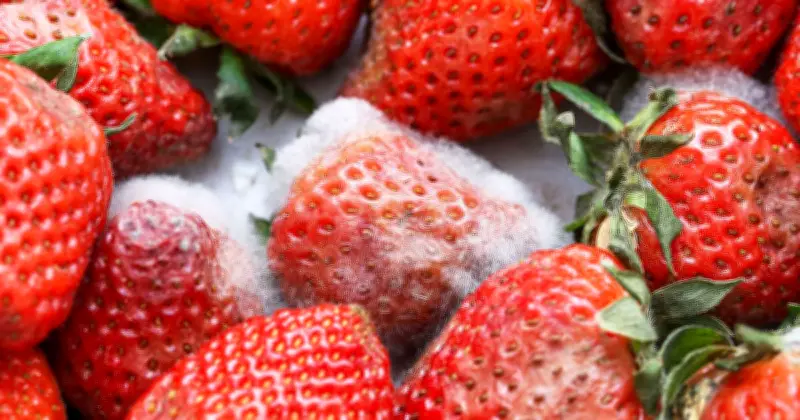
Clinical microbiologist Dr Primrose Freestone of the University of Leicester says that while fruit and vegetables are healthy, when no longer fresh they can harbour bacteria and fungi. Overripe produce can contain E. coli, Salmonella and Listeria, causing food poisoning.
Dr Freestone stresses that use-by dates printed on packaging are usually a useful indicator, but the storage environment can affect shelf life, so dates may not always be accurate. Fruit and veg are living – humidity, temperature, atmospheric gases, light, storage duration and microbial contamination all affect storage life.
Fruit storage tips
Apples: Shelf life about one week at room temperature, three to four weeks in the fridge. Store in the fridge’s veg drawer and wash before eating. Slightly bruised apples are safe, but mouldy ones should be discarded.
Bananas: Last two to seven days depending on ripeness. Store at room temperature until ripe, then refrigerate. Brown or mushy bananas are safe if not mouldy.
Berries: Shelf life 3–7 days if refrigerated. Store in original packaging; wash only before eating to avoid spreading fungal spores. Do not eat if mouldy – even one mouldy berry can contaminate the whole punnet because invisible mycotoxins (such as aflatoxin) can penetrate food and spread. Mycotoxins can cause serious liver damage and are linked to liver cancer.
Citrus fruits: Good for about one week at room temperature, up to one month in the fridge. Keep whole in a mesh bag for airflow. Cut citrus lasts up to five days in an airtight container.
Grapes: Last several days at room temperature, up to two weeks refrigerated. Store in original ventilated package and wash only before eating. If any grapes are mouldy, bin the bunch to avoid mycotoxin contamination.
Tomatoes: Ripen at room temperature, then store in the fridge for up to two weeks. Slightly soft or mushy tomatoes can be eaten if no mould is present.
Vegetable storage tips
Carrots and parsnips: Up to two weeks in a cool pantry, more than a month in the fridge. Store in perforated bags for airflow. Sprouted ones are safe but discard if mushy or mouldy.
Cucumbers: Store in a plastic bag or container for up to a week in the fridge. Cut cucumbers should be eaten within 1–2 days.
Lettuce: Whole lettuce keeps three to seven days in the fridge in breathable packaging; wash only before use. Mixed leaves should follow the use-by date. Discard if mushy or brown.
Mushrooms: Shelf life one day at room temperature, three to seven days in the fridge. Denser varieties like shiitake or button last longest. Store in breathable bags in the middle of the fridge.
Onions: Can last over six weeks in a cool, dry, well-ventilated area. Do not wrap in plastic or store with potatoes or moist vegetables. Sprouting onions are safe if no mould.
Potatoes: Last over six weeks in a cool, dark, dry place. Do not eat green or sprouting potatoes – they contain natural toxins that can cause severe gastrointestinal symptoms and are not destroyed by cooking. Light exposure increases toxin formation.
Maximising shelf life
Storing certain produce together can affect freshness. Some fruit and veg (especially bananas and apples) release ethylene gas, which accelerates ripening and can cause over-ripeness and mould. Avoid storing these near other produce. To minimise waste, buy only what you will eat within a few days.