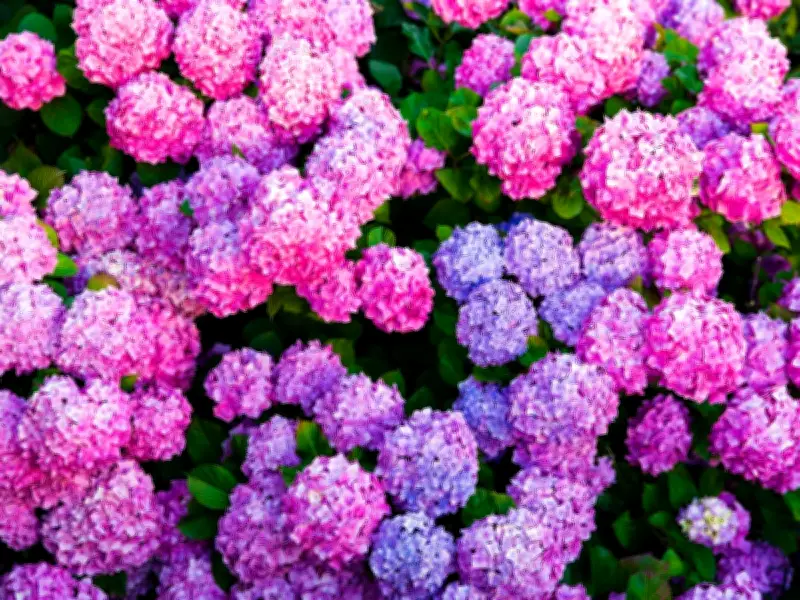
Gardeners should avoid pruning hydrangeas in autumn to protect next year's blooms, according to gardening expert and co-founder of Savy Gardening, Jessica Walliser. Cutting back the shrubs in October is one of the most common mistakes made when autumn arrives.
Why autumn pruning is a mistake
Regardless of the variety of hydrangea being grown, there is "no need to do any pruning" as part of an autumn care routine. Walliser warned: "Pruning in the autumn could remove flower buds for next year, depending on which variety of hydrangea you're growing. Pruning at the wrong time can result in reduced blooms or even no blooms at all."
Gardeners frequently cut off what they believe are "dead" stems in autumn, but this could leave them with "a plant that's more prone to winter injury and produces fewer blooms". The expert added: "You could even be pruning off next year's dormant flower buds. In short, do not prune hydrangeas in the autumn."
Is deadheading necessary?
Deadheading, the removal of old blooms, is a possible autumn task for hydrangeas, but "it is not an essential one", according to Walliser. She explained: "Whether or not you remove dead hydrangea flowers is really a matter of personal choice. Removing dead hydrangea blooms will not impact the quality or size of the flowers the following growing season."
In her experience, most dead hydrangea flowers naturally drop off on their own by the time spring comes around, so she never bothers going to the trouble.
How to deadhead safely
Should gardeners choose to deadhead their hydrangeas in autumn, they should use a sharp pair of pruning secateurs to snip the flower heads from the plant. Only an inch or two of the stem should be removed along with the flower.
Walliser urged: "Do not cut the stems back any further than that, or you could impact next year's flower production."