Female Rickshaw Drivers in Sierra Leone Rise Above Stigma
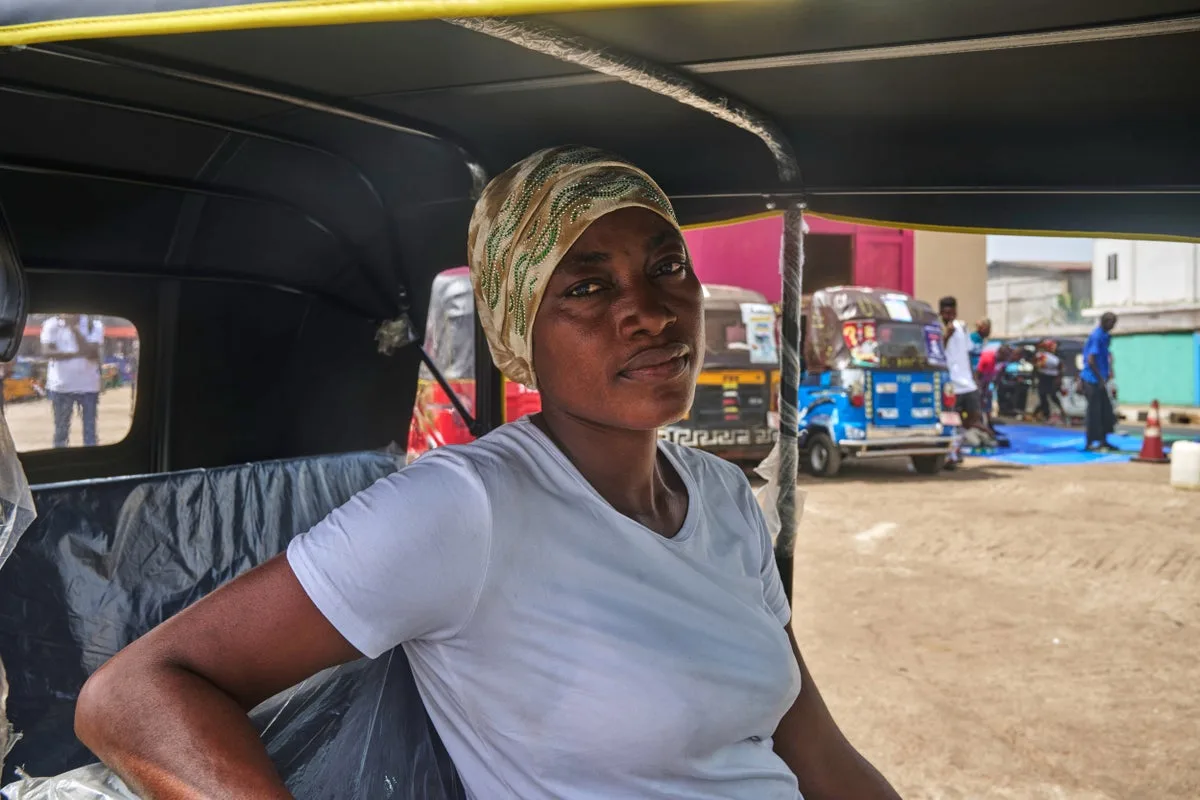
In the bustling transit parks of Freetown, a quiet revolution is underway as women take the wheel of motorized three-wheeled rickshaws, challenging deep-seated gender norms in Sierra Leone. Known locally as kekeh, these vehicles have long been a male-dominated domain, but a small yet growing number of women are now driving them to earn a living and empower themselves.
A Path to Financial Independence
Hawa Mansaray, a 27-year-old single mother, exemplifies this shift. After trying various jobs in Freetown, she found that driving a kekeh offered her more stability and income. "I have done different jobs since I came to Freetown but kekeh has done more for me," she said, highlighting how this work has transformed her life. Mansaray now earns an average daily wage of 175 leones (about $7), which is considered high income in a country where many struggle with poverty.
Sierra Leone faces significant challenges in financial inclusion, with one of the lowest levels of access to financial services in Africa. This often leaves women, especially in rural areas, dependent on petty trading or their husbands for survival. Marfoh Mariama Samai, a women's rights advocate with Plan International Sierra Leone, notes that patriarchal norms persist, where "when the man gives you the money, he makes all the decisions." By entering the transport sector, women like Mansaray are breaking free from this cycle of dependence.
Overcoming Stigma and Challenges
Despite their growing presence, female kekeh drivers still face stigma and practical hurdles. Samai explains that in Freetown, women are often "seen as people not adequate to do certain types of jobs," leading to social stigmatization when they venture into male-dominated fields like transport. Alimatu Kamara, another female driver, shares that aggressive behavior from male riders is a common complaint, alongside safety concerns during night shifts. "Some women can panic," Kamara said. "It takes mind and determination to continue."
The kekeh rickshaws themselves are not without risks; they are often rickety, run at minimal speeds, and offer minimal protection due to their open design. However, commuters prefer them for their accessibility, ventilation, and relative comfort, especially in a city where public transport systems have struggled to keep up with rapid population growth. Freetown's population has ballooned to over 1.5 million, roughly three times its size when much of its infrastructure was built, creating a high demand for alternative transport options.
Support and Growth in the Sector
The Sierra Leone Kekeh Riders Union reports that while there are over 1,000 registered members in western Freetown, only about 20 are women—a number that is slowly improving. Mustapha Thoronka, the union's district chairman, actively supports training and assisting female drivers, including advocating for loans to help them enter the capital-intensive business. "Whatever men can do, women can do better," Thoronka said, hoping that through kekeh driving, women can support themselves and their families without relying on men.
Commuters like Mariama Barrie appreciate the change, noting that female drivers are often more careful than their male counterparts. For Barrie, the growing presence of women in the sector sends a powerful message to other women: "If you know how to ride, take kekeh … rather than sitting and waiting for handouts."
Inspiring a New Generation
Mansaray's journey from dropping out of school during Sierra Leone's civil war to becoming a successful kekeh driver is a testament to resilience. Originally from Kailahun District, where the conflict began, she turned to small businesses before discovering the potential in rickshaw driving. Seeing other women excel in the business inspired her to pay for training and join the sector. Now, she advises unemployed women to "come into the game," emphasizing the opportunities it offers.
Kamara, who was unemployed for years before venturing into kekeh driving, plans to expand her business by purchasing more rickshaws. "We can't just sit, waiting for office jobs. With jobs like kekeh, you can even make more money," she said, highlighting the entrepreneurial spirit driving these women forward.
As Sierra Leone continues to recover from its civil war and economic challenges, the rise of female rickshaw drivers represents more than just a job trend—it's a symbol of empowerment and a step toward gender equality in a traditionally male-dominated society.