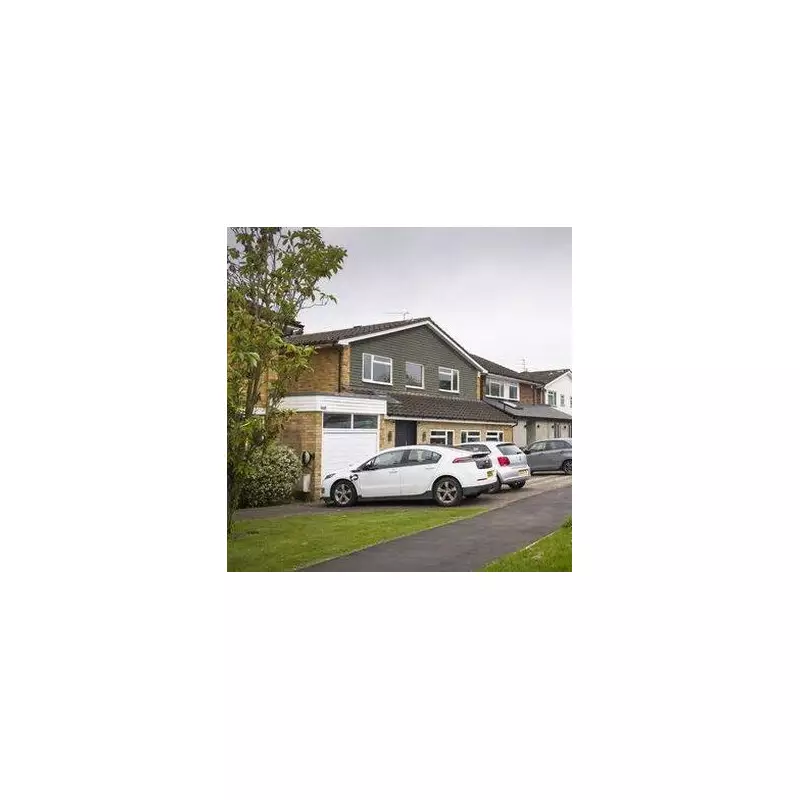
Motorists contemplating the switch to electric vehicles could benefit significantly from a driveway rule change implemented last year, with potential annual savings reaching up to £1,100. The regulatory adjustment, which came into effect during the summer of 2025, streamlines the process for homeowners to install electric vehicle (EV) chargepoints by eliminating the need for planning permission in many cases.
Simplified Installation Process
Prior to this regulatory shift, homeowners were required to obtain householder planning permission to fit an EV charger on their own driveway. Under the revised regulations, property owners can now install a single wall-mounted or pedestal EV charger on their drives without seeking formal permission, provided certain conditions are met.
Specific Requirements and Limitations
The new rules do include specific parameters that must be observed. Chargers cannot exceed 0.2 cubic metres in size and must be positioned at least two metres from the public highway. These restrictions ensure installations remain appropriate for residential settings while maintaining safety standards.

Government officials assert that this regulatory easing, combined with the simplified installation process, should encourage motorists who remain undecided about transitioning from petrol and diesel vehicles. The potential £1,100 annual savings compared to operating traditional combustion engine vehicles represents a significant financial incentive for many households.
Industry Support and Collaboration
Following the announcement, industry leaders have expressed strong support for the regulatory change. Lewis Gardiner, Operations Director at Osprey Charging Network, welcomed the practical implications of the new approach.
"This is a hugely welcome and practical change that will make a real difference on the ground," Gardiner stated. "Removing the need for planning permission for essential electrical infrastructure like substations across the majority of sites will save months of delays, reduce costs and accelerate the delivery of the rapid charging hubs drivers need. It's the result of months of collaboration between industry and government and we're proud to have played a key role in making it happen."
Potential Obstacles and Considerations
Despite the regulatory easing, certain limitations and potential obstacles remain for some homeowners:
- Leaseholders may encounter challenges, as freeholders retain authority over property modifications
- Residents of newer housing developments might find title deed restrictions preventing external alterations, which could include charger installation
- Shared driveways present potential complications, with neighbours possibly facing legal disagreements over installation rights
Growing EV Adoption in Britain
The regulatory change comes as electric vehicle adoption continues to accelerate across the United Kingdom. Current estimates indicate Britain now boasts approximately 1.75 million fully electric vehicles on its roads.
Recent figures from the Society of Motor Manufacturers and Traders (SMMT) reveal that 47,000 new electric cars were registered in 2025, representing an 8% increase compared to 2024's totals. This growing appetite for electric vehicles underscores the importance of accessible charging infrastructure for homeowners considering the transition to cleaner transportation options.
The driveway rule change represents a practical step toward supporting Britain's transition to electric mobility while providing tangible financial benefits to homeowners willing to make the switch from traditional petrol and diesel vehicles.