
Department stores, once the main attraction on many High Streets, are increasingly losing their appeal to shoppers. House of Fraser recently announced plans to close 31 shops, affecting 6,000 jobs, as part of a rescue deal. Debenhams is also planning to shut stores as profits fall, and BHS spectacularly collapsed in 2016, putting 11,000 people out of work.
Market research firm Springboard's Diane Wehrle says the worst department stores 'haven't changed in 10, maybe 20 years'. They have not invested enough in upgrading shop floors, product ranges or online offerings. 'As we have had access to global products our standards as consumers have increased - we can also buy anything we want online,' she says. 'So if we are to go shopping we need to have a good experience, excitement and entertainment. A lot of today's department stores don't supply that.'
Stephen Springham, head of retail insights at Knight Frank, adds that many ailing stores focus on fashion but may not have the right merchandise. He says Debenhams 'hasn't kept up with the times', and most of House of Fraser's goods are 'other brands you can buy somewhere else', with weak in-house brands. Meanwhile, more shoppers are buying clothes from nimbler 'fast fashion' retailers like Asos, Primark and Zara that can beat them on price.
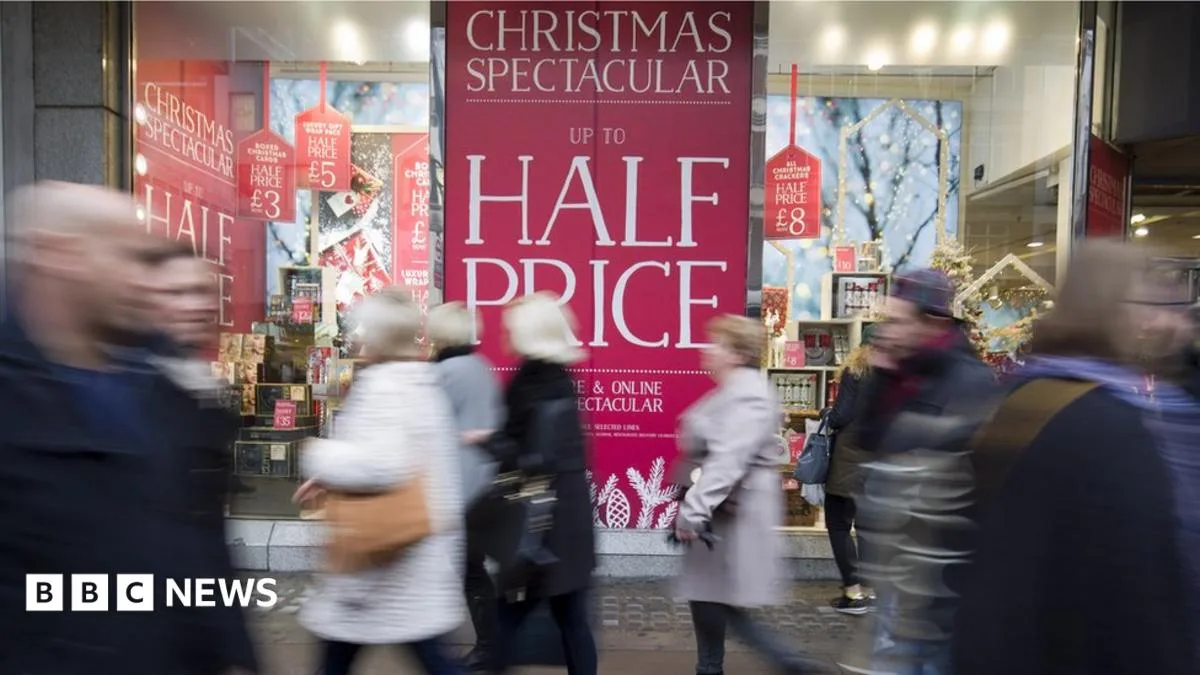
As sales have fallen, some department stores have turned to discounting, but Ms Wehrle says this has become a 'vicious circle' and a 'race to the bottom', squeezing margins and leaving less to spend on improvements. Many groups also have too many underperforming shops and need to downsize. Debenhams could close 10 outlets and reduce space at 30 more, while House of Fraser plans to close more than half of its 59 stores.
Downsizing is not easy, as many stores are locked in very long leases of '30, 40, even 50 years', says Mr Springham. Some buildings are more than 100 years old and ill-configured for modern retail, with no centralised escalator. These problems come amid a general High Street slowdown due to weaker consumer confidence, online competition and rising overheads. However, Ms Wehrle believes struggling stores could have weathered the storm better, pointing to John Lewis as an example of a group that has adapted well by ramping up its online presence and investing in store experience.




