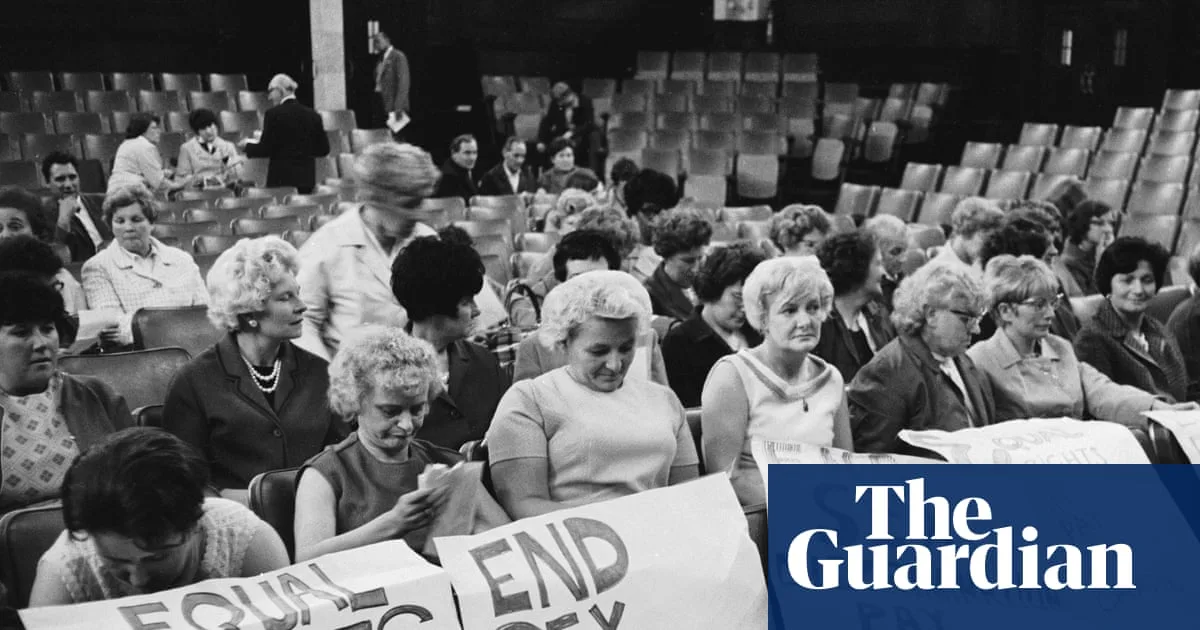
The 1968 strike by 187 sewing machinists at Ford's Dagenham plant is often associated with the fight for equal pay. However, a letter from historian Sarah Boston clarifies that the primary grievance was the company's refusal to recognise their skilled work.
In 1967, Ford introduced a new grade structure, categorising the machinists' work as grade B. The women argued their job was semi-skilled and deserved grade C. Their strike brought production to a halt, prompting intervention from Employment Secretary Barbara Castle.
Castle negotiated a pay increase over two years, raising their wages from 85% to 100% of the male grade B rate. Yet the core issue of job grading remained unresolved. The machinists returned to work, but the dispute was not settled.
It took another strike in 1984, again halting Ford's production, to finally address the grievance. The machinists brought a claim under the Equal Value (Amendment) Regulations of 1983. An Advisory, Conciliation and Arbitration Service panel unanimously evaluated their role as grade C, securing recognition of their skill.
The Dagenham sewing machinists thus achieved not only pay parity but, more importantly, acknowledgment of the value of their work, a distinction often overlooked in popular narratives.