The French Lunch Debate: A British Perspective on Workplace Dining
A recent article in the French newspaper Le Monde has ignited controversy by highlighting a growing trend among younger employees: choosing to eat lunch alone rather than with colleagues. According to a survey by Openeat, almost one-third of employees under 25 regularly dine solo during their breaks, compared to just 12% of those over 49. This shift has prompted bewilderment in France, where shared workplace lunches are a longstanding tradition. However, from a British viewpoint, this trend is not only understandable but worthy of celebration.
The Cultural Divide in Workplace Dining Habits
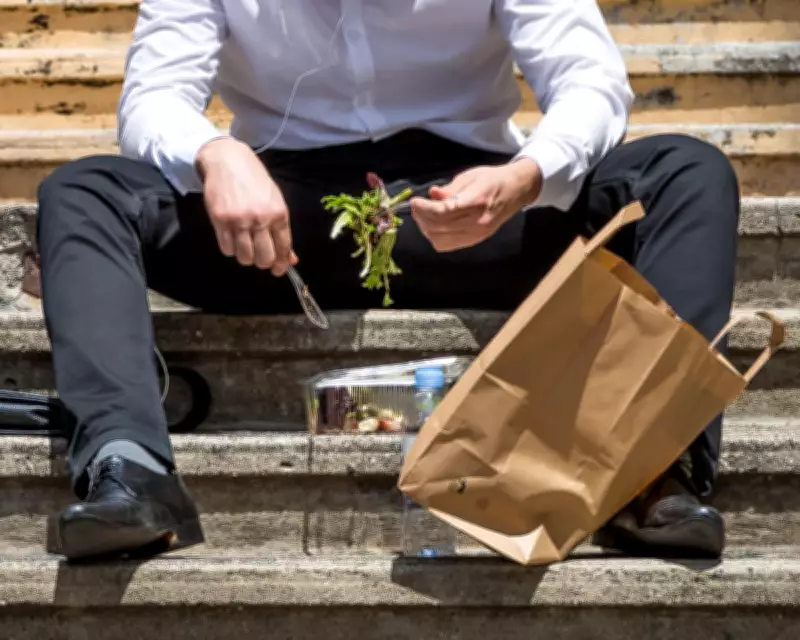
In France, the traditional lunch break often involves colleagues gathering for a multi-course meal, sometimes with wine, reflecting a civilised and social approach to the midday pause. This custom remains far more prevalent there than in the UK, where solitary lunches are commonplace. The British work lunch is frequently a solitary affair, with employees grabbing a quick meal deal or leftovers to enjoy alone—whether in a canteen, on a park bench, or at their desk. This difference underscores a broader cultural contrast in how personal time and social obligations are perceived in the workplace.
The French reaction to solo dining has been one of concern, with some younger workers facing pressure or even dismissal for opting out of team lunches. One young woman interviewed by Le Monde described feeling oppressed by what she saw as a "patriarchal" expectation, noting that her boss behaved "like a king" during these meals, creating an atmosphere of fear and forced camaraderie. In contrast, British workplaces generally embrace a more discreet understanding of personal space, where colleagues respect each other's right to alone time without taking offence.

Why Solo Dining Deserves Support, Not Scorn
For many in the UK, the lunch break is a precious opportunity to recharge away from work demands. It might involve reading a book, making a personal phone call, or simply enjoying a moment of peace—especially for those with busy personal lives, such as parents juggling childcare. Eating with colleagues can be enjoyable, but it should not be an enforced ritual. The expectation to socialise daily can feel burdensome, akin to the dreaded "team away day" that haunts office workers annually. In Britain, such forced interactions are often met with resistance, highlighting a cultural preference for autonomy.
This shift towards solo dining among younger generations, particularly Gen Z, should be viewed positively. It reflects a growing confidence in prioritising mental health and personal wellbeing. While critics may label younger adults as antisocial or anxious—pointing to fears like making phone calls—their choice to dine alone often stems from a desire for self-care and financial prudence. In an era of rising living costs, eating last night's leftovers on a bench is far more affordable than a restaurant meal, making solo dining a practical as well as a personal choice.
Balancing Social Connection and Personal Freedom
Of course, complete isolation is not ideal. The lure of screens can be strong, and effort is needed to maintain social connections. However, occasional planned group meals, eagerly anticipated, offer greater joy than routine obligations endured in silence. The British approach, while not perfect—evidenced by a reliance on supermarket meal deals and issues like presenteeism—provides a model that values individual choice. France, with its rich culinary heritage, may have something to learn from this perspective, recognising that lunch breaks should serve the employee, not the employer's social agenda.
In conclusion, the debate over workplace lunches reveals deeper questions about tradition, generational change, and workers' rights. As younger French adults push back against outdated norms, Britain's acceptance of solo dining offers a lesson in respecting personal boundaries. Ultimately, whether one prefers a communal feast or a quiet moment alone, the freedom to choose should be celebrated as a win for workplace culture and mental health alike.