With almost a million young people doing nothing at home, things may seem bad now, but they will only get worse with the arrival of AI. The Labour Government does not seem to care, and the numbers will grow as these youngsters slip into a lifetime of inactivity, poverty and deep unhappiness.
This is not just a harmless gap between school and a first job, nor is it just about them being lazy. The causes are genuinely complex, but the solution can be simple.
Thatcher's bold response in 1983
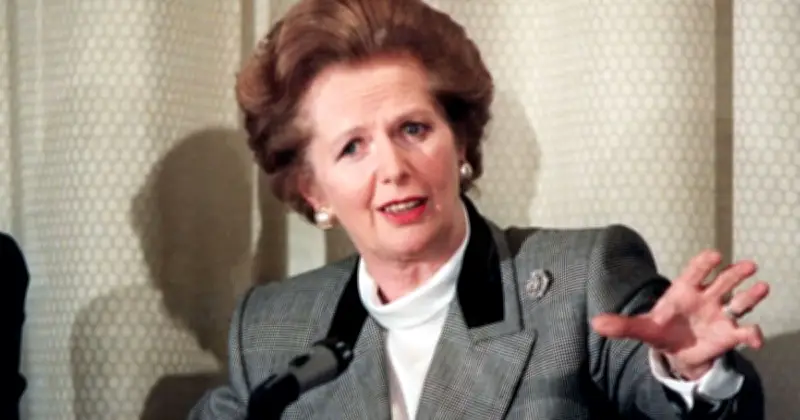
In 1983, Margaret Thatcher took action to deal with similar problems. One in nine people of working age was unemployed, and estimates of real youth unemployment were as high as 25%. Britain's first woman PM stepped up, and today we need a bold political leader who will do the same.
Failing to act is negligent. The social and financial costs will be horrendous. Having nothing to do but stare at a screen or get up to no good ruins confidence and harms young minds. Many are just 16 or 17, people we do not allow to vote, buy alcohol or borrow money.
The Youth Training Scheme legacy
The brutality and cruelty of this was clear to Mrs Thatcher. She refused to sit back and see young people left to rot. Her answer was the Youth Training Scheme (YTS), which gave young people the opportunity to learn and earn a little money, keeping them busy and preparing them for work. It was different to a modern apprenticeship and not as lucrative, but it certainly worked.
School leavers were offered 12-month work placements that gave them direct workplace experience alongside education and skills training. Employers got involved, from private companies to charities and councils. HM Forces even provided opportunities.
As a 17-year-old recruit to the RAF, I trained alongside some of the Forces YTS and saw firsthand how they grew in confidence, as we all did. I will never forget a friend I made. Joe was from a boxing family in Derby and had struggled to find work. He loved his YTS experience, and I am sure he went on to great things. He was a lovely lad.
YTS pay was not great, but it gave teenagers useful spending money and an element of dignity. Back then, it was £25 a week, about £125 in today's money.
A modernised scheme with tough love
This approach would do a world of good, but it was not perfect. While many placements were excellent, some were not. It is probable some employers used it as a form of cheap labour, but that is not a reason not to do it. We have to do something, fast.
Of course, we should modernise it, starting by increasing the money. Somewhere between £100 and £125 a week for someone getting nothing while idling at home is actually a good proposition. The placements could be six months or 12 months, giving inexperienced youngsters a grounding in working life. Each trainee should have a designated workplace mentor who looks after them and makes sure they are learning and happy.
The best outcome would be for these placements to lead to permanent jobs, so there should be a financial incentive for employers who place trainees in real jobs or apprenticeships. Opportunities should always bring responsibilities, so when there are genuine chances to learn, work and earn a little money, youngsters have a responsibility to take them. Repeated refusal without a good reason should have consequences for any benefits they may receive.
We need to be tough with young people. It is the very best way to show compassion and love for them. Sitting back while they rot at home is the cruellest thing we can do. We need to bring back Maggie Thatcher's Youth Training Scheme and get young people out of the house, into positive environments and build the kind of life they all deserve. My only doubt is whether Andy Burnham is brave enough to follow Maggie's footsteps.