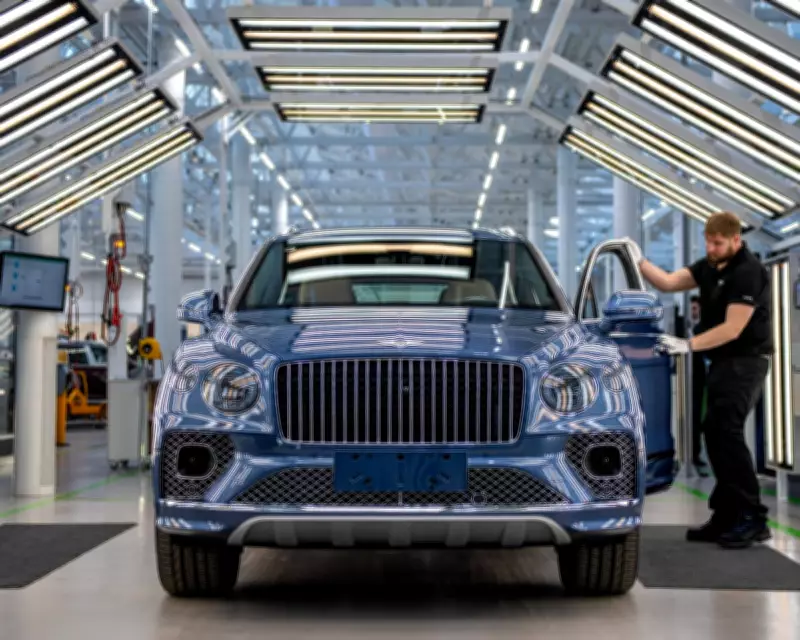
Bentley Motors, the prestigious British luxury car manufacturer, has confirmed plans to reduce its workforce in the United Kingdom by hundreds of positions. This strategic move comes as the company faces a demanding and unpredictable global market landscape, necessitating operational adjustments to maintain competitiveness and sustainability.
Navigating Economic Headwinds
The decision to implement significant job cuts underscores the broader challenges within the automotive sector, where fluctuating demand, supply chain disruptions, and evolving consumer preferences are reshaping industry dynamics. Bentley, a subsidiary of the Volkswagen Group, is proactively addressing these pressures to safeguard its long-term viability and uphold its reputation for excellence in luxury vehicle production.
Impact on UK Operations
The job reductions will primarily affect Bentley's UK-based facilities, including its headquarters and manufacturing plants. While specific numbers have not been disclosed, estimates suggest that several hundred roles across various departments could be eliminated. This restructuring aims to streamline operations, enhance efficiency, and align resources with current market realities, though it may lead to temporary disruptions and uncertainty for affected employees.

Global Market Environment
Bentley's announcement reflects the wider economic context, where geopolitical tensions, inflationary pressures, and shifting trade policies are creating a complex environment for multinational corporations. The luxury automotive segment, in particular, is experiencing heightened volatility, with demand patterns varying across regions and requiring agile responses from manufacturers to adapt to changing conditions.
Strategic Adjustments and Future Outlook
In response to these challenges, Bentley is not only focusing on workforce optimization but also exploring other strategic initiatives, such as investing in electric vehicle technology and digital innovation. The company remains committed to its core values of craftsmanship and innovation, aiming to emerge stronger from this period of adjustment. Industry analysts suggest that such measures, while difficult, are essential for Bentley to navigate the evolving automotive landscape and secure its position in the competitive luxury market.
As the situation develops, stakeholders, including employees, investors, and customers, will be closely monitoring Bentley's next steps. The company has emphasized its dedication to supporting affected staff through this transition, offering resources and assistance to mitigate the impact of the job cuts. This move highlights the ongoing transformation within the automotive industry, where adaptability and resilience are becoming increasingly critical for long-term success.