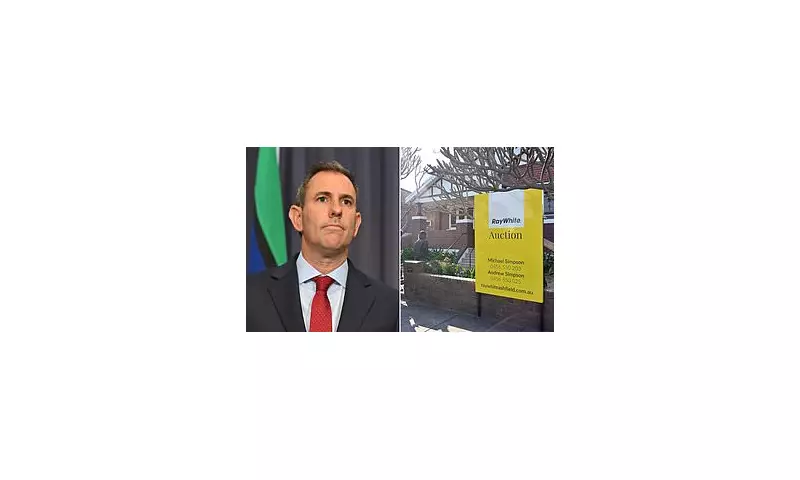
Interest rate increases are now looming as a distinct possibility in Australia following a surprisingly robust set of labour force figures. The nation's unemployment rate unexpectedly fell to 4.1 per cent in December, defying market forecasts and signalling a tighter jobs market than anticipated.
Strong Jobs Data Defies Expectations
The Australian Bureau of Statistics revealed on Thursday that 65,200 jobs were added to the economy last month. This employment growth significantly exceeded the consensus prediction among economists, who had forecast a much more modest increase of approximately 28,000 positions. The jobless rate itself wrong-footed analysts who had expected it to hold steady at 4.3 per cent.
This December drop brings the average unemployment rate for the final quarter of the year down to 4.2 per cent. This figure sits notably below the Reserve Bank of Australia's latest economic forecasts, released in November, which predicted the unemployment rate would settle at 4.4 per cent for the period.

Implications for Monetary Policy
The data has immediately shifted market expectations for the RBA's next move. According to IG Markets analyst Tony Sycamore, following the release, markets swiftly repriced the odds of a rate hike at the February meeting to more than 50 per cent. Ahead of the jobs report, money markets had fully priced in a 25-basis-point increase by August, with only about a quarter chance of a move in early February.
Harry Murphy Cruise, Head of Economic Research at Oxford Economics Australia, cautioned against overreacting to a single data point but acknowledged the shifting landscape. "The odds of a rate hike are rising," he stated, adding that "next week's inflation data will be the deciding factor." He identified the trimmed mean inflation figure of 3.2 per cent as a critical threshold. "Anything above that will warrant a hike when the RBA board next meets in early February. Anything at or below should be enough for the board to hold rates steady - at least until the next meeting."
Government and Analyst Reaction
Treasurer Jim Chalmers welcomed the strong labour market result, highlighting the creation of tens of thousands of new jobs, lower unemployment, and higher participation. "This result is welcome and highlights the resilience of our labour market at a turbulent time for the global economy," he said on Thursday.
However, Chalmers also conceded that the inflation outlook remained "higher" than the government would like, acknowledging the delicate balance the RBA must strike. The central bank's primary concern, as noted by analysts, is that continued tightness in the labour market could feed into stronger wage growth, thereby fuelling broader inflationary pressures within an economy where price pressures are already elevated.
Underlying Trends and Details
Despite the positive headline figures, the data revealed nuanced trends. ABS head of labour statistics Sean Crick noted that the bumper rise in employed people led to the participation rate rising slightly to 66.7 per cent. A significant factor in the drop was a near-one-percentage-point fall in youth unemployment, suggesting some seasonal factors during the holiday period may have influenced the results.
While employment growth had decelerated and job vacancy rates trended lower throughout the past year, Thursday's data indicates that a gradual rise in the unemployment rate, observed since mid-year, has now stalled. This persistence of labour market strength, against the backdrop of stubborn inflation, is what has financial markets and economists bracing for a potential return to monetary policy tightening in the very near future.