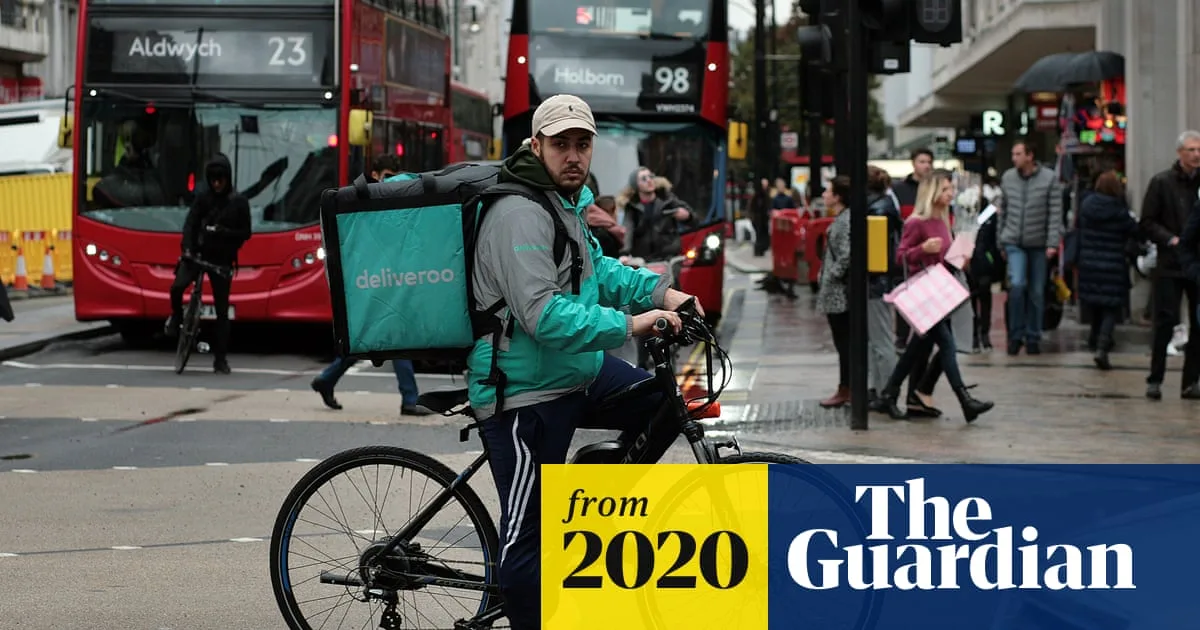
A new report from the digital thinktank Doteveryone argues that gig economy platforms such as Uber and Deliveroo are creating a cycle of financial insecurity and loss of dignity for workers, rather than offering flexible employment. The report, based on research and collaboration with gig workers, warns that many are forced to work longer hours just to maintain a basic income.
The report identifies three key problems: lack of financial security, loss of dignity at work, and inability to progress or retrain. For example, low rates of pay mean flexibility is often meaningless, as workers must be available seven days a week to earn a living. One London-based handyman said, “If you want to get the money you’ve got to be available seven days a week.”
Hidden costs further erode earnings. An Uber driver reported working 60 hours for £750, but after deducting fuel, insurance and VAT, took home just £150–£200. A delivery courier noted that complaints about the platform were ignored: “If you make any issues for them, they’ll just fire you or find a way to stop giving you work.”
To address these issues, Doteveryone proposes three policies: a minimum gig wage that accounts for expenses and benefits; changes to the government’s retraining scheme to allow flexible workers to access courses; and new governance structures giving workers a voice. The thinktank also suggests platforms could improve transparency, such as displaying earnings per hour and allowing expense tracking to give workers a true picture of income.