Alaska to Replace Historic Bridge, Preserving Tribute to Black WWII Soldiers
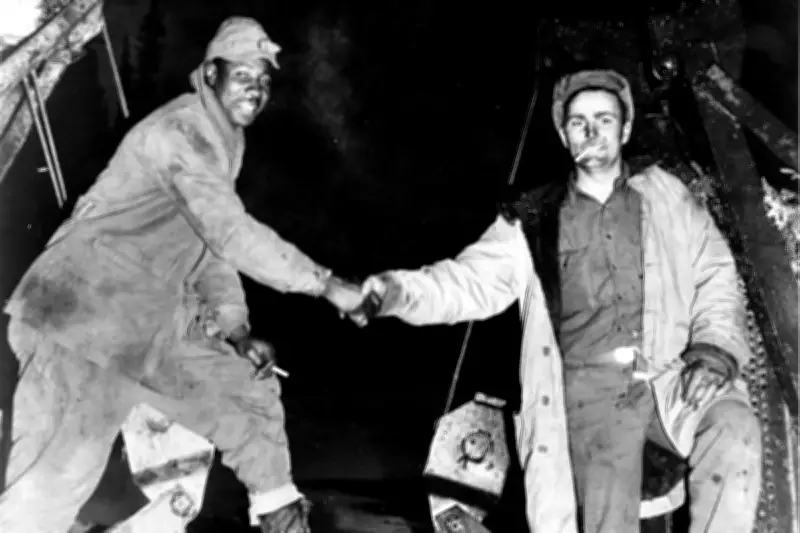
The state of Alaska has announced plans to replace the aging Black Veterans Memorial Bridge, a historic structure named for segregated Black soldiers who played a crucial role in building the first road link between Alaska and Canada during World War II. Instead of complete demolition, Alaska will preserve two of the bridge's nine trestles as a refashioned memorial, ensuring the legacy of these soldiers endures.
Preserving History Amid Modernization
The 1,885-foot (575-meter) bridge spans the Gerstle River near Delta Junction, approximately 100 miles (161 kilometers) south of Fairbanks, marking the end point of the famed Alaska Highway. Built eight decades ago, the structure now requires replacement due to its age and condition. The new bridge is scheduled to open in 2031, with the old bridge remaining in place until then.
In a move to honor history, the state will keep the first trestles on either end of the old bridge, which will retain the Black Veterans Memorial Bridge name. The new Gerstle River Bridge will unofficially carry this memorial name, though official designation may require legislative action. The remaining seven trestles are being offered for free to states, local governments, or private entities willing to maintain them for historical and public use.

Tribute to the Soldiers' Sacrifice
The bridge commemorates the approximately 4,000 Black soldiers who, under harsh segregation policies, performed backbreaking work to construct the first wooden bridge over the Gerstle River while completing the Alaska Highway. These soldiers faced extreme weather swings, from 90°F (32°C) to minus 70°F (minus 56°C), along with mosquitoes, boggy land, and permafrost. Due to discrimination, they were often denied use of heavy machinery, relying instead on picks, shovels, and axes.
Their efforts were instrumental in building the 1,500-mile (2,400-kilometer) gravel road, then known as the Alcan Highway, which connected Dawson Creek, British Columbia, to Delta Junction by October 25, 1942. The National Park Service notes that the impressive performance of these Black soldiers helped spur changes in military discrimination policies, contributing to the U.S. Army's integration in 1948.
Community and State Perspectives
Mary Leith, a former Delta Junction mayor and historical society member, expressed satisfaction that part of the bridge will be saved but called for proper signage and a highway pullout area to allow public access. "I would hope that if they're going to save it, then they save it properly," she said.
However, Angelica Stabs, a spokesperson for the Alaska Department of Transportation, stated that while the memorial sign will remain and the two preserved sections will be visible from the new bridge, they will be blocked off to prevent climbing or vandalism. No pullout area is planned. The new bridge will be built parallel to the east of the existing structure, with about 50 feet of separation.
Historical Context and Urgency
The Alaska Highway project was expedited after Japanese attacks on Pearl Harbor and Dutch Harbor, along with invasions of Alaska islands Kiska and Attu, highlighted the vulnerability of ocean shipping lanes. This urgency led to the deployment of 11,000 troops from the U.S. Army Corps of Engineers, divided by race, to build a supply route. Black soldiers constructed a temporary bridge over the Gerstle River in 1942, with contractors completing the steel structure two years later.
Opportunities and Restrictions for Trestles
The Alaska Department of Transportation is accepting proposals until March 6 for the seven available trestles, with flexibility for entities to request one or two for uses like walkways in public parks. Winners must adhere to restrictions, including prohibiting vehicular traffic, covering removal and transportation costs, addressing lead abatement, and maintaining the bridge's historical features.
This initiative not only modernizes infrastructure but also pays homage to the Black soldiers whose labor under adversity helped shape Alaska's connectivity and influenced broader societal changes in the United States.