

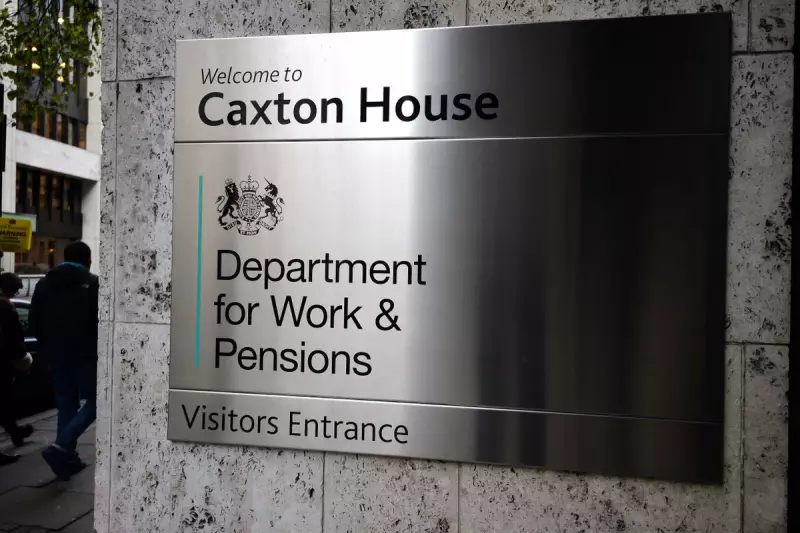
The Department for Work and Pensions (DWP) has officially set out how much millions of Britons will receive in benefits and the state pension from next April. Work and Pensions Secretary Pat McFadden confirmed the new rates to Parliament, concluding his statutory annual review.
Key Increases for Benefits and Pensions
From 6 April 2026, most working-age benefits will rise by 3.8 per cent, in line with the previous September's inflation rate. However, the state pension sees a larger boost. Adhering to the government's triple-lock guarantee, it will increase by 4.8 per cent, matching annual earnings growth. This uplift applies to nearly 13 million pensioners.
"The new rates will apply in the tax year 2026 to 2027, with most increases coming into effect from 6 April 2026," McFadden stated.

Universal Credit and PIP: A Mixed Picture
For Universal Credit, the standard allowance is set for an above-inflation rise of around 6.2 per cent. This means a single claimant over 25 will see their monthly payment go from £400.14 to £424.90.
However, a significant change affects the health-related element. The additional monthly payment for new claimants with limited capability for work and work-related activity (LCWRA) will be roughly halved, falling to £217.26. Existing claimants' rates will be largely frozen until 2029, with only a minimal rise to £429.80.
Personal Independence Payment (PIP) rates are also increasing. For example, the enhanced daily living component will rise from £110.40 to £114.60 per week.
State Pension: A Tax Threshold Looming
The new state pension will increase from £230.25 to £241.30 weekly. The basic state pension for older retirees will rise from £176.45 to £184.90.
This annual rise brings the new state pension's yearly value to £12,547.60, just £22 below the current income tax personal allowance. With the tax threshold frozen until 2031, pensioners are likely to exceed it soon, potentially making their state pension taxable. Following the Budget, Chancellor Rachel Reeves pledged that no one relying solely on the state pension would have to pay income tax on it.
Frozen Caps and Other Benefit Changes
Not all support is rising. The benefit cap, which limits total welfare payments for working-age households, will be frozen for the fourth consecutive year. In Greater London, the monthly cap remains at £1,413.92 for single adults without children.
Additionally, the Local Housing Allowance (LHA) rate for private renters on Housing Benefit or Universal Credit has been frozen again, a move criticised by housing campaigners.
Other confirmed weekly increases include:
- Carer's Allowance: Up from £83.30 to £86.45.
- Pension Credit (single person): Up from £227.10 to £238.00.
- Attendance Allowance (higher rate): Up from £110.40 to £114.60.
The changes come as the latest figures show around 24 million people claim some form of benefit, representing over a third of the UK's population.






