The wealth gap in the United States continues to widen, with new figures showing that the top 1 per cent of Americans have amassed nearly $55 trillion in wealth – equivalent to almost the entire wealth of the bottom 90 per cent. Federal Reserve data released in January revealed that the wealthiest Americans added roughly $5 trillion to their fortunes over the past year.
According to Forbes, the US is now home to an estimated 989 billionaires, a new record. This concentration of wealth comes as many ordinary Americans struggle with rising costs for food, rent, and other essentials. NBC News’s series “Unaffordable America” highlighted the difficulties faced by individuals such as Melinda from Virginia, who described “necessities are a struggle”, and Lilley from Maryland, whose savings have been “depleted due to the rising cost of food and utilities”. Dan, a Washington resident, told the outlet that he is “holding two jobs and just getting by”.
Recent polls reflect growing economic anxiety. A January survey by The Harris Poll on behalf of the American Institute of CPAs found that 50 per cent of those with financial goals for 2026 are concerned that the rising cost of living will prevent them from achieving those goals. Pamela Ladd, the institute’s senior manager of personal financial planning, noted that “planning and flexibility are more important than ever”.
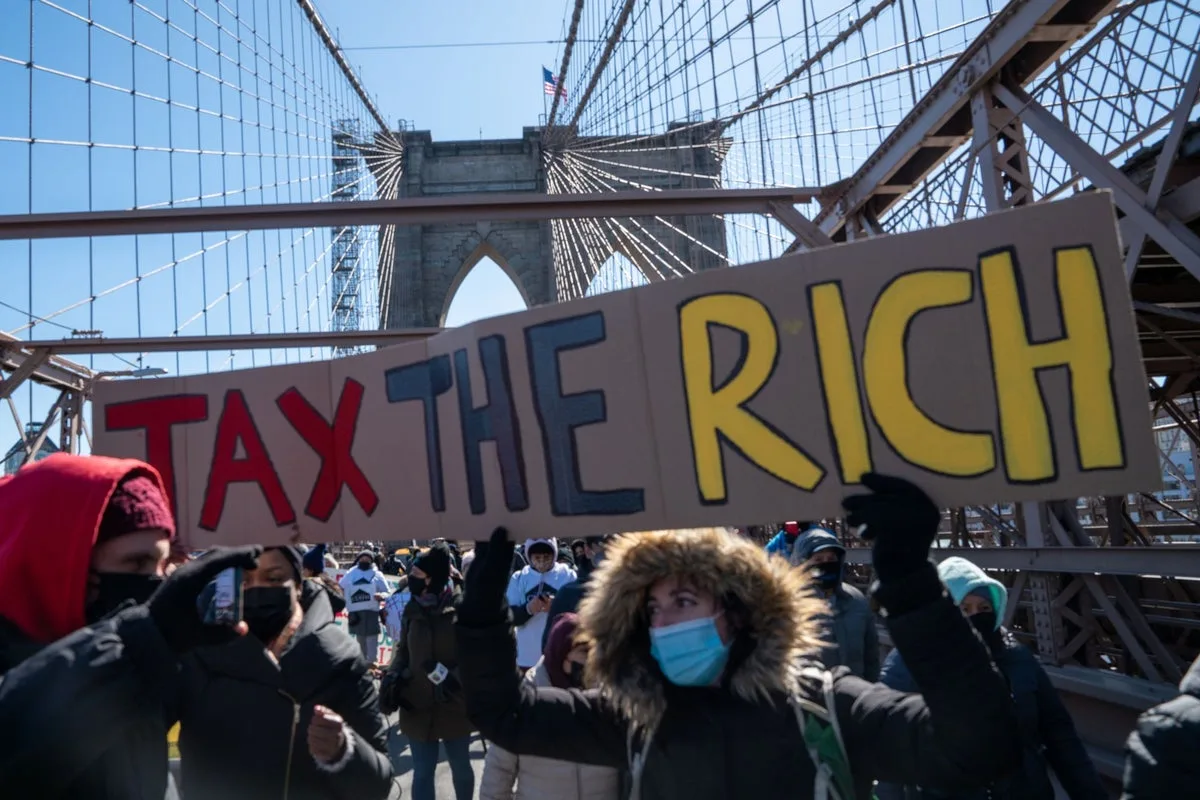
A New York Times/Siena poll from January also revealed that 65 per cent of US voters believe a middle-class lifestyle is “out of reach for most people”, with 77 per cent saying such a lifestyle is harder to attain than a generation ago. Even some of the world’s richest individuals are calling for change; nearly 400 millionaires and billionaires, including actor Mark Ruffalo and musician Brian Eno, signed an open letter in January demanding higher taxes on the ultra-wealthy. The letter warned that “society is dangerously teetering off the edge of a precipice”.