US gross domestic product accelerated to an annual rate of 2% in the first quarter of 2026, driven by AI investment and a rebound in government spending, although consumer spending slowed as the war with Iran continued to push up energy prices. The reading follows a 0.5% annualised growth rate in the final quarter of 2025, when government spending contracted sharply after mass layoffs of federal workers.
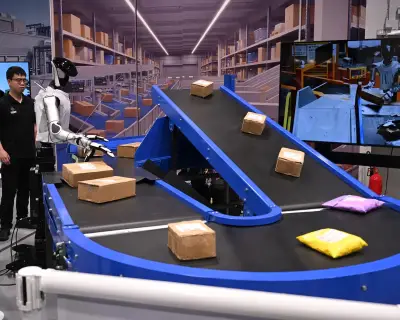
Government spending jumped 10% in the first quarter, reversing a 5.4% contraction in the previous three months. Domestic investment rose 6.4%, largely attributed to increased spending on artificial intelligence and its supporting infrastructure. However, consumer spending growth slowed by 0.3 percentage points from the fourth quarter of 2025, as the conflict with Iran soured sentiment and pushed inflation expectations up from 3.8% in March to 4.7% in April.
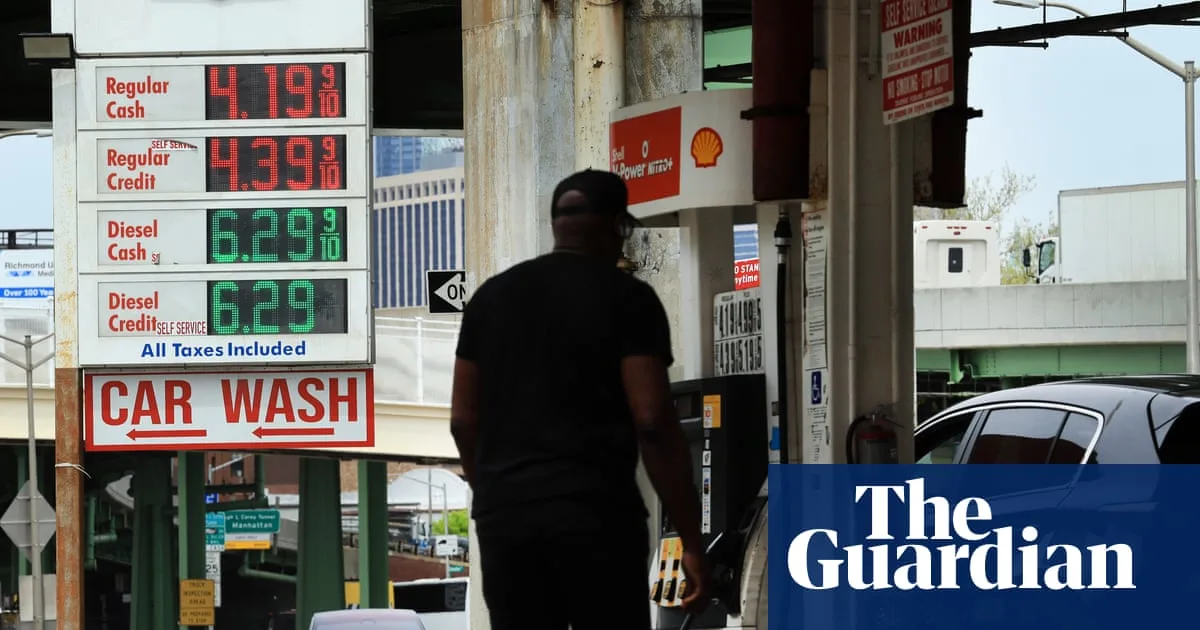
Global oil prices surged to a wartime high of $126 a barrel on Thursday, rising 13% in 24 hours, as peace talks between the US and Iran stalled over the Strait of Hormuz. The full impact on consumer prices is yet to be seen, although annualised inflation rose nearly 1% in March to 3.3%. US Defense Secretary Pete Hegseth testified that the war has cost the US government at least $25bn, with the Department of Defense requesting an additional $1.5tn in military spending.
Federal Reserve Chair Jerome Powell said the central bank would maintain its 'hold and wait' strategy to assess the economic effects of both the war and the new tariffs imposed by President Trump. Powell expressed concern over the Fed's ability to act independently from the White House, stating that 'the institution is being battered over these things.'