Britain must avoid a French-style debt crisis that could see borrowing costs surge by an extra £520 per household, experts have warned. The French Government’s costs this month hit the highest level since 2002 with debt reaching 119% of GDP.
IEA warns of £15bn annual bill increase
The Institute of Economic Affairs (IEA) has calculated a similar spike in the cost of borrowing in Britain could add approximately £15billion to the UK Government’s annual bill by 2030-31. This is based on Government bond yields going up by around one percentage point.
The IEA warns such an increase would put further pressure on public finances and hike up the risk of higher taxes, spending cuts or additional borrowing. It states that “Britain cannot afford to be complacent about the risk of a similar loss of confidence in its public finances”.
Pressure on Burnham and Healey to cut welfare spending
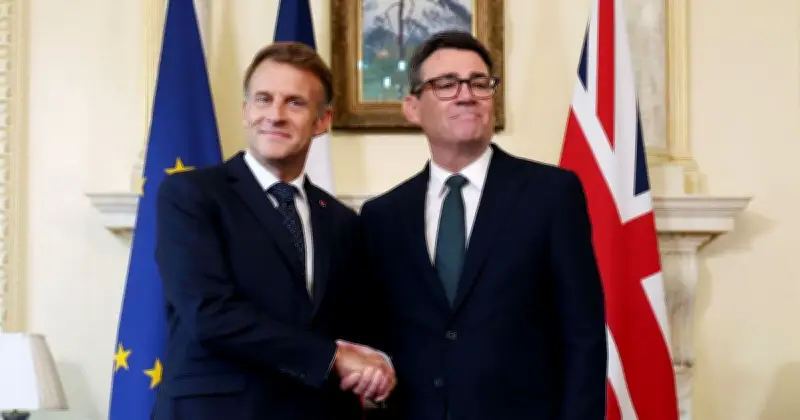
Its analysis has heightened pressure on Prime Minister Andy Burnham and Chancellor John Healey to cut welfare spending, with the Government due to spend £353billion on benefits this year, including the state pension.
UK Government borrowing was £18.3billion in August, nearly a fifth higher than the previous year and £3.5billion more than expected by official forecasters. The interest paid on Government debt climbed to £8.8billion, the highest level recorded for August since records began in 1997.
Economist and politicians react
Valentin Boboc, chief economist at the IEA, said: “France provides a stark warning of what happens when financial markets lose confidence in a government's ability to manage its finances. Higher borrowing costs mean more taxpayers’ money spent servicing debt rather than funding public services or cutting taxes. With Britain's public finances already under strain, the Chancellor must prioritise credible spending restraint and pro-growth reforms before taxpayers are left picking up the bill.”
Shadow Chancellor Andrew Griffith said: “Britain cannot afford for Labour to continue with their tax, spend and borrow doom loop. At the Budget in two weeks’ time, Chancellor John Healey must set out measures to cut the deficit or risk even greater peril for our economy. But so far all we’ve had from Labour is promises of more unfunded spending.”
Former Chief Secretary to the Treasury John Glen, a member of Westminster’s Treasury committee, said: “Cutting welfare spending and showing the markets that they can trust the Government is the first step to restoring confidence. Instead, I fear the Chancellor will reduce the headroom and avoid taking the tough decisions the country needs. This work shows the risks of pursuing a minimalist defensive strategy and where it will lead the markets’ view about the prospects of our economy. Labour need to wake up to the reality of the consequences of their high tax, high spend addiction or we will enter an eternal doom loop.”
The Treasury pointed to the Chancellor’s commitment to “controlling borrowing to bear down on inflation” and his statement that “fiscal credibility is the bedrock of economic stability and national security”.