UK Food Inflation Could Soar to 9% as Iran War Drives Up Costs, FDF Warns
UK Food Inflation Could Hit 9% Amid Iran War, FDF Warns

UK Food Inflation Could Surge to 9% as Iran Conflict Escalates Costs

The Food and Drink Federation (FDF) has issued a stark warning that food inflation in the United Kingdom could climb to 9% by the end of 2026, nearly tripling its previous forecast of 3.2% made before the Middle East conflict erupted. This alarming prediction comes as the war in Iran continues to drive up energy prices, creating unprecedented challenges for the food and drink manufacturing sector.

Chancellor Reeves Holds Crisis Talks with Retail Chiefs

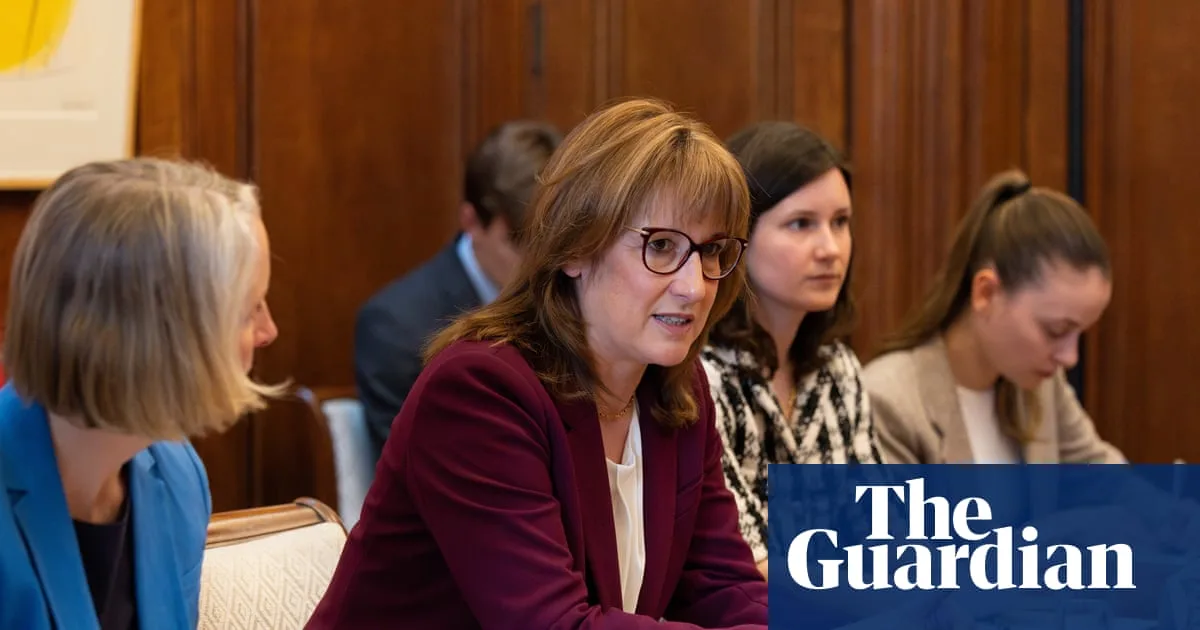
In response to the escalating crisis, Chancellor Rachel Reeves convened an urgent meeting with the chief executives of major supermarket chains, including Tesco, Sainsbury's, Morrisons, Marks & Spencer, Aldi, and Lidl. The discussions, held at 11 Downing Street on Wednesday, focused on strategies to mitigate the impact of soaring cost inflation on consumer prices at the checkout.

Simultaneously, global financial markets experienced a notable rally, buoyed by remarks from former US President Donald Trump, who suggested the conflict could conclude within "two to three weeks." The FTSE 100 index surged by 1.8%, marking its most significant one-day gain in nearly a year, while oil prices fluctuated, briefly dipping to $98.35 a barrel before stabilising around $102.

Wide Pickt banner — collaborative shopping lists app for Telegram, phone mockup with grocery list

Unprecedented Cost Pressures Threaten Food Supply Chains

Dr Liliana Danila, chief economist at the FDF, highlighted the severe pressures facing the industry, citing substantial increases in energy, transport, and packaging expenses, alongside widespread disruptions across supply networks. "The current situation is unprecedented and hard to predict," she stated. "Given the scale and speed of these cost increases, and despite companies' best efforts not to pass price increases on, it's clear that food inflation is going to rise in the months ahead."

The FDF's revised forecast of 9% inflation assumes that the Strait of Hormuz, a critical shipping channel, will reopen to cargo traffic within the next two to three weeks, and that major energy facilities, such as oil, gas, and fertiliser sites, will resume normal operations within a year. However, even under these optimistic conditions, the outlook remains grim for consumers and businesses alike.

Supermarkets Urge Government Intervention on Energy Bills

During the meeting with Chancellor Reeves and Environment Secretary Emma Reynolds, retail leaders reportedly called for immediate government action to alleviate cost pressures. Key requests included assistance with energy bills, delays on new regulatory fees, and adjustments related to packaging, unhealthy food regulations, and employment rights.

A government spokesperson described the discussions as "positive," noting that both businesses and ministers had "agreed to work together to explore what more can be done to ease the cost of living for consumers and strengthen supply chains." One attendee characterised the meeting as "very constructive," emphasising the government's willingness to address energy bill concerns, which permeate the entire supply chain.

Farmers Warn of Fresh Produce Shortages Without Support

UK farmers and producers have raised alarms about potential shortages of domestic tomatoes, cucumbers, peppers, and aubergines if government aid is not forthcoming to offset surging energy costs. Representatives from the British Tomato Growers' Association (BTGA) cautioned that without ministerial or retailer support, many fresh produce businesses could face bankruptcy later this year as higher expenses take their toll.

Simon Conway, chair of the BTGA, explained, "Growers historically only make money in the last few weeks of the season, as margins are so tiny in this sector. No one can absorb these kind of cost shocks, they have to be worked through with retailers." He added that the cumulative effect of rising costs, including packaging and fuel, has not yet fully impacted consumers but is expected to manifest by the end of summer, reminiscent of the shelf shortages witnessed in early 2023.

Pickt after-article banner — collaborative shopping lists app with family illustration

Energy Bill Crisis Looms for Households and Businesses

Many food producers, who typically secure energy contracts from April, are bracing for sharp cost increases due to higher standing charges on gas and electricity networks. The BTGA and other industry groups are campaigning for classification as "energy intensive users," which would provide relief on bills. Conway warned that without such support, "businesses will fail."

Meanwhile, household energy bills are projected to decline until July before rising again, increasing pressure on the government to extend support measures. In a BBC interview, Chancellor Reeves indicated that the government is exploring ways to assist households based on income levels but refrained from committing to cuts in fuel duty or VAT on petrol, citing concerns about inadvertently fuelling inflation, interest rates, and taxes.