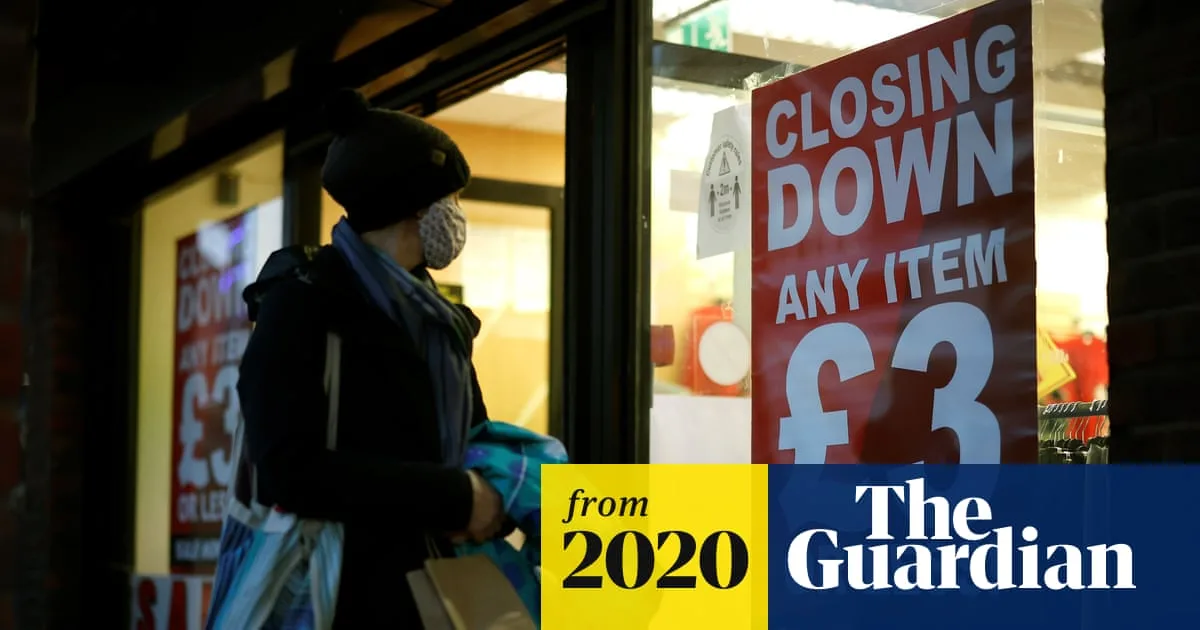
The UK faces the most savage jobs bloodbath since the Covid-19 pandemic, with 163,000 roles set to be axed this year, according to forecasters. A bleak report suggests employment will fall by 0.4 per cent as the economy 'tiptoes close to recession' because of surging costs caused by the Iran war.
Regional Impact and Heartland Devastation
Economic forecasting group the ITEM Club also fears the poorest parts of the UK will bear the brunt of the pain. Separate surveys show the jobs picture already darkening, leading to calls for Labour to hold back new workers' rights measures that will pile even more pressure on firms. The ITEM Club predicted 25,000 jobs will go in London, 12,500 in Birmingham, 9,800 in Leeds, and 6,200 in Glasgow, plus 5,700 in South Wales and 2,800 in the Humber region. This points to further devastation for Labour heartlands, where voters showed their fury at the party's running of the economy in last week's local elections.
Economic Drivers: Inflation and Oil Prices
Jobs are being hit because Britain is facing rising inflation and slowing growth after the Iran conflict choked off oil and gas supplies from the Middle East. Oil prices have soared above $100 a barrel, leading to surging fuel costs for motorists and hauliers. More than 160,000 jobs are set to be axed this year after a bleak report suggested employment will fall by 0.4 per cent as the economy 'tiptoes close to recession'. It is also expected to result in higher energy bills as well as an increase in food prices.
That will add up to intense pressure on businesses most sensitive to energy costs and consumer demand, the ITEM Club forecast suggests. It points to manufacturing, construction, wholesale, and retail sectors all coming under pressure, along with hotels and restaurants. However, public sector workers are expected to be cushioned from the blow as jobs rise.
Expert Analysis: Regional Disparities
Tim Lyne, an adviser to the ITEM Club, said 'some of the lowest income regions will feel the biggest effects' of job losses in manufacturing and construction. 'Consumers in these areas typically have less rainy-day savings, which will reduce spending in retail and hospitality,' he added. The report noted that lower income areas spend a larger proportion of their incomes on essential goods such as energy and food, which are seeing the sharpest price rises. 'Higher energy and fuel prices will only widen the gap in living standards between UK cities,' warned Mr Lyne. 'More money goes on the essentials and when they go up in price significantly, it is cities such as Newcastle, Birmingham and Belfast that feel the biggest impact.'
Additional Surveys and Business Concerns
A report from accountants KPMG and industry body the Recruitment and Employment Confederation showed an accelerating decline in permanent hiring last month. The survey pointed to the impact of 'greater uncertainty' due to the Iran war and rising cost pressures. It all adds to the pain for employers who have seen the cost of hiring surge thanks to Labour's tax and minimum wage rises, plus the imposition of new workers' rights. These include a 'guaranteed hours' rule, due to come into force next year, designed to give those on zero or low-hour contracts more security but which business groups say will lead to fewer jobs.
Recruitment and Employment Confederation boss Neil Carberry said: 'Government can do more to help firms feel able to commit to permanent hiring... Taking the threat of badly designed guaranteed hours rules off the table would make a huge difference.' Separately, an employment index by accountants BDO – combining measures of hiring intentions and job numbers – fell to a 15-year low.