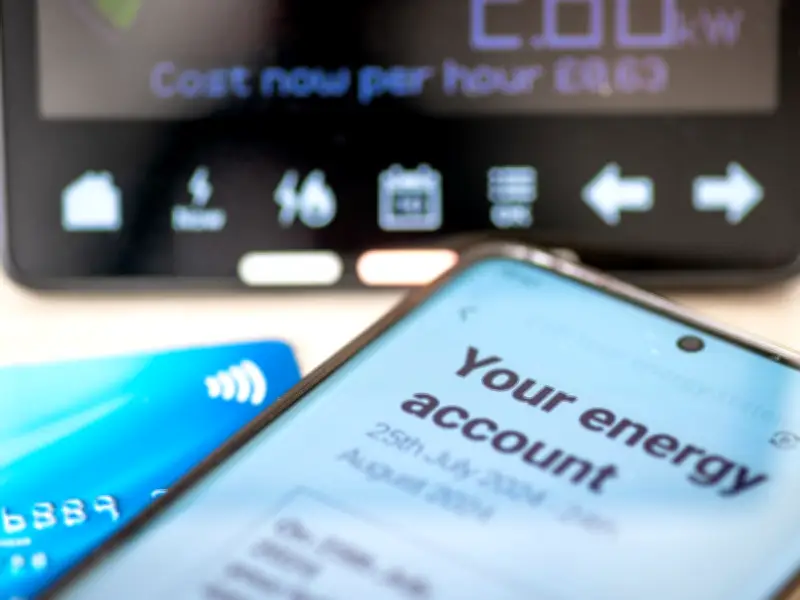
British households are bracing for another winter of financial strain as energy bills are set to remain at near-record highs, despite a recent ceasefire in the Middle East. The warning comes just 24 hours before a massive 13% Ofgem price cap hike takes effect on Wednesday, 1 July, instantly adding an average of £221 a year to household bills.
Ofgem Price Cap Hike and Autumn Shockwave
Data from energy analysts Cornwall Insight indicates that while the upcoming October price cap may see a nominal drop of 0.5%, the average annual bill will stubbornly hover around £1,849. Ofgem is lowering its official "typical use" metric to £1,654 this July to reflect reduced national consumption, but analysts emphasize that on a like-for-like basis, consumers will see virtually no financial relief.
While the immediate impact of tomorrow's price hike will be temporarily masked by warmer summer weather, experts warn the real financial shockwave will hit in autumn when millions turn their heating back on.
Middle East Ceasefire: A Temporary Band-Aid
Energy markets have stabilized slightly following a 60-day US-Iran ceasefire, which temporarily reopened vital shipping lanes. However, experts warn the truce is a band-aid, not a cure. Ongoing disputes over the crucial Strait of Hormuz—a transit point for 20% of the world's petroleum and liquid natural gas—and extensive damage to regional infrastructure mean global supply chains remain incredibly fragile.
"The Iran ceasefire gave the markets some breathing room, but this is a pause, not a resolution to the conflict," said Dr. Craig Lowrey, Principal Consultant at Cornwall Insight. "Even in a best-case scenario, infrastructure takes time to repair. Households will be left dealing with the consequences for some time."
Government Pressure and Rising Energy Debt
The crisis lands on the desk of a shifting British government. Following the resignation of Sir Keir Starmer, the incoming Prime Minister, who is likely to be Andy Burnham, and the Chancellor face immediate pressure to intervene. Critics argue the government remains trapped in a "perpetual cycle of short-term fixes" rather than introducing permanent relief, such as social tariffs or removing VAT from energy bills.
The urgency is underscored by alarming new data revealing the depth of the domestic crisis. The total energy debt owed by UK households as of March is estimated to be a whopping £4.79 billion, marking a 15% increase on the year-on-year surge in consumer energy debt.
Ofgem's price cap will lift by 13% or £18 a month from July 1 to £1,862 a year for the average household using both electricity and gas. The regulator is scheduled to officially announce the October to December price cap on August 26, leaving the government a narrow window to draw up emergency winter support packages for vulnerable families.