Treasury officials have briefed the Prime Minister that the UK economy will barely grow next year if disruption to the Strait of Hormuz linked to the Iran war continues until the end of 2026. Internal modelling suggests UK GDP could grow as slowly as 0.3% in 2027, according to Government sources.
Growth projections and inflation risks
Officials have said they routinely plan for all possible scenarios, with this growth projection linked to a more extreme situation. On Wednesday, modelling shown to the Prime Minister and Chancellor John Healey said the UK economy could grow by 0.9% this year if there is no permanent peace deal between US-Israeli forces and Iran. This would miss the 1.1% prediction from the Office for Budget Responsibility (OBR) earlier this year.
The OBR had also predicted 1.6% GDP growth in 2027. The more extreme scenario indicated that Consumer Price Index (CPI) inflation could peak at 4.3% in the first quarter of next year, with disruption in the Strait of Hormuz likely to keep oil and gas prices elevated.
Recent economic slowdown
Economic growth in the UK slowed between April and June, as the fallout from Donald Trump’s war on Iran put a strain on global finances. The UK economy grew by 0.4% between April and June, according to the Office for National Statistics. The newly released figure, in line with economists' expectations, is below the 0.6% growth for the first three months of this year.
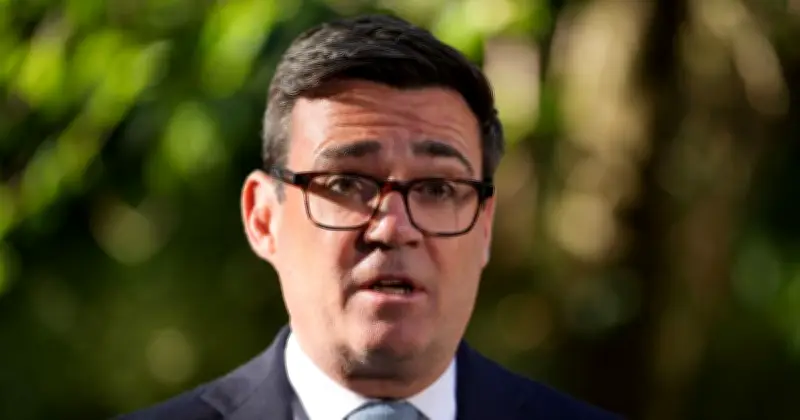
Shadow Chancellor Sir Mel Stride MP said: "Our economy is struggling because Labour have no plan for growth. Labour have mismanaged the economy with their tax and borrowing spree, leaving it weak and vulnerable to the effects of shocks like the Iran War. Yet Andy Burnham is gearing up to tax and borrow even more, doubling down on those failures. Labour needs to realise that it’s their poor decisions which have stifled growth and made the cost of living worse."
Government response
In response, Mr Healey said: "I know people are worried about the impact of the conflict in the Middle East on their cost of living, which has been too high for too long, and it has added pressure on British businesses. This is an active, hands-on Government, putting British interests first – giving breathing space to those feeling the strain, making our country more resilient and bringing hope back. We’ve seen the fastest growth in the G7 this year, but we now need to double down and drive growth in every postcode."